EXCLUSIVE
Chemical supplier Edward Khalily makes ‘landmark’ gift to Sheba hospital for pediatric oncology
The eight-figure gift will go toward a new $150 million building that is meant to upgrade, expand cancer care for kids
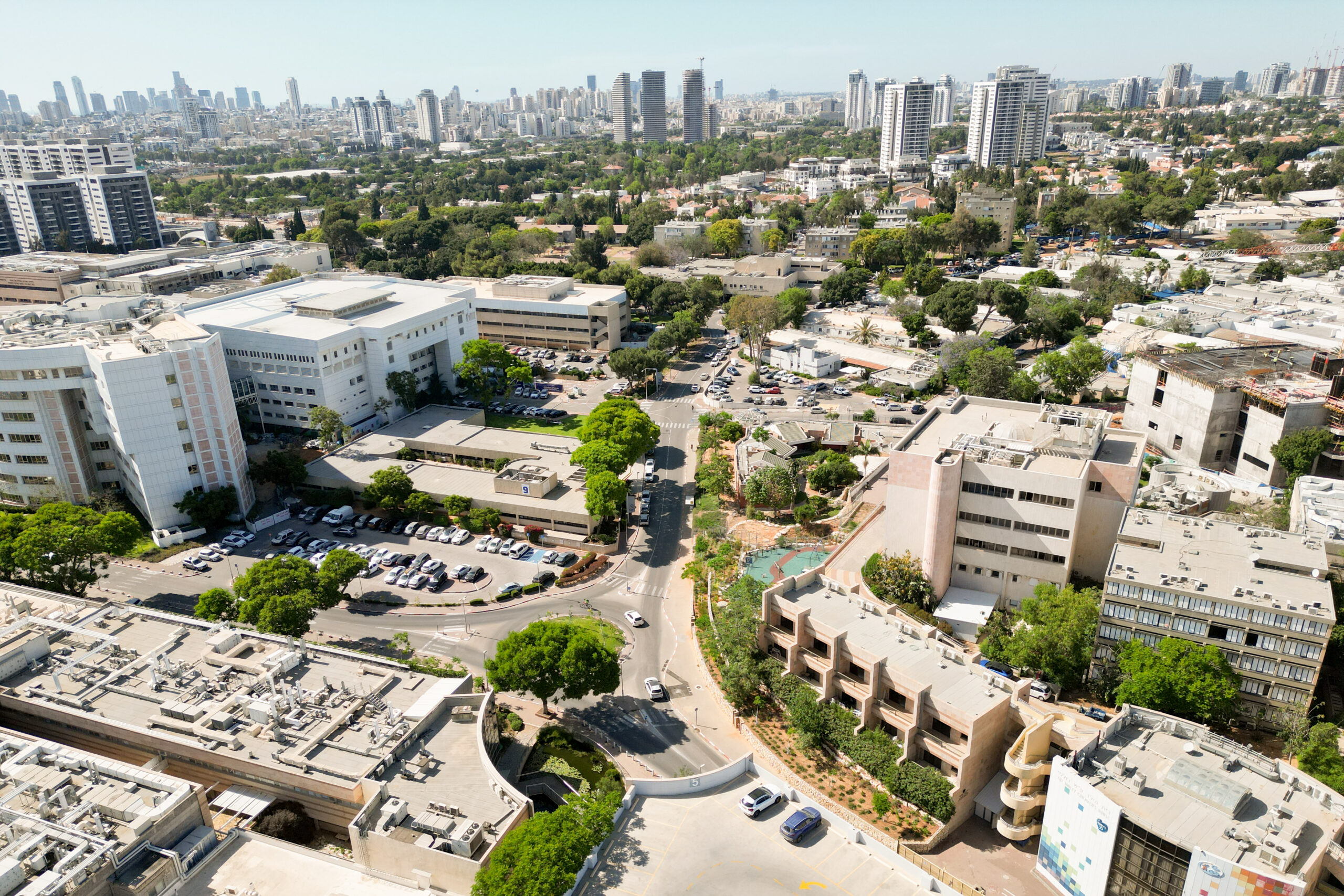
Omer Fichman/FLASH90
Aerial view of Sheba Medical Center, outside of Tel Aviv, on May 31, 2023.


 Add EJP on Google
Edward Khalily, chair of the Great Neck, N.Y.-based Wego Chemical & Mineral Corp., is making a “landmark” eight-figure donation to Sheba Medical Center outside Tel Aviv to create an eponymous pediatric oncology building that is meant to both improve and expand cancer care for children at Israel’s largest hospital, American Friends of Sheba Medical Center exclusively told eJewishPhilanthropy on Friday.
The pediatric oncology building, which is part of the Edmond and Lily Safra Children’s Hospital, is expected to be completed in five to seven years and is estimated to cost $150 million in total, with Khalily providing a significant portion of that. AFSMC declined to provide the full amount, in part because the precise sum is still being determined, but said that it represents the largest-ever gift facilitated through the U.S.-based fundraising organization.
“Since [the Oct. 7 terror attacks], I have thought a great deal about what it means to stand with Israel in a lasting way. For me, that means helping build institutions that will serve generations to come,” Khalily told eJP in an email. “Sheba represents the very best of Israel, bringing together world-class medicine, innovation and an extraordinary commitment to patients and their families. If this gift accomplishes anything, I hope it strengthens an institution that will continue saving lives and advancing medical care for decades.”
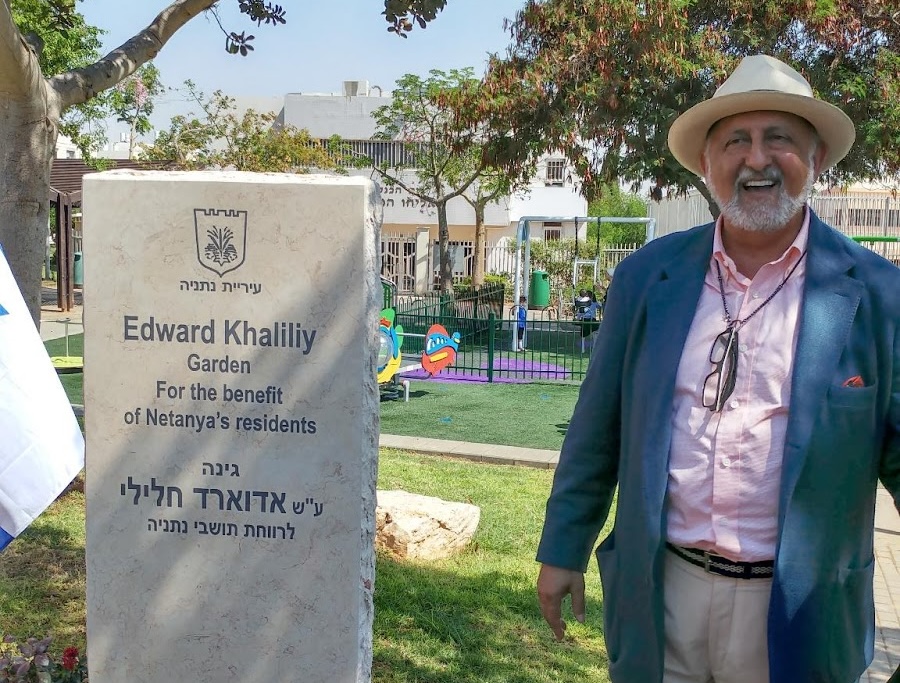
This represents Khalily’s first donation to Sheba, sometimes referred to as Tel HaShomer, though he has long supported initiatives in Israel, including a school in Netanya that is named for his granddaughter and a program for foster children.
Khalily’s donation joins a number of major gifts to Israeli hospitals over the past year, including a $200 million donation by Jan Koum to Jerusalem’s Shaare Zedek Medical Center and $68.5 million by the Jusidman Family Foundation for a rehabilitation hospital in Tel Aviv.
“This is a really significant gift, that’s going to allow us to build a whole new building in the Edmond and Lily Safra Children’s Hospital. That’s going to significantly increase our capacity to treat kids,” Dr. Itai Pessach, director of the Edmond and Lily Safra Children’s Hospital and associate director-general of Sheba, told eJP this week.
“Sheba Medical Center is one of the leading medical centers in the world. It is rated No. 7 by Newsweek for several years in a row — and was [just] named the No. 6 ‘smartest’ hospital in the world. So the combination of all of that, together with a very generous contribution by Mr. Khalily, is going to allow us to build the most advanced pediatric cancer hospital, I would say, in the world. That still remains to be proven, but this is what we’re aiming for,” Pessach said.
Pessach said the new building will include a number of wards: a new pediatric emergency department, a pediatric imaging division, hematology, inpatient services, a bone marrow transplant unit, outpatient oncology services and a “whole pediatric oncology surgery floor.” He noted that this is “just the first phase” in the construction of the building.
“Its full capacity can reach 18 floors. We’re not building the whole 18 floors right now. We’re just building the first four, but it’s planned to be expandable,” he said.
Some of this will replace and upgrade existing wards, Pessach said, and some will expand services. “Once the whole [first phase] is set, it’s going to double our capacity,” he said, adding that this may be an underestimate as the adoption of new technologies may allow the hospital to treat even more patients.
“It’s not just building another building. It’s really transforming the way we provide care to children with cancer and to children in general and their families,” Pessach said. “That’s the real impact that this project is going to have.”
The children’s hospital director said that, alongside the expansion of physical infrastructure, the hospital is also expanding its staff, recruiting more doctors, nurses and technicians and training existing personnel. While Israel, in general, is suffering from a physician shortage, Pessach said that this has not been an issue for Sheba. He noted that many of the staff members for the pediatric oncology department are new immigrants from the United States or returning Israeli expats, whom he said come to Sheba because the department is highly regarded internationally.
“It draws a lot of attention and a lot of clinicians, not just physicians, who want to come and work with us. So we have people that came from all across the U.S., from John Hopkins, from CHOP [Children’s Hospital of Philadelphia], from Cedars-Sinai — and those are just the ones who have joined in the past year and a half,” he said.
New relationship
According to Karen Berman, CEO of AFSMC, Khalily was directed to Sheba after expressing interest in supporting a medical project to a philanthropic advisor. That advisor was a former senior-ranking officer in the military and thus knew Sheba’s executive director, Dr. Yitshak Kreiss, who previously served as the Israel Defense Forces’ chief medical officer.
“So he came to Sheba for the first time, I think it was November of last year, and he has a particular interest in supporting children and also in oncology,” Berman said.
Khalily, 80, met with both Kreiss and Pessach, who spoke with him about the planned oncology tower, Berman said.
“It’s kind of a remarkable story, going from zero to [a gift like this] in less than a year,” she said. “We’re incredibly grateful.”
Berman, who joined AFSMC last June, said that the hospital is working to expand its donor base outside of Israel, stressing its high rankings on international lists and its impact in Israel.
“People didn’t really know, until recently, the story of Sheba and how… it’s one of Israel’s most important institutions. I know I’m biased, but we have 2 million patients a year, most of whom are Israeli, and so that means we’re touching about 25% of Israeli families in one way or another,” Berman said.
“We’re really just starting our partnerships and philanthropic journey outside of Israel,” Berman said.
The new donation from Khalily is also helping with that, she added. “It’s definitely putting Sheba on the map as a place that’s worthy of a significant, eight-figure donation.”
Related News
PRESIDENTIAL REBUKE
Israel’s Herzog: Mamdani ‘makes no effort’ to hide disdain for Israel, Jews must fight back
EXCLUSIVE
Detroit-based philanthropists Nancy, James Grosfeld donate $8M to renovate JDC’s Israel campus

MAGICAL EXPERIENCE
Shefa launches psychedelics retreat for Jewish professionals suffering burnout
HIGHER EDUCATION
As Jewish donors reconsider academia, Jan Koum doubles down, endowing Israel studies at Stanford
ADVANCING A VISION
N.Y. federation donates $1M toward building shared-society center named for peace activist killed on 10/7