Opinion
METRICS ON MY MIND
The most important Jewish learning isn’t always on the schedule


 Add EJP on Google
In Short
What would it look like to design programs with relational outcomes in mind alongside operational ones?
Every summer, I watch thousands of young people experience Jewish life at camp. They come for swimming, sports, music and friendships, but the moments that stay with them aren’t usually the ones on the daily calendar. They are conversation after the lights are out; the counselor who notices a camper who needs a high five; the older camper who helps someone feel like they belong; the spontaneous singing around a campfire after the program has ended. Those are the moments people remember — and those are the moments that shape Jewish identity.
Of course, the formally scheduled experiences matter as well. We put tremendous thought into Shabbat, learning and every activity we offer. Strong programming is essential, but programming alone doesn’t changes lives. Relationships do.
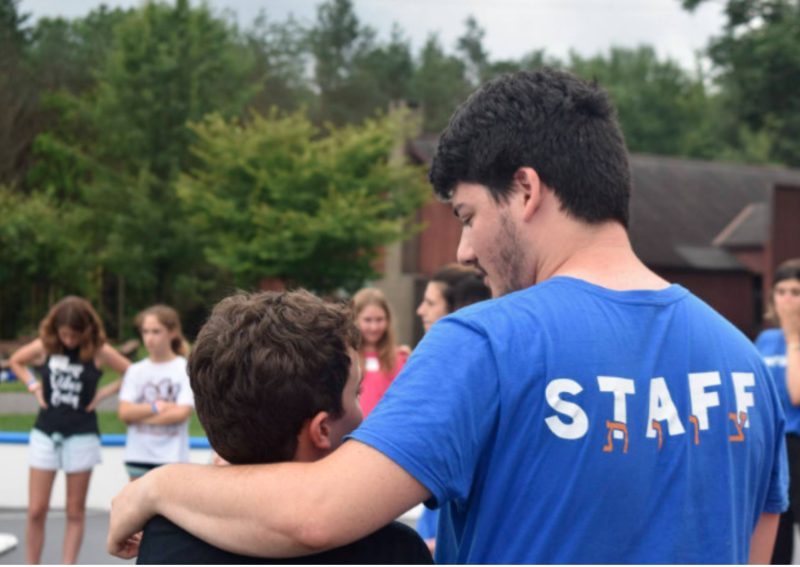
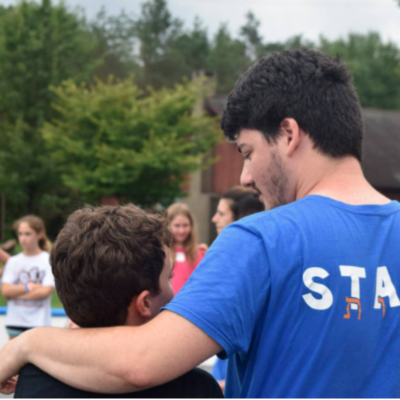
Courtesy/Union for Reform Judaism
A staff member embraces a camper at URJ Camp Newman in Santa Rosa, Calif.
That should change how Jewish organizations design programs, define success and follow up after an experience ends.
Too often in Jewish communal life, we measure success by what we can count: attendance, registrations, programs offered or sessions delivered. Those metrics tell us something about our reach, but they don’t tell us whether someone found a mentor, discovered a sense of belonging, built meaningful friendships or felt empowered to take ownership of their Jewish life.
Relationships shouldn’t be viewed as a happy byproduct of great programming, but as one of their primary goals. What would it look like to design programs with relational outcomes in mind alongside operational ones? It might mean creating intentional opportunities for participants to build connections with peers and trusted adults. It might mean leaving room for conversations that don’t have an agenda or giving young people real responsibility rather than planning every detail for them. It might mean designing experiences that encourage people to contribute, lead and create alongside us rather than simply attend.
Camp makes visible something that is true across Jewish life: Relationships are often the vehicle through which Jewish identity takes root. Living together means sharing meals, solving problems, celebrating Shabbat, navigating disagreements and laughing together. Jewish life isn’t confined to a classroom or a program block; it’s woven into everyday moments.
This lesson extends far beyond camp. Congregations, youth groups, retreats, Israel trips, service-learning programs and adult communities can all cultivate this same kind of connection. The question shouldn’t just be “What program should we offer next?” but also “How are we creating the conditions for relationships to grow?”
And that work shouldn’t end when the program does.
A closing ritual or thank-you can mark the end of an experience, but it should not necessarily mark the end of the relationship. Participants should leave knowing what comes next: another gathering, a mentor, a leadership role, a congregation, a fellowship or a way to return and help lead. When those pathways are visible, we send an important message: We do not just want you to participate. We want you to help build what comes next.
If relationships are truly a goal, we also need to get better at measuring them. We already ask how many people attended and whether they enjoyed the experience. We should also ask whether participants formed meaningful peer relationships, identified trusted adults, felt a stronger sense of belonging, developed a sense of ownership, expressed interest in leadership, returned for another experience, brought someone else with them or took a next step in Jewish life.
These outcomes are harder to measure than attendance, but that doesn’t mean we shouldn’t try it. We count who shows up; we should also do our best to count what happens because they showed up.
This matters especially as we think about engaging the next generation. Young Jews today are navigating complicated questions about identity, belonging, Israel, antisemitism and what it means to build a meaningful Jewish life. They need more than good programs. They need environments where they are known, trusted, connected and invited to take responsibility.
I’ve seen what happens when we get this right. Campers return year after year and grow into counselors. Teens become leaders in their congregations and on college campuses. Young adults who once wondered whether they belonged in Jewish life come back years later with children of their own because they want them to experience the same sense of community they found.
No one remembers every activity from those summers. I certainly don’t. What people remember is who welcomed them, listened to them, encouraged them to step outside their comfort zone,and made them feel seen. That’s the kind of Jewish learning that lasts.
The future of Jewish life will not be shaped only by the programs we create. It will be shaped by the relationships those programs make possible. As Jewish organizations think about engaging the next generation, we should continue investing in strong ideas and meaningful experiences, but we should be just as intentional about creating environments where relationships can take root and building pathways that help those relationships continue after the program ends.
When people feel that they truly belong, they do more than participate in Jewish life. They help build it.
Ruben Arquilevich is the vice president of URJ Camps and Immersives at the Union for Reform Judaism, where he oversees one of North America’s largest networks of Jewish camps and immersive experiences. A lifelong Jewish camp educator, Ruben previously served as director of URJ Camp Newman for 24 years and has dedicated his career to creating immersive Jewish experiences that foster belonging, leadership and lasting connections to Jewish community.