Enough Talk About the Leadership Crisis: A Call to Action… AGAIN




 Add EJP on Google
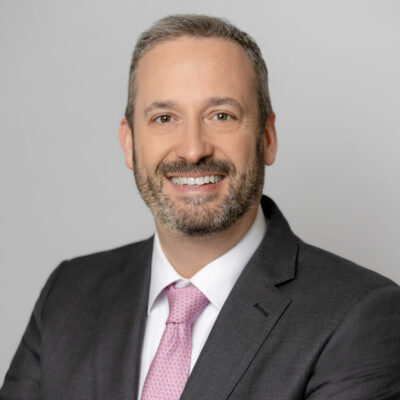
by David Edell
The Jewish Community has been talking about the leadership crisis for over a decade. In 2002 I wrote an article: ‘Professional Recruitment and Retention-A Call to Action’ in the Journal of Jewish Communal Service (fall 2002.) In the conclusion, I refer to the conclusions of the 1987 CJF Commission on Professional Personnel report, and both sets of conclusions are unfortunately as true today as they were when they were written:
We must recognize that this is a crisis that will affect the community’s ability to realize its potential and its dreams. It is a system-wide crisis and not just a problem unique to one field of service or community. It is a crisis that will not be resolved without significant volunteer leadership awareness and education about the implications. It a crisis that will not be resolved without a group of volunteer leadership advocates, who are prepared to present the challenges at leadership tables where priories are set and the funds allocated. It is a crisis that requires leadership at the top of each organization, with executives establishing standards, performance and expectations that support and encourage professional growth. It is a crisis that requires a commitment of funds. It is a crisis that requires a leader, a plan of action and a sustained effort. Thus far, there has not been a leadership or community willing to address the issues.
For more than 20 years, we have been having a dialogue about the crisis. Now is the time to begin to seriously address the challenges we face by taking action. Here are eight action-based ideas, which I hope will begin a dialogue about how we can address the various challenges in a meaningful and strategic way, rather than just perpetuating the same conversation. As a jumping off point, I suggest the following ideas which focus on executive leadership development exclusively, but if implemented properly can have significant trickle-down effect to all levels of professional development.
- Make it a contract obligation for CEO’s to participate in an executive education program (nonprofit management or business leadership) every three years and a requirement for extending their contract. The time and funds will be provided by the organization.
- Organizations are expected to provide executive coaching for a new CEO during their first two years in the position as an investment in their new Executive’s success and professional growth.
- Develop a standard where the CEO’s performance evaluation includes how they have built professional development, mentoring and succession planning into the professional culture of their organization.
- Develop a standard where every senior executive in a Jewish communal organization is required to mentor an ‘up and coming’ or younger staff member.
- National organizations and others should develop the resources to teach lay leadership about succession planning and when appropriate, help them discuss this subject in a way that does not threaten the current executive’s tenure.
- CEO’s must create staffing patterns for potential senior executives in their organizations or rotate them through departments every few years. Future CEO’s need experience working directly with board committees and funders on substantive strategic and policy issues, as well as opportunities to develop skills in program, fundraising and administration. Too often, senior executives do not have experiences working with board members or involvement with executive level policy and program development processes that will help them prepare for future leadership.
- We must create a program for career changers who are interested in pursuing executive positions within the Jewish community that provides them with a credential that organizations require them to complete either before or during their first year of employment. National organizations and funders should partner with a prestigious university to develop a program in nonprofit management, fundraising and Jewish community studies that will help prepare career changers for leadership in a new environment. By requiring this credential, we would indicate that while we are eager to benefit from a professional’s experiences in others sectors, we believe that they should take the time to learn and think about how to utilize those skills with the challenges of leading Jewish community nonprofit organizations with volunteer boards of directors.
- We need to build a group of leader and funder champions for the cause of addressing the leadership crisis and building local and national executive development programs for the Jewish community. Preparing our community’s pool of executive leadership merits the same kind of advocacy as those who created the organizations and movements for enhancing Israel experiences, camping, day schools and service learning.
We are already experiencing a significant turnover of CEOs in JCCs, Federations, JFSs, Day Schools and other national and local organizations. Without strong leadership on this issue from national organizations, professional organizations and funders as well as volunteer leaders and current executive directors who can model best practices within their agencies, organizations will not have the options that they desire or deserve in recruiting new professional leadership.
The challenges facing our community require the thinking and talents of new executives who have been groomed in different ways to lead. We need to stop discussing the crisis and start modeling actions and programs to address the crisis. Let’s use this forum to discuss our experiences in developing these programs.
David Edell is the President of DRG Executive Search which specializes in recruiting senior executives in the nonprofit sector. He is a leader in consulting with Jewish community organizations on executive transitions.