ON THE SCENE
With Manhattan gala, Dorot marks 50 years of bridging the generational gap
Originally founded on Manhattan’s Upper West Side, the organization has expanded its reach nationwide through volunteer visits, intergenerational programs and virtual gatherings

Nira Dayanim/eJewishphilanthropy
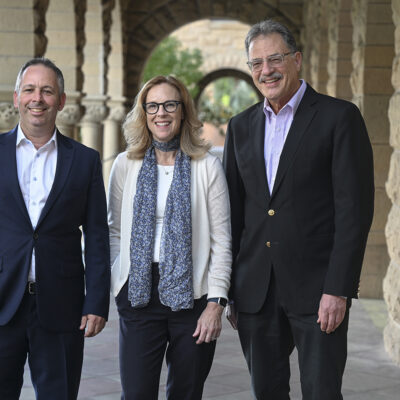
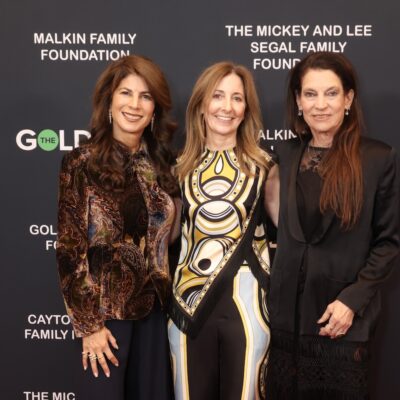
Dozens attend the 50th anniversary gala of the nonprofit Dorot in Manhattan's Natural History Museum on Nov. 10, 2026.


 Add EJP on Google
Vivian Conan, 84, could tell from the voicemail that her new tech coach was young. “I’m available, like, Tuesday,” Conan recalled the caller saying in a conversation with eJewishPhilanthropy.
A semi-retired librarian, Conan had signed up for tech support through Dorot, a Manhattan nonprofit serving older adults, with the goal of learning how to make videos on Instagram to promote her memoir.
Indeed, the voice on the other end belonged to Sydney Kitzmiller, 26, a volunteer in Dorot’s tech coaching program. Though the program asked for six to eight weekly sessions when they started, the two are still meeting a year and a half later. “I stopped tracking my visits very quickly,” Kitzmiller told eJP.
Their friendship was one of many intergenerational connections celebrated on Tuesday night beneath the American Museum of Natural History’s iconic blue whale, where nearly 600 people sat down to dine and mark Dorot’s 50th anniversary. Dorot, which began as a small effort by Columbia University graduates to visit isolated older neighbors, now engages roughly 8,000 older adults a year across 46 states, its executive director, Mark Meridy, told eJP, with more than 7,500 volunteers.
And while three decades ago the work was a sideline in the field of aging services, today, he said, particularly in the aftermath of the COVID-19 pandemic, it sits at the center of a public conversation about loneliness. “What nobody was focused on is the importance of being socially connected,” Meridy told eJP.
When he started the role, he said, people would tell him, “Oh, your program is nice, but is it really necessary?” The pandemic changed that perception, Meridy said, as “most of the world was isolated.”
The issue, and Dorot’s work, received further national attention in May 2023, when then-U.S. Surgeon General Vivek Murthy issued an advisory describing loneliness and social isolation as an epidemic. The advisory noted that roughly half of American adults reported experiencing loneliness, drawing attention to Dorot and organizations like it, he added.
Another unexpected byproduct of the pandemic, said Meridy, is that geography stopped mattering as much for those seeking to access their programs.
During the pandemic, Dorot, which had run small telephone discussion groups for about 35 years, quickly moved its sessions to Zoom. Dorot engaged roughly 3,000 to 4,000 older adults annually before the pandemic and nearly 8,000 last year, including expatriates in Scotland, Israel and France. The organization had planned to phase out the Zoom offerings, he said, until emails and letters arrived from participants who had built friendships online.
Today, Dorot pairs volunteers with older adults at home, by phone and on Zoom.
Those matches are made deliberately, said Meridy, with social workers connecting volunteers with older adults based on shared interests and asking them to commit to a year. “You can’t just bring older people and younger people together, and put them in a room, and think that you’re going to have a quality intergenerational program,” he said.
Although Dorot is a Jewish organization, Meridy said, it serves people of all backgrounds, viewing bringing people together as “the best way to combat” divisiveness and rising antisemitism.
One story, Meridy said, highlights the Jewish roots of the organization, which, 50 years since its inception, now serves aging populations across the country. Josh Targoff, a gala co-chair this year, came to Dorot looking for a bar mitzvah project for his son Zach, a serious chess player. Through their intergenerational chess program, Dorot matched Zach with Herman, a Holocaust survivor. Every week, they sat down at the board, developing a routine that lasted well into high school, said Meridy.
On the occasion of Zach’s bar mitzvah, Herman and his daughter presented him with a gift: the chess set Herman had brought to America when escaping the Nazis.
Related News
EXIT INTERVIEW
Elizabeth Sokolsky, longtime EVP of Birthright Israel, to retire next year

PRESIDENTIAL REBUKE
Israel’s Herzog: Mamdani ‘makes no effort’ to hide disdain for Israel, Jews must fight back
ADVANCING A VISION
N.Y. federation donates $1M toward building shared-society center named for peace activist killed on 10/7

EXCLUSIVE
Detroit-based philanthropists Nancy, James Grosfeld donate $8M to renovate JDC’s Israel campus

MAGICAL EXPERIENCE
Shefa launches psychedelics retreat for Jewish professionals suffering burnout