Opinion
RIGHT BACK AFTER THESE MESSAGES
The morning after the Super Bowl: The reality facing today’s Jewish teens




 Add EJP on Google
This year’s Super Bowl wasn’t just about football. It wasn’t just touchdowns and halftime shows. For millions of Americans tuning in to watch the biggest event on television, it was also a moment of exposure — however fleeting — to a truth most of us know far too well: antisemitism is not an abstraction. It is real. It is rising.
And antisemitic bullying, in school as well as online, is a reality in the lives of our children.
Etan Vann
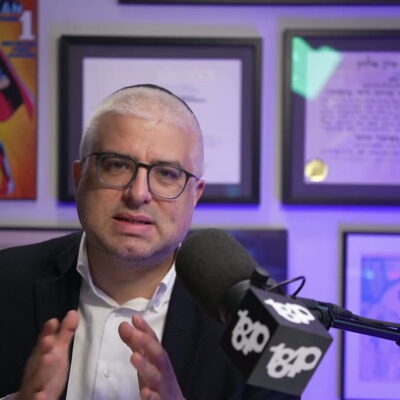
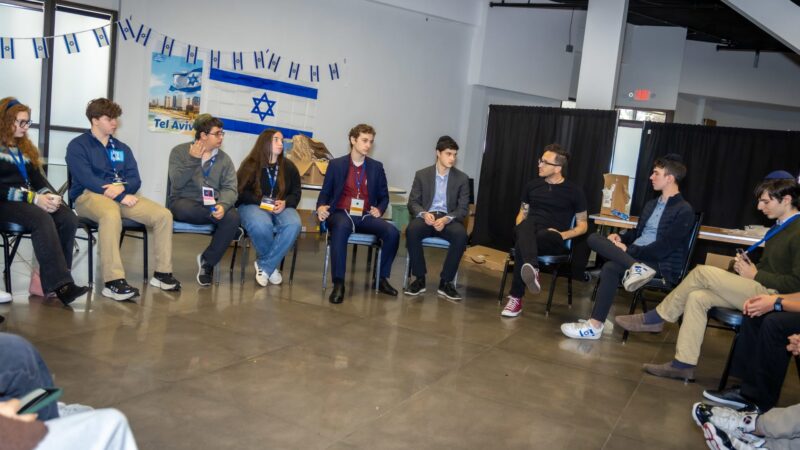
Shai Davidai (third from right) speaks to a group of teen leaders at the 2025 Jewish Student Union Presidents Conference.
In the closing moments of a powerful new commercial by billionaire philanthropist and Patriots owner Robert Kraft’s Blue Square Alliance Against Hate, a simple message appears on screens across the country: “Two in three Jewish teens have experienced antisemitism.” That statistic is jarring. It’s supposed to be. It was designed to shock viewers sitting at home, surrounded by friends and family, who would otherwise never think to stop and ask: What is it like to walk through a school hallway as a Jewish student today?
But here’s the hard truth that no 30-second Super Bowl ad can show you:
That number, two in three, doesn’t tell the whole story.
It doesn’t show what happens after the sticky note, or the slur, or the whispered insult. It doesn’t show the long walks to lockers where swastikas are carved into metal. It doesn’t show the whispered debates over whether to wear a kippah or a Magen David necklace to school, lest they be teased — or worse.
But we see it. Every day.
Our Jewish Student Union advisors, who operate at more than 500 schools nationwide, are often the first adults Jewish students turn to after an incident. Sometimes it’s a slur whispered in class. Sometimes it’s a social media post that explodes overnight. Sometimes it’s a swastika drawn where everyone can see it. These moments don’t disappear when the news cycle moves on. They linger in the minds of kids who are still figuring out who they are.
Kraft’s ad shines a light on the problem. We are grateful for that, truly. Awareness matters. Visibility matters. But real change happens when that light carries into classrooms and clubs where students are given tools, language, confidence and community.
In JSU clubs, students don’t just process what’s happening to them — they grow. They learn how to stand tall as Jews. How to educate their peers. How to build alliances with friends who want to support them but don’t always know how. They discover that pride is not something you abandon under pressure, but something you strengthen together.
We see it when a student who felt invisible becomes a leader who speaks out. We see it when kids bring friends into the JSU room who would otherwise pass by without a second thought. We see it in the faces of students who walk in afraid but leave empowered – more knowledgeable about Jewish holidays, Jewish values and Israel. Moreover, we work to arm teens with the tools they need to work with administrators and faculty to ensure that the entire school environment can be a safe space for Jewish teens, not just the JSU club room.
And yes, we see it when a young person approaches us in the spring and says, “This year I wasn’t just Jewish — I was proud to be Jewish.”
This work happens quietly. It doesn’t come with airtime or celebrity endorsements. But it happens every day, and it’s growing because the need is growing.
Kraft’s ad — the third Super Bowl commercial in a row launched by his foundation to take on hatred — shines a light on a problem that many would rather ignore. It reminds the nation that hate still exists. That message matters.
But where that spotlight fades, where the applause stops and where the cameras turn away — that’s where the real work begins. That’s where we walk into hallways and classrooms in hundreds of schools across this country and say: Jewish students matter. Your story matters. Your safety matters.
For Jewish teens today, the threat of antisemitism is persistent and personal. Super Bowl commercials end in a flash, but the need for support, encouragement and allies continues.
Rabbi Micah Greenland is the international director of NCSY.