WHAT YOU SHOULD KNOW
KKL-JNF approves record NIS 859 million plan for northern Israel
Mila Aviv/Flash90
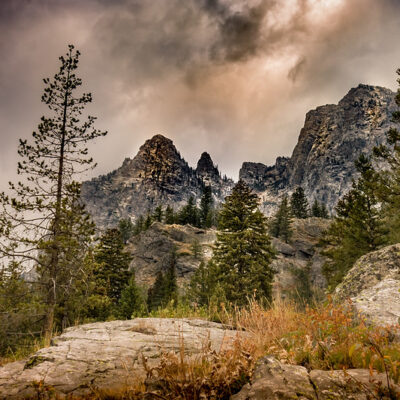
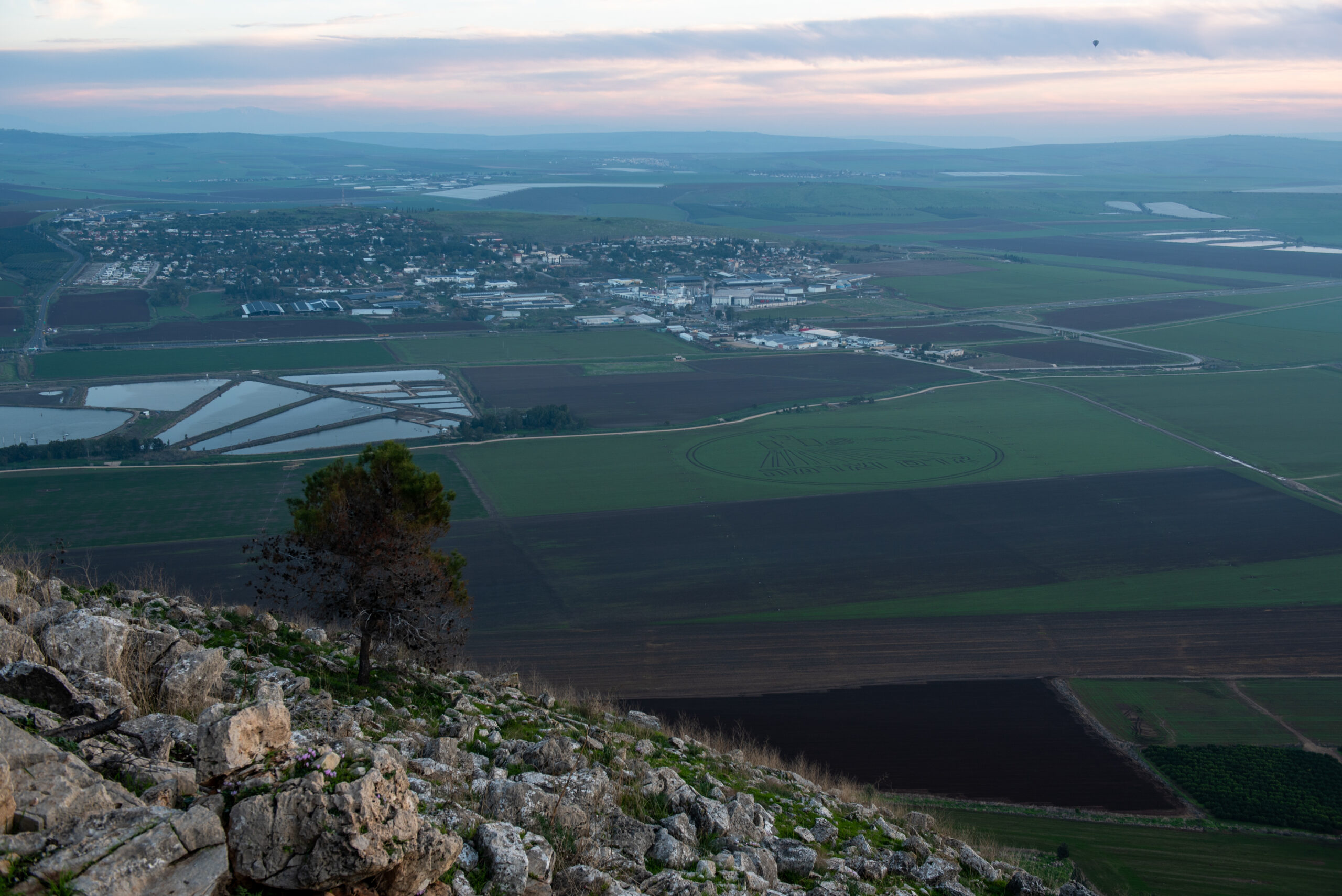
General view of Katef Shaul on Mount Gilboa in northern Israel on Jan. 7, 2022.




 Add EJP on Google
The board of Keren Kayemeth LeIsrael-Jewish National Fund approved a NIS 859 million ($286.3 million) investment plan for northern Israel, the largest outlay the fund has ever directed at the region, the organization announced yesterday.
The three-year package designates the North as a single arena — stretching from the valleys of northern Israel, through the Galilee and up to the Golan Heights — and pledges funding toward infrastructure, housing, education and culture throughout the region.
The scale of the plan reflects the unique place the KKL-JNF — one of the so-called “National Institutions” — occupies in the Israeli philanthropic and governmental ecosystem. KKL-JNF, which owns more than 10% of the land in Israel, was created and funded by donations from Diaspora Jews. Registered as a public-benefit corporation, the fund is governed by a 37-member board selected once every five years through a process that begins with the World Zionist Congress elections, drawing representatives from across Israel’s secular, religious, Haredi and liberal-pluralist streams. Eyal Ostrinsky, representing the Labor Party slate and the liberal bloc, took over the chairmanship in January for the first half of a five-year term.
With its semi-public, semi-private status, KKL-JNF has been at the center of a roiling debate in Israel in the wake of the Oct. 7 terror attacks and resulting nearly three years of war about the role of government and philanthropy in the reconstruction process.
With the government’s money and attention focused primarily on the war, residents of northern Israel have accused the state of failing to adequately fund recovery efforts, which are particularly critical after large swaths of the area were evacuated in the early months of the war and many residents opted not to return. There has also been criticism of the coalition’s discretionary spending on projects connected to its own voting blocs, such as Haredi education and settlement expansions.
Drawing on its large, land-funded budget, KKL-JNF has supplemented government allocations, becoming one of the central forces underwriting the North’s recovery.
The biggest line item in its current reconstruction budget, NIS 362 million ($120.7 million), goes directly to northern municipalities to fund infrastructure and public spaces projects. Another NIS 150 million ($50 million) is earmarked to purchase apartments to rent at reduced rates to teachers, in an effort to attract young families to the North and boost local schools. A separate NIS 100 million ($33.3 million) expands the apartment purchases in certain municipalities, with the mixed Arab-Jewish cities of Nof HaGalil, Karmiel and Acre singled out.
The plan seeds community growth, KKL-JNF said. Its “Community Builds the Homeland” program earmarks NIS 120 million ($40 million) for mission-driven groups settling the Galilee, with the goal of bringing 1,200 new residents to the region within three years. It also sets aside NIS 76 million ($25.3 million) for four new KKL-JNF “Houses of Excellence” in Nahariya, Afula, Karmiel and Tiberias, which are meant to provide socio-educational programming to boost at-risk populations. The investment plan also includes smaller allocations for 12 border communities that have so far gone without direct KKL-JNF support; this includes funding for the community of Shibolet, a new religious community in the Lower Galilee, and for a fire-protection system at Kibbutz Hanita.
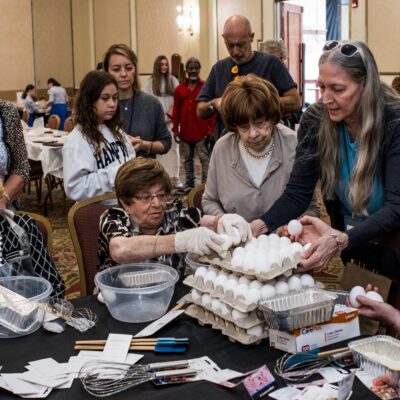
KKL-JNF framed the plan as an extension of its wartime and postwar work along the northern front. During the fighting, the fund said, it housed 20,000 residents in hotels, deployed some 270 bomb shelters and ran Passover Seders in bomb shelters in Kiryat Shmona and Shlomi, alongside NIS 500 million ($166.7 million) in earlier support for frontline communities.
“This is an unprecedented initiative in both its scale and geographic reach,” Ostrinsky said in a statement, calling the North the fund’s top priority for the organization in the years ahead.