WHAT YOU SHOULD KNOW
ICAR Collective looks to coordinate and foster Israel’s mental health field, straining since Oct. 7

LIRAN LEVINOVITZ
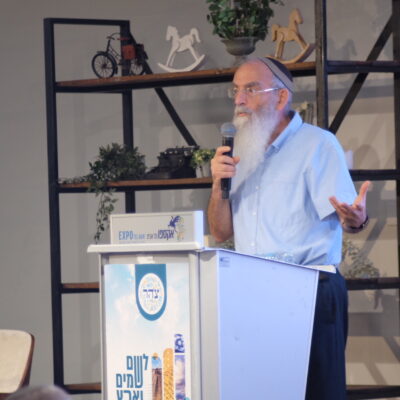
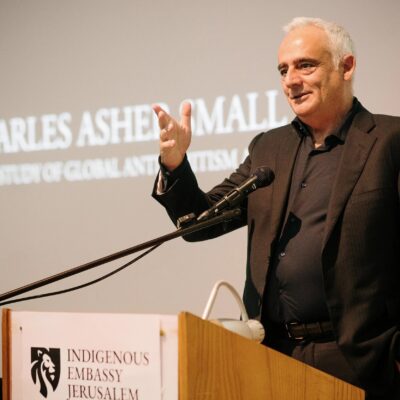
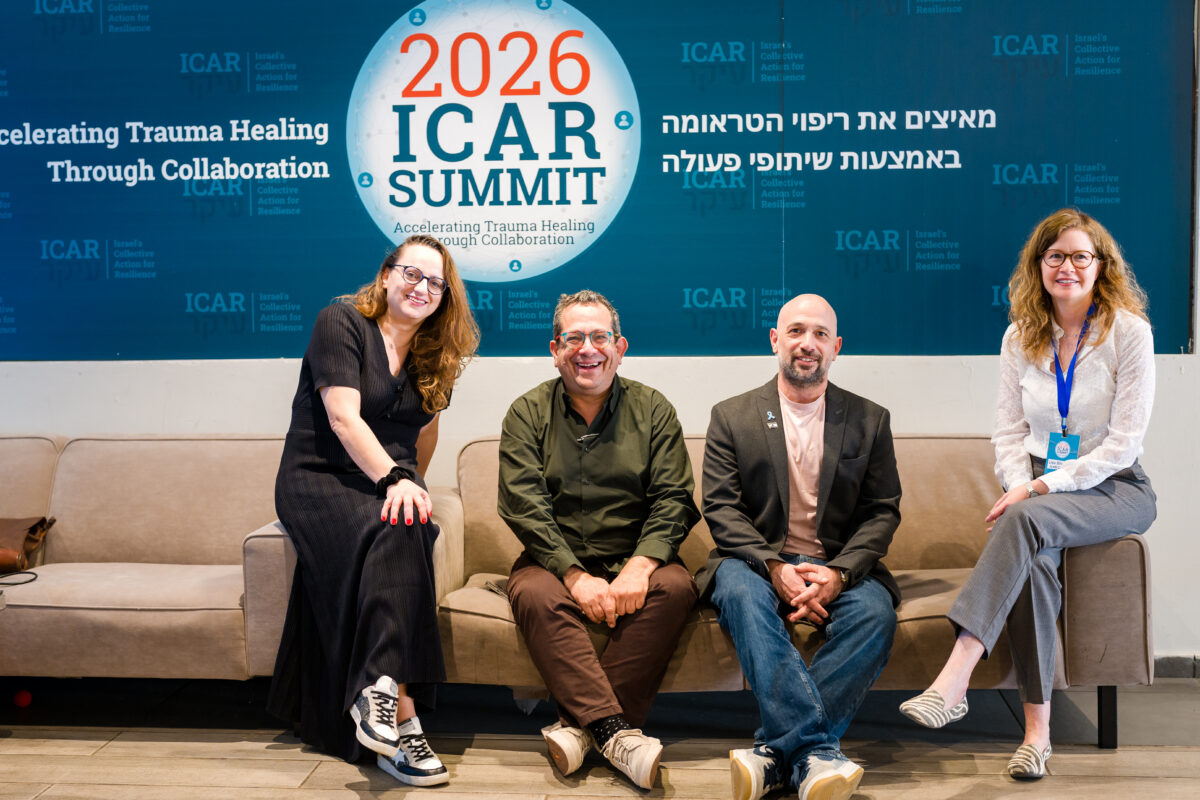
ICAR Collective holds its second-annual conference in Tel Aviv on Feb. 16, 2026.




 Add EJP on Google
TEL AVIV — For the past two years, Israeli mental health professionals have been warning of an impending “tsunami” of psychological disorders as a result of both the traumatic events of the Oct. 7 terror attacks and the more than two years of war and prolonged stress that followed.
To address this, the Israeli government has allocated additional resources for public psychological services; existing mental health organizations have expanded their offerings; and a vast array of new organizations have cropped up across the country.
ICAR was co-founded by Gila Tolub, a former McKinsey consultant focused on women’s health, in the months after the Oct. 7 attacks with the goal of understanding and mapping this ecosystem of state-funded and philanthropy-backed services and initiatives.
At the group’s conference this week at the Tel Aviv Expo Center, which was attended by representatives from a wide variety of organizations, for-profit companies and philanthropic foundations, ICAR sought to make sense of and advance the mental health field as it navigates this growing mental health crisis.
In a philanthropy roundtable discussion at the conference, donors and representatives of foundations expressed frustration at the lack of clarity in the field, not knowing what is already out there and functioning — and what’s falling through the cracks. They also raised concerns about how the organizations that sprang up post-Oct. 7 are maturing. Many of the groups were launched by family members of those killed in the attacks or in the war or by other well-meaning people, who may have a great concept but do not have the experience and training needed to build a sustainable organization. (In total, more than 50 philanthropists attended this week’s conference, according to Tolub, which shows that this is still an area of interest for many grantmakers.)
Speaking to eJewishPhilanthropy after the conference, Tolub said that ICAR, whose name is both an acronym standing for “Israel’s Collective Action for Resilience” and the Hebrew word for “substance” or “main thing,” is still trying to serve its function as an umbrella organization, examining the entire mental health field, encouraging collaboration, encouraging best practices, connecting funders with nonprofits and more. Tolub said the organization sees itself filling a role that it believes that the Israeli government should ultimately be responsible for.
One of the main issues that ICAR has identified is this multiplicity of organizations and initiatives that have emerged over the past two years, along with a larger number of people needing help. Not all of those groups and programs are providing the same level of care and support, and people in need may not be able to find the best option for them given the sheer number of options available.
Funders similarly may not know which organizations to support. Add to that the fact that many patients require support from multiple places, some of them managed by the state and others by nonprofits, who do not always know how to communicate with one another. Ultimately, this ends with an ineffective, uncoordinated mishmash of treatments and programs — and a lot of people not getting the help that they and Israeli society need.
Tolub recalled one organization that brings Israeli veterans to the United States for therapy sessions, allowing them to unpack the traumatic events they experienced during their military service. However, the organization had no direct connections to therapists in Israel, meaning that once those veterans returned home — more vulnerable than ever — the organization couldn’t tell them where to turn for further assistance. Some of the participants, Tolub added, even decided to stay in the United States for an indefinite period of time after the program ended.
According to Lisa Silverman, ICAR’s co-founder and director of advancement, to address this, the field requires a state regulator to ensure a basic standard of care. That is not a role that ICAR can fill if it also wants organizations to be open and transparent, particularly new initiatives.
“We want to know that they exist, but they won’t turn to us to share information if we’re doing that regulation,” Silverman told eJP.
At the same time, Silverman noted that some parts of the mental health field have voluntarily created their own standards. For instance, one of the most common types of organizations that were launched post-Oct. 7 were so-called “therapeutic farms” (now known as “nature-based therapy providers”). After a roundtable discussion at ICAR’s conference, dozens of these organizations “decided to come together and create quality standards,” Silverman said.
Tolub said that ICAR also encourages organizations to track their progress, particularly if they want to eventually receive government funding or recognition from the country’s health care providers. ICAR also created a list of recommendations for would-be funders to ensure that the organizations that they are supporting are meeting basic standards.
“We don’t want to be a regulator, but we want to tell funders, ‘Here’s what you should be asking,’” Tolub said.
Both Tolub and Silverman recognized that ICAR’s goals are lofty, but said that while nonprofits can be competitive with one another for philanthropic and governmental funding, there is a growing recognition in the field that no one organization can address the country’s mental health needs. “[The organizations acknowledge] that we need a larger ecosystem and to work together,” Silverman said.
For instance, Tolub said that ICAR is encouraging these organizations to create a common intake form for patients, so that people seeking treatment do not need to fill out similar forms for multiple organizations.
On the funder side, Tolub said that the organization was looking to encourage foundations and grantmakers to adopt a common practice among venture capitalists of recommending applicants to other firms if they believe that they are a good candidate, even if not for their specific area of focus.
“We’ll never know if we don’t try it,” Tolub said.