HEALTHY RETURNS
Israel’s Clalit, Schneider children’s hospital launch $50M venture fund for pediatric health
The for-profit initiative is the latest effort to use private investments, including from donor-advised funds, to stimulate innovation in the country's medical field post-Oct. 7
courtesy
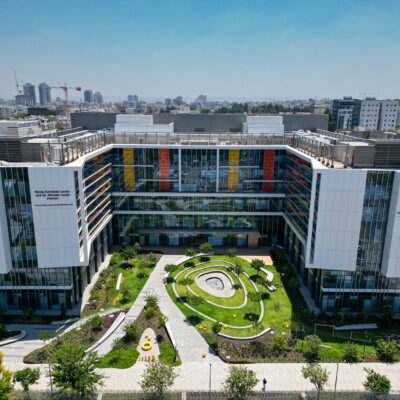
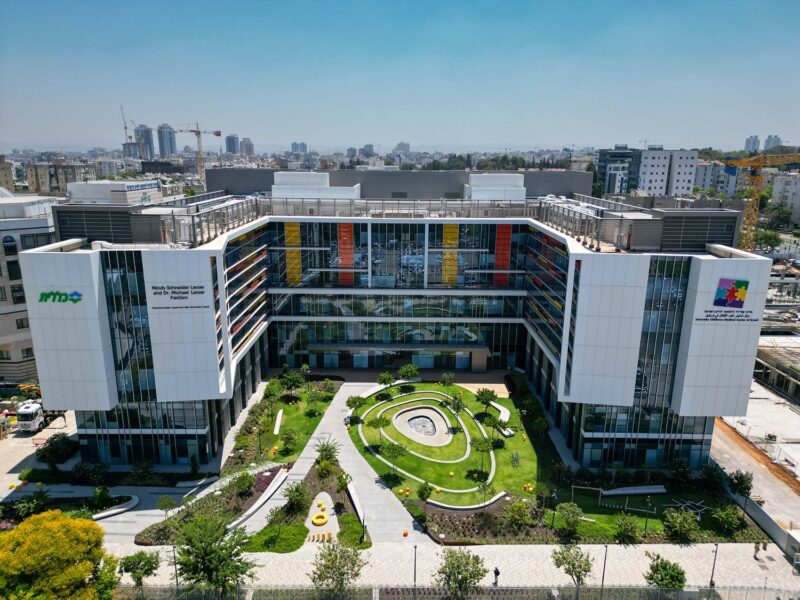
Schneider Children's Medical Center in Petah Tikva, Israel.


 Add EJP on Google
Clalit Health Services, Israel’s largest HMO, and its Schneider Children’s Medical Center announced its $50 million venture fund earlier this week. A third of the interest that the fund generates will go back to Clalit and Schneider for research, and the fund is working with donor-advised funds to allow funders to invest — and potentially grow — their charitable donations.
Schneider Children’s Venture Capital spent eight months in “stealth mode,” quietly recruiting initial investors, before its public debut earlier this week. The fund has raised $20 million from private and institutional investors so far, with plans to raise the rest, managing partner Ronen Gadot told eJewishPhilanthropy.
SCVC represents the latest effort to spur investment in Israel’s medical sector. In the wake of the Oct. 7 terror attacks and the resulting three years of war, Israel has seen a number of medical and rehabilitation-related venture funds as the country grapples with a large number of injuries and permanent disabilities, as well as cuts in state funding to pay for the war effort. Last month, a mental health-focused fund, dubbed Alma Ventures, was launched in connection with Sheba Medical Center, outside Tel Aviv.
For SCVC, the arrangement ties the hospital’s research budget to the fund’s returns. Gadot said the structure grew out of a funding gap that charitable donations alone cannot close. “Philanthropy is great, but it’s not sufficient to cross the chasm between research and clinical use,” he said.
SCVC operates as a for-profit fund with a social mission. “Capital is not enough,” Gadot said. “What the hospital and Clalit bring to the table are significant assets to enhance the chances of success.”
Despite children representing roughly 30% of Israel’s population, pediatric health draws only a sliver of venture capital, Gadot said. He estimated that 60% to 75% of treatments Israeli children receive today are used off-label and have never been tested on kids.
“Our responsibility also extends to thinking about the medicine they will need in the future,” Efrat Bron-Harlev, director of the Clalit-Schneider Children’s Medical Center, told eJP in a statement. “One hundred percent of adults were once children.”
Startups can test their products inside Schneider’s clinics before SCVC commits money — a step the fund says cuts its risk. After it invests, the fund coaches the companies on strategy and commercialization. Clalit also opens its medical database to the firms, which Gadot said provides some 30 years of digital records tracking patients from birth to death.
“It’s a goldmine,” Gadot said, highlighting the fund’s unique added advantage it has in utilizing data other health-focused funds do not have access to. The fund pairs that data with AI tools it has been developing.
SCVC has screened more than 170 companies and made three investments: Cellergy Therapeutics, which seeks to mass-produce healthy mitochondria and plans its first human trial at Schneider in 2027; Noumena AI, which analyzes hospital data without moving it; and an unnamed company developing a blood test for early autism detection.
Shirley Saar, director of Schneider’s innovation center, cast the fund as a bet on prevention.
“For the first time, stakeholders from across Israel’s economy are joining forces behind this vision, recognizing that helping a healthy child become a healthy adult represents an opportunity to create an impact that can extend across 120 years and fundamentally improve public health,” she told eJP.
Related News

PRESIDENTIAL REBUKE
Israel’s Herzog: Mamdani ‘makes no effort’ to hide disdain for Israel, Jews must fight back
HIGHER EDUCATION
As Jewish donors reconsider academia, Jan Koum doubles down, endowing Israel studies at Stanford

EXCLUSIVE
Detroit-based philanthropists Nancy, James Grosfeld donate $8M to renovate JDC’s Israel campus

MAJOR GIFTS
Center for Jewish History celebrates 25 years with a $25M matching grant

MAGICAL EXPERIENCE
Shefa launches psychedelics retreat for Jewish professionals suffering burnout