Opinion
HOPE FOR TOMORROW
Both of my grandmothers were right


 Add EJP on Google
My grandmothers, my two savtot, were both Holocaust survivors. They both endured enormous suffering and loss, but they responded to that trauma in vastly different ways: one optimistic, the other pessimistic. That duality always perplexed and pained me. But now, after nearly three years of devastating violence in Israel, Gaza and the West Bank, I’ve started to understand them both.
My Savta Eva was fearful, anxious and glass-half-empty. She was always anticipating what could go wrong, always preparing for the next disaster — for her and her family, and for the Jewish people.
Savta Margo was different. She was open, at ease and hopeful. She trusted that people could yet become their best selves. She believed that tomorrow could be better than today.
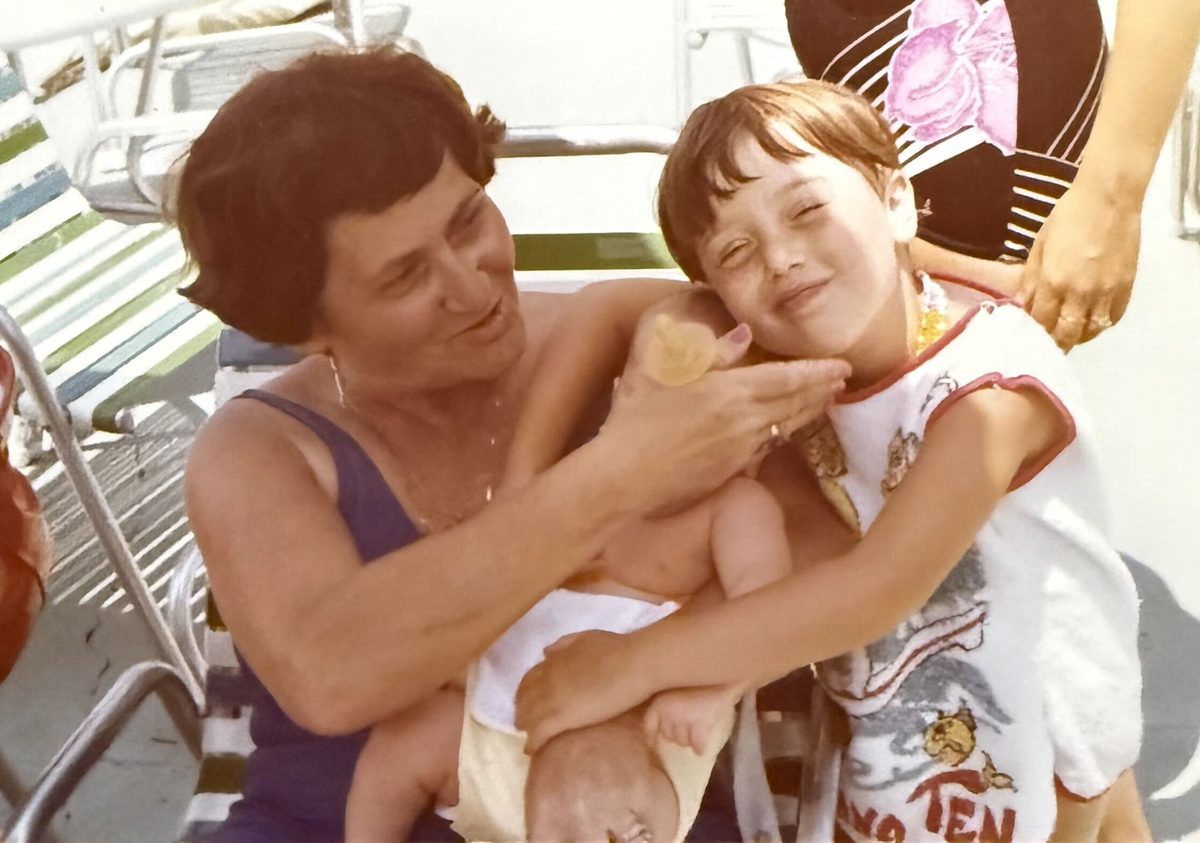
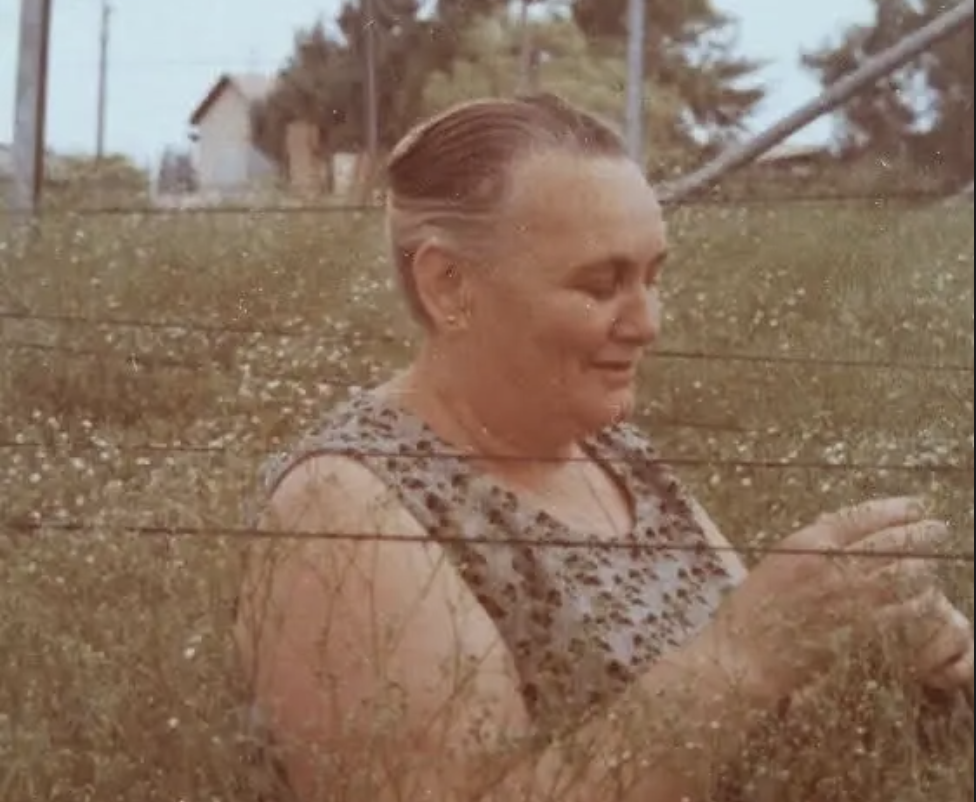
That difference between two people who survived similar horrors and yet emerged with such radically different ways of seeing the world has always fascinated me. If anything, Savta Eva’s response was the logical one. She learned, through terrible experience, that the world could turn against you without warning. Why should she trust it to behave differently? And yet it was Savta Margo’s response that made sense to me — not rationally, but emotionally. Hers was the response my heart reached for, even when my head understood Savta Eva.
I shouldn’t be surprised then that the data from Israel, after years of war, creeping autocracy, and endless bloodshed, reflects primarily Savta Eva’s perspective and a glimpse of Savta Margo’s outlook.
Surveys by the Israel Democracy Institute show a decline in Israelis’ optimism about their country’s future. Between March and July of this year, optimism continued to fall when it came to Israel’s national security, social cohesion, democratic governance and even the economy. In June, only 22% of Jewish Israelis said they were optimistic about the future of social cohesion, and only 42% about democratic governance. The numbers are even lower among Israel’s Palestinian citizens.
Yet the Jewish People Policy Institute has repeatedly found something striking: Israelis are more optimistic about their own personal futures than they are about the future of the country. These surveys seem to be saying: I believe my children will be OK, and I believe I will find my way; I am less sure that we collectively, as Israelis, will have a good future.
These statistics capture something real and important. But they don’t tell the entire story. Let us consider the peace-seeking leaders of the region, stories that offer another narrative and perhaps direct us to another future.
In the aftermath of the Yom Kippur War, no one could have imagined that within four years Israel and Egypt would sign a peace treaty. Menachem Begin, Israel’s then-prime minister, came of age politically deep in the revisionist right; Anwar Sadat, then president of Egypt, was a member of the fascist, ultranationalist Young Egypt Party that openly collaborated with Nazi Germany. Sadat stunned Israel and the world when he came to Jerusalem and spoke at the Knesset. After fighting over territory, security and sovereignty, Sadat and Begin signed a historic peace deal and changed the course of history.
Or in my own political memory, I think about Prime Minister Yitzhak Rabin. As defense minister, he called on the IDF to “break the bones” of Palestinian protesters in the intifada, yet less than 10 years later, he stood beside PLO Chairman Yasser Arafat on the White House Lawn and signed the Oslo Accords. Rabin declared: “Let me say to you, the Palestinians: We are destined to live together on the same soil, in the same land… We say to you today in a loud and clear voice: Enough of blood and tears.”
These leaders — and the radical shifts in imagination that they propelled forward — show us that peace requires us to see beyond the political reality of the moment. They call on us to recognize that today’s enemies do not have to be tomorrow’s enemies, and that our assumptions – and therefore our trajectories – can change in an instant. Or, to paraphrase a current leading visionary and strategist for peace, May Pundak, co-director of A Land for All: Being only an optimist demands further political imagination, while being only a pragmatist forces us to succumb to what we have; that is why she is committed to being both.
The unlikely partnership between Maoz Inon and Aziz Abu Sarah brings this principle to life. Maoz lost his parents on Oct. 7, 2023. Aziz’s brother died after being detained and beaten by Israeli security forces during the First Intifada. Their experiences should have driven them irrevocably apart. Instead, they found connection, co-authored a book and are traveling the world to share their vision and concrete plans for a future of peace. Their friendship reminds us that what politics tells us is impossible — what logic tells us can never be — can transform into another reality altogether.
Here’s what I’ve learned after all these years from my savtot, and from my own read of Israeli history and present reality: Hope does not say, Everything is going to be fine.
It says, Things could be different.
Hope does not ask us to ignore the evidence; rather, it asks us to understand that evidence is not destiny. This distinction matters enormously today. Israelis face innumerable reasons for despair, and yet we see that many persist despite it all with a stubborn faith that better days are still possible.
My Savta Eva had very good reasons to be afraid. My Savta Margo had no more evidence of a kind future than Eva had. And they were both right.
Israeli Jews and Jews around the world know this instinctively when we tell the story of our people. We tell of unimaginable suffering, improbable survival and unlikely victories. Some of us also tell the stories of our own profound and ongoing failings. We must be willing to bring all these stories into the story of peace, and we must be fueled by audacious hope as we imagine a better future.
My savtot taught me, perhaps without ever intending to, that trauma does not dictate a single response. They showed me the value of audacious hope. And that kind of hope looks at everything we have lived through and still dares to say: this is not the only future available to us.
Idit Klein is the vice president for public engagement at the New Israel Fund.