Your Daily Phil: Wrapping up a rocky 2025 for world Jewry




 Add EJP on Google
Good Tuesday morning!
In today’s edition of Your Daily Phil, we wrap up a tumultuous 2025, get the inside scoop on Soroka Medical Center’s push to raise $475 million after being struck by an Iranian missile this earlier this year and speak with friends and colleagues of H. Glenn Rosenkrantz, who died suddnely last week. We feature an opinion piece by Marc Belzberg about recognizing “the unseen bereaved”; one by Robert Lichtman offering leadership insights for founding executives and other communal leaders; and one by Gil Troy proposing a Zionist giving agenda for 2026. Also in this issue: Alex Pomson, Ronald Lauder and Rabbi Angela Buchdahl.
Ed. note: This is the last Your Daily Phil of 2025. The next edition will arrive on Monday, Jan. 5. Sign up for our email alerts to continue to read our breaking news reporting through the new year.
What We’re Watching
Ohr Torah Stone and Sharaka are hosting a discussion today at Tel Aviv’s Anu Museum of the Jewish People featuring rabbis, sheikhs and other Jewish and Muslim leaders focused on interfaith efforts between the two religions.
Nonprofits are making their final push for year-end donations.
Israeli Prime Minister Benjamin Netanyahu is scheduled to travel to the United States next week to meet with President Donald Trump.
What You Should Know
A QUICK WORD WITH EJP’S JUDAH ARI GROSS
The past year has been a tumultuous one for the Jewish communal and philanthropic world, kicking off with the inauguration of President Donald Trump, whose Israel-related policies have largely been hailed by the Jewish community, while his domestic activities and his political allies have been a major source of division. Alongside the joy that accompanied the release of all the remaining living hostages in Gaza and all but one of the slain captives, the Diaspora Jewish community also experienced the pain of multiple deadly attacks in 2025, culminating with last week’s terror attack in Sydney, Australia, in which 15 people were shot dead and scores were injured.
This summer saw a punishing 12-day war between Israel and Iran, following a major strike on Iran’s nuclear project and ballistic missile program, though the success of the American-Israeli operation is up for debate, as Israeli Prime Minister Benjamin Netanyahu is expected to discuss plans for a follow-up strike during his upcoming visit to the United States.
The past year has also seen several major philanthropic donations, including one of the largest ever earlier this month, with Michael and Susan Dell’s $6.25 billion pledge to provide $250 investment accounts to 25 million American children. This year also saw the largest-ever single philanthropic donation by Israeli donors, with Shmuel and Anat Harlap’s $180 million gift to central Israel’s Rabin Medical Center, which was also the largest-ever gift to an Israeli hospital.
Other notable donations that were made this year include: Jon and Mindy Gray’s $125 million gift to Tel Aviv University in May; the Jack, Joseph and Morton Mandel Supporting Foundation’s $90 million matching grant for Cleveland’s Jewish day schools; and Sylvan Adams’ $100 million donation to Soroka Medical Center in October, after it was struck by an Iranian missile. More on this below.
Though it has slowed, the so-called “Surge” in Jewish engagement continued in 2025. This year saw a highly contentious World Zionist Congress election, which was marred by widespread fraud, and a plenary session in Jerusalem that was rocked by political fighting and allegations of corruption. The past year has also seen multiple Jewish groups shut down and merge as they grapple with funding shortfalls and retirements.
As the Jewish world brings in the secular new year, it will be accompanied by many of these common threads, perhaps most significantly mounting concerns about Jewish security in the wake of last week’s deadly terror attack.
RECONSTRUCTION EFFORTS
Inside Soroka hospital’s push to raise $475M after an Iranian missile struck its main buildings

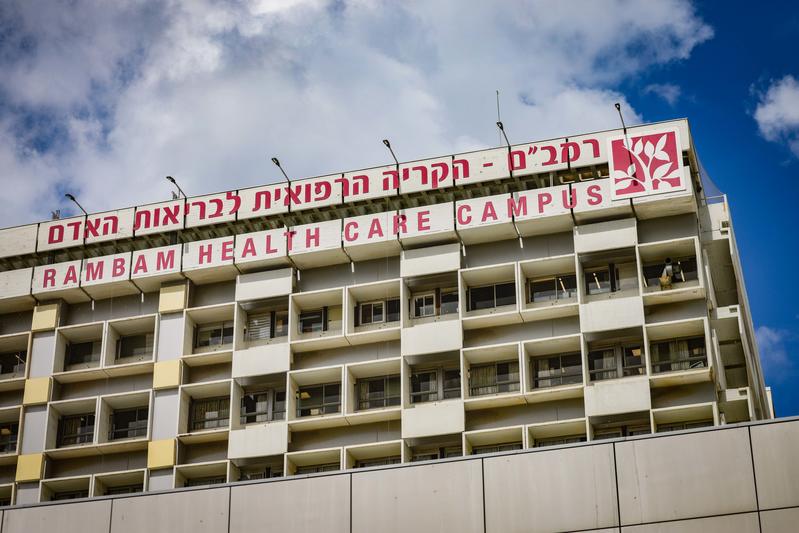
When the Iranian Sejjil ballistic missile struck the Soroka Medical Center’s Northern Surgical Building on June 19 at 7:13:48, the hospital’s director, Dr. Shlomi Codish, was taking cover in a bomb shelter in one of the nearby buildings. “There was the blast, and then two thoughts go through your head: One, ‘How many people were killed?’ … And two, ‘Are buildings going to collapse?’” Codish told eJewishPhilanthropy’s Judah Ari Gross recently. Relatively quickly, however, Codish learned that somehow no one had been killed in the strike, though there were a number of injuries, and that while the Northern Surgical Building sustained heavy damage, as did the buildings immediately surrounding it, there was no risk of collapse. Almost immediately after the attack, Codish said that a number of philanthropic foundations reached out to him, offering assistance. He singled out three of them: the Koum Family Foundation, The Leona M. and Harry B. Helmsley Charitable Trust and Canadian-Israeli real estate mogul and philanthropist Sylvan Adams.
Community building: Adams is, perhaps, the most obvious recipient of appreciation from Codish and Soroka, having pledged $100 million to the hospital in October and helping convince the Israeli government and the Clalit healthcare provider, which owns Soroka, to contribute similar amounts. And while Codish indeed heaped praise on Adams, he also highlighted the contributions of The Helmsey Charitable Trust, one of the most consistent supporters of Israeli hospitals, and the Koum Foundation. Despite making major donations to Jewish organizations in the United States, Israel and around the world, the Koum Foundation — started by WhatsApp co-founder Jan Koum — strives to fly under the radar, and thus did not receive the same amount of public acknowledgment as Adams. “Koum, who already knew us, reached out on their own very quickly and pledged $50 million. At the time, I didn’t even know what the needs were,” Codish said. “What Koum also did, which to me is phenomenal, is that they opened doors for us with places that we didn’t already know. They organized a Zoom meeting for me to discuss our needs, and they invited dozens of people from the Jewish philanthropy world and made connections. They created a community of philanthropists gathering around Soroka,” he said.



BARUCH DAYAN EMET
H. Glenn Rosenkrantz, top Jewish communications professional, dies at 64
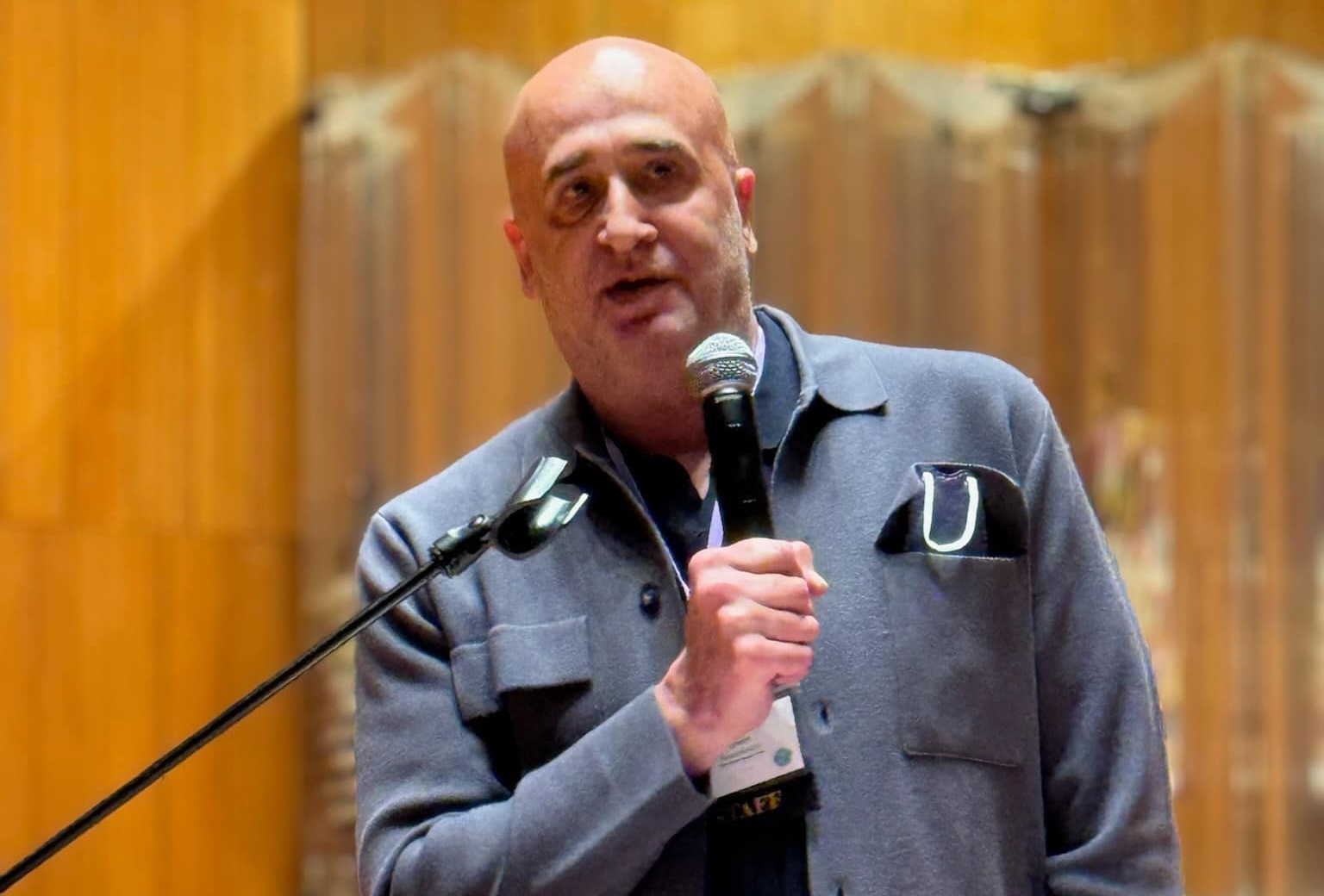
H. Glenn Rosenkrantz, who served the Jewish community as a public relations professional for over 25 years, died last week at 64, reports eJewishPhilanthropy’s Jay Deitcher. Organizations he helped included The Covenant Foundation, The Andrea and Charles Bronfman Philanthropies, Birthright Israel Foundation, Elluminate and The Good People Fund. Friends and nonprofit leaders describe Rosenkrantz as a man who was brought to tears at every Broadway show he saw and channelled that same empathy and emotion into his work. His passion for the organizations he supported, leaders said, fueled their own.
A people person: Friends said that Rosenkrantz’s passions for theater, traveling and people are what made his marketing storytelling magical. He traveled the world, not to visit museums, but to meet locals. Since Rosenkrantz’s death, his friend Chris Kent has been contacted by neighbors and family members whom she didn’t realize had ever met him, with whom he had briefly interacted but made indelible impressions. “He could get very close to them and have a deep conversation very quickly,” Kent told eJP. “That’s probably why he was so good at what he did, because what he was doing was telling stories about all these nonprofits and what they were doing and you have to have that kind of empathy when you start to speak to somebody and you’re trying to get that story out of them.”
HEALING PROCESS
The unseen bereaved: Why it will take us all for Israel to recover
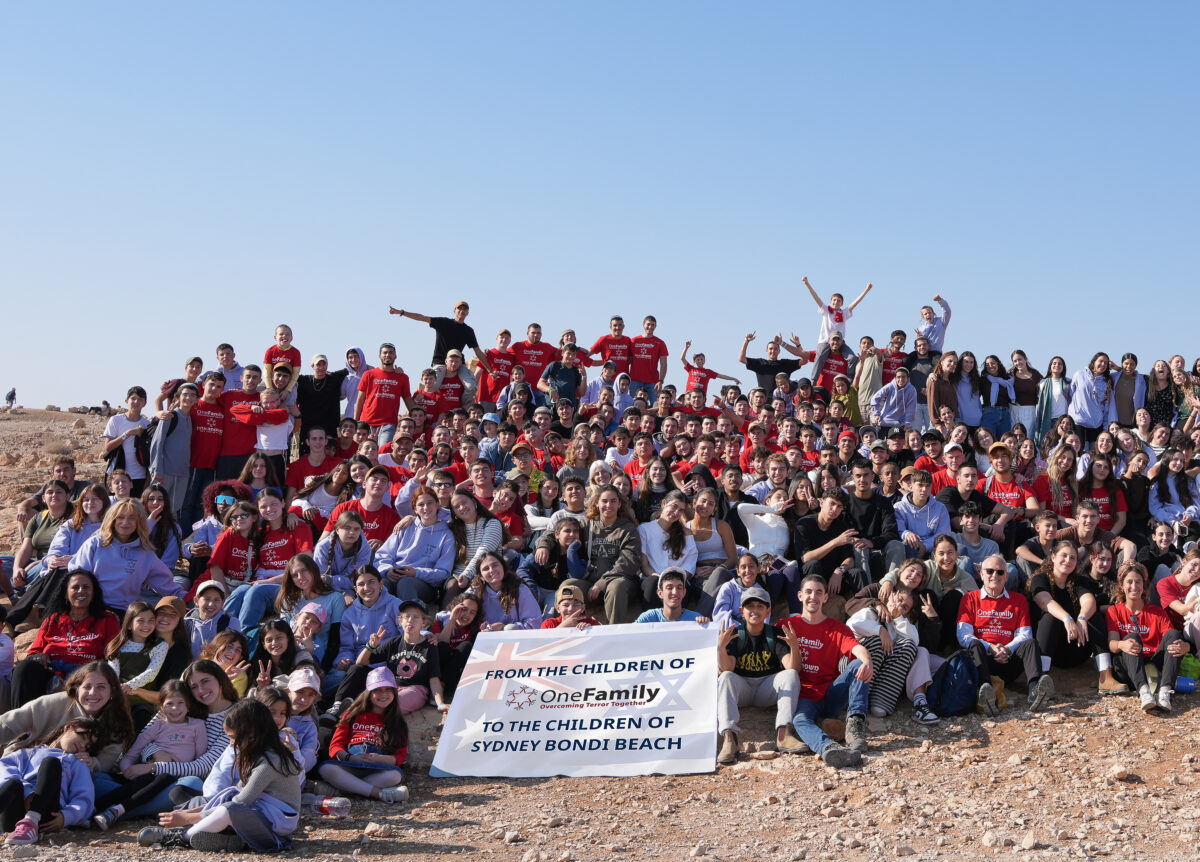
“At OneFamily, we’ve spent the last 24 years walking alongside victims of terror and war. And while every situation is unique, we’ve learned some timeless truths,” writes Marc Belzberg, founder and chairman of OneFamily, in an opinion piece for eJewishPhilanthropy. “Healing rarely starts with words. It begins with presence. It begins with being lifted out of routine and into community. It begins when someone realizes they’re not alone — not in their thoughts, not in their anger, not in their silence.”
Overlapping circles: “We all know bereaved individuals who have lost a child, a spouse or a sibling. But what of commanders who lost their soldiers? Reservists who returned home without friends they’ve served with since their teens? Fiancés whose weddings will never take place? What about grandparents who are holding the family together and are crying alone at night? Or adult siblings who run the errands, handle the bureaucracy, plan the funerals and never get asked, ‘How are you doing?’ This war has changed not only what we’ve lost, but who we are as a grieving people. And it’s made one thing unmistakably clear: grief doesn’t only belong to those with formal titles in an obituary. Grief lives in concentric, overlapping circles. If we’re serious about national recovery, we must widen our lens to include them all.”
LESSONS LEARNED
How culture shapes community: 10 practices from The Partnership for Jewish Learning and Life

“I walked back onto the Jewish Federation of Greater MetroWest (N.J.) campus in late 2005 after an absence of many years to unwrap the greatest gift any Jewish communal professional could hope for: the opportunity to create a new organizational entity,” writes Robert Lichtman, a longtime communal professional and founding executive director of The Partnership for Jewish Learning and Life, in an opinion piece for eJewishPhilanthropy.
Timeless takeaways: “In truth, what we wanted to build would stand on foundations laid by generations of Jewish educational leaders who established and maintained the JEA for some 70 years. My task was to dismantle it with reverence and shape something new. … [W]hat I wish to share here are the practices and culture we developed and employed and the things we learned along the way in the 20 years since the founding of The Partnership for Jewish Learning and Life and 10 years since its absorption into the MetroWest federation — information that I believe will be helpful to colleagues and communal leaders today, in a decade and 20 years from now as well.”
LOOKING AHEAD
A Zionist giving agenda for 2026

“During the recent war in Gaza, I participated in a brainstorming exercise with megadonors imagining ‘Zionist moonshots.’ We discussed big resets that could change Israel, projects as ambitious as JFK’s push to land on the moon by end of the 1960s — projects that some philanthropists could make happen with one big check, or a few close friends,” writes Gil Troy, author and senior fellow at the Jewish People Policy Institute, in an opinion piece for eJewishPhilanthropy.
Think big: “Next year, 2026, could be Israel’s rebound year. Defying mass death and destruction, we came out stronger and so inspired by our young people. Our older generation of givers, in Israel and abroad, can thank these young heroes who saved Israel, the Jewish People and Western civilization. The best way to do that is by thinking big, deploying their resources, wisdom, ingenuity, love and Zionist vision to make post-war Israel even better than ever.”
Worthy Reads
Blind Spot: In The Times of Israel, Alex Pomson, Matt Reingold and Sivan Zakai reflect on insights from a new review of Israel Education research in the Journal of Jewish Education across life stages, from early childhood to adulthood. “[D]espite Israel education being more intensively researched than almost any other field in Jewish education, adult learners remain largely invisible in the literature. Lisa Grant and Diane Tickton Schuster, two pioneers in the field of Jewish adult learning and research, argued almost 15 years ago that ‘adult Jewish learning has become a normative aspect of the North American Jewish communal landscape.’ And yet, it is hard to find anyone other than Grant and Schuster themselves who has actually studied this corner of the landscape. Researchers overwhelmingly focus on children, adolescents, and young adults. The silence is striking. It should at least give us pause about what it means.” [TOI]
Bondi Beach’s Jewish Heroes: In Tablet, Nicole Wizman notes the preponderance of coverage of Ahmed Al-Ahmed’s courageous move to disarm one of the shooters at last week’s terrorist attack in Sydney, Australia. “As the footage spread rapidly across social media and news broadcasts, it soon came to dominate the public conversation, increasingly framing the attack as a story of Muslim-Jewish reconciliation rather than an act of antisemitic violence, with Ahmed al-Ahmed becoming the central figure through which the massacre was understood. This reframing allows Australia to look away from its deeper failures that made the attack possible. It also obscures another critical fact: that there were many Jews at the event who also behaved with unbelievable heroism and bravery, whose names have been largely absent from the narrative.” [Tablet]
Gilded Givers: In Inside Philanthropy, Ade Adeniji explores the evolving stories of second- and third-generation philanthropists stepping into leadership roles. “Notably, today’s landscape often involves next-generation donors speaking the language of ‘systems change,’ ‘equity’ and ‘shared power.’ Some have gone as far as to echo Carmen Rojas’ call to imagine a world where foundations don’t need to exist. All the while, familiar patterns persist: A relatively small number of families are still stewarding significant pools of tax-advantaged capital, and their choices continue to shape public life in outsized ways. This moment is also noteworthy because of scale. The United States is in the midst of the largest intergenerational transfer of wealth in its history, with a new wave of dynastic donors beginning to step forward. Some are modernizing long-standing family foundations. Others are building new, hybrid vehicles that blend philanthropy and impact investments. And some are wrestling more openly than their predecessors with the responsibilities and tensions that come with this immense privilege.” [InsidePhilanthropy]
Word on the Street
Australian Prime Minister Anthony Albanese made a public apology to the country’s Jewish community on Monday after he was booed the prior evening at a vigil marking the Bondi Beach terror attack…
Bloomberg interviews philanthropist and World Jewish Congress President Ronald Lauder…
Several Trump appointees to the board of the United States Holocaust Memorial Museum are pushing for the ouster of Sen. Bernie Sanders (I-VT), alleging that he has rarely attended meetings and that his accusations of genocide against Israel run directly counter to the museum’s mission…
A new report by the Anti-Defamation League highlights several members of New York City Mayor-elect Zohran Mamdani’s transition team who have used antisemitic tropes and justified Hamas’ Oct. 7, 2023 attacks, among other issues the group flags as “deeply troubling” and that raise further questions about his vetting process…
Haaretz profiles Rabbi Angela Buchdahl, senior rabbi at Central Synagogue in Midtown Manhattan…
The Canadian Jewish News interviews Evan Solomon, Canada’s first minister of artificial intelligence and digital innovation, about antisemitism, Bondi Beach and more…
Israeli Defense Minister Israel Katz told leaders of the country’s settlement movement that “when the time comes,” Israel will reestablish settlements in the Gaza Strip, contradicting previous assertions by Israeli Prime Minister Benjamin Netanyahu; after facing blowback for his remarks, Katz later walked back his statement…
A New York Times analysis of donors to Trump administration projects and priorities found that Dr. Miriam Adelson’s foundation pledged $25 million to the construction of the new White House ballroom…
The Washington Post looks at efforts by volunteers, aided by Jewish communal security organizations, to identify threats to Jewish groups and institutions…
Authorities in New York levied a hate crime charge against a man in connection with the stabbing of a Jewish man in Brooklyn’s Crown Heights neighborhood, blocks from the Chabad Lubavitch headquarters…
The Jerusalem Post reports that a bone marrow bank recently opened by the families of three fallen IDF soldiers has successfully matched cancer patients with donors for the first time…
The Jewish Telegraphic Agency spotlights the efforts of the Jewish Broadway Alliance to support and empower Jewish theater artists since the Oct. 7 attacks…
The Jewish Exponent spotlights the upcoming BBYO International Convention, set to take place in Philadelphia for the first time in the organization’s history in February…
A short documentary film about philanthropist Julius Rosenwald, created with support from the National Parks Foundation, won a Mid-America Emmy Award…
Larry Ellison is personally guaranteeing the $40.4 billion that Paramount, led by his son David Ellison, is putting forward in its bid for Warner Bros. Discovery…
Israel’s Cabinet approved the closure of Galei Tzahal, the army radio station, after 75 years of operation, as part of a broader government effort to exert control over Israeli media; Israeli press organizations plan to challenge the decision, which was also opposed by Attorney General Gali Baharav-Miara…
The Times of Israel reports an end-of-year spike in investment in Israeli startups and tech firms, with major injections of funds going to AI and cyber startups…
Barry Faigen, who put his professional experience as a chief financial officer to work as a volunteer for Jewish Federation of Greater Pittsburgh, Chabad, local Jewish schools and other nonprofits, died at 71…
Transitions
Former Blackrock executive Mark Wiseman was named Canada’s next ambassador to the U.S…
Rabbi Doron Rubin has been named the next CEO of the Masorti Movement in Israel…
Pic of the Day
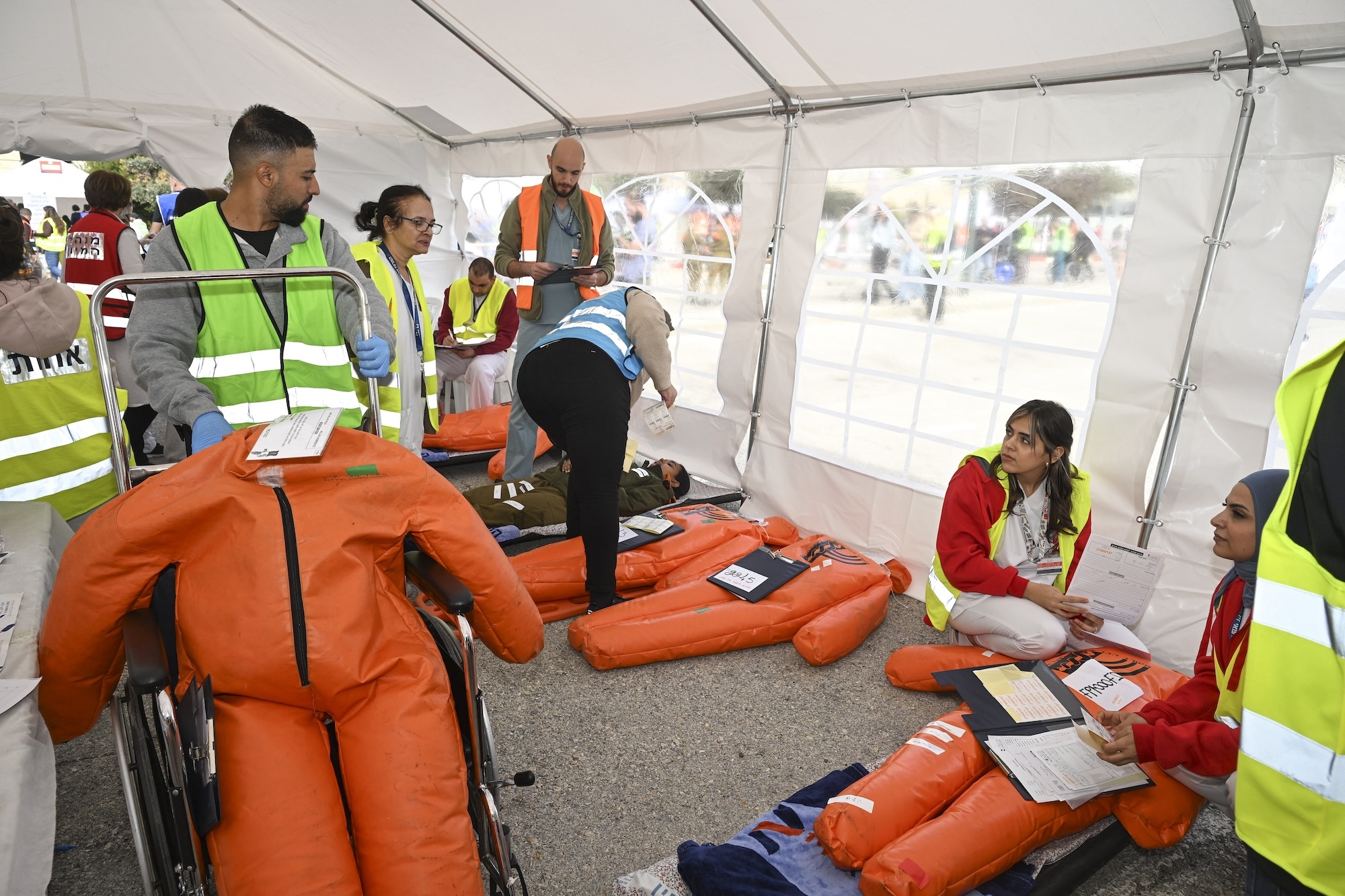
Israeli hospital officials and first responders participate in a mass-casualty training exercise at Ziv Medical Center in Safed.
Birthdays
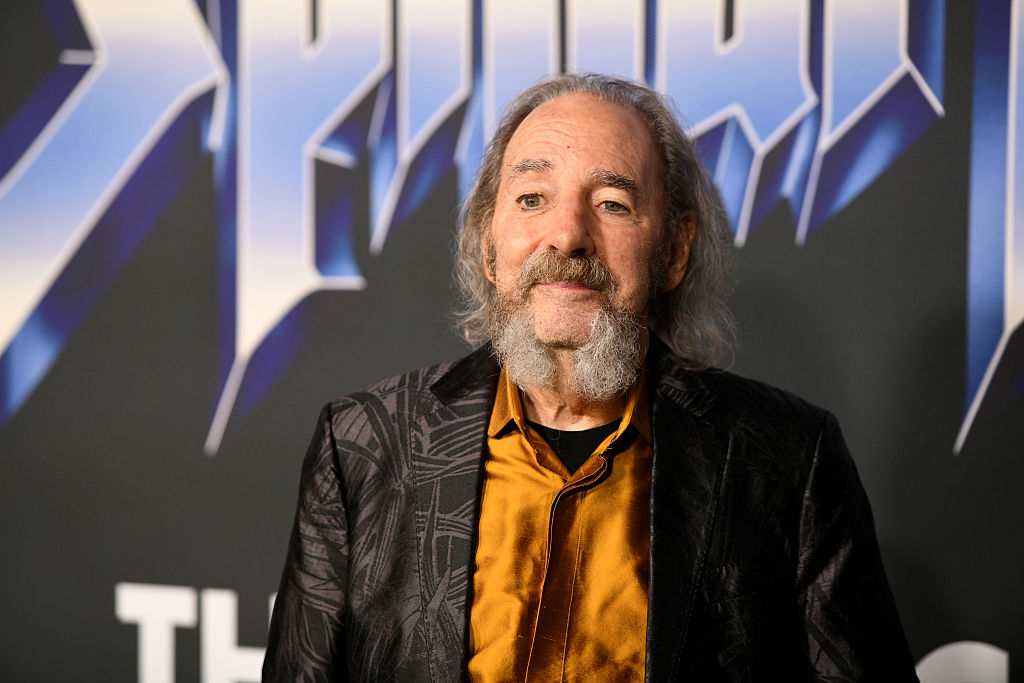
Emmy Award-winning actor, writer, director and producer, best known for his work on “The Simpsons,” he is still an active podcast host, Harry Shearer turns 82…
Television producer, best known for his work on the 1980’s television series “Cagney & Lacey,” Barney Rosenzweig turns 88… Electrical engineer, who with Vint Cerf, invented the Transmission Control Protocol (TCP) and the Internet Protocol (IP), the fundamental protocols at the heart of the Internet, Robert Elliot “Bob” Kahn turns 87… Russian-born mathematician, living in France, Mikhail Leonidovich Gromov turns 82… U.S. district judge in the Southern District of New York, he has been on senior status since 2011, Judge Lewis A. Kaplan turns 81… Documentary filmmaker, she is best known for her films on businessman Julius Rosenwald and baseball players Hank Greenberg and Moe Berg, Aviva Kempner turns 79… Retired Justice on the Supreme Court of Canada, Michael Moldaver turns 78… One of two Grand Rebbes of Satmar, Rabbi Zalman Leib Teitelbaum turns 74… Editor-at-large of The Bulwark, William “Bill” Kristol turns 73… Retired Israeli basketball player and coach, until 2006 she was in the Guinness Book of World Records for the most points (108) ever scored in a women’s professional game, Orna Ostfeld turns 73… Dean at Indiana University’s School of Global and International Studies, he served as the U.S. ambassador to Poland in the Obama administration, Lee A. Feinstein turns 66… Software engineer at Goldman Sachs, Bill Pinsky… CEO of the Rabbinical Assembly, the international association of Conservative rabbis, Rabbi Jacob Blumenthal turns 59… Political technology entrepreneur and campaign finance attorney, Jonathan Eric Zucker turns 54… Israeli-Spanish singer-songwriter of Ladino music, Yasmin Levy turns 50… Beverly Hills-based attorney and real estate agent, he is a supporter of pro-democracy groups in his native Iran, Pooya Dayanim… Attorney in Austin, she clerked for Justice Alito on the U.S. Supreme Court, Zina Linda Gelman Bash… Vice president of strategy and mergers at the Heritage Group, an Indiana-based multi-generational family portfolio of companies, Adam Milakofsky… Israeli singer, songwriter, musician and composer of the genre known as Mizrahi music, Dudu Aharon turns 41… COO at Israel Policy Forum, Snezhana Valdman Orlando turns 41… Liberal rabbi in the city of Dresden and founder of the Besht Yeshiva, Akiva Weingarten turns 41… Partner and chief investment officer at Gelt Venture Partners, he was an MLB infielder and played for Team Israel in 2012 and 2017, Joshua Blake Satin turns 41… Chief of staff for the U.S. Ambassador to France and Monaco Charles Kushner, Gabriel Scheinmann… Founder and CEO at Stealth AI, he is also a lecturer and research scholar at the Wharton School at the University of Pennsylvania, Emil Pitkin… Brand marketing manager at Metagenics, Lauren Kahn… Israeli fashion model, Shlomit Malka turns 32… Senior vice president of the American Foreign Policy Council, Ilan Berman… Former account executive at Edelman, India Goodman… Tom Epstein…