Your Daily Phil: Funding, partnerships drying up for Israeli aid groups in wake of Gaza war




 Add EJP on Google
Good Wednesday morning!
In today’s edition of Your Daily Phil, we interview Ayelet Levin-Karp, CEO of Society for International Development-Israel, about a new survey showing the struggles facing Israeli international development and aid groups post-Oct. 7. We report on the JCC Association of North America’s restructuring, and spotlight the Israeli disability-focused news outlet Shavvim. We feature an opinion piece by Reuben D. Rotman on addressing the “systemic” burnout rates in Jewish human services, and another by Joy Getnick considering how the pluralism lessons from her midsized Hillel can be applied in the wider Jewish world. Also in this issue: Samuel J. Abrams, Shoshanna Wingate and Allison Baumwald.
What We’re Watching
The annual Colel Chabad International Awards Gala is taking place tonight at The Glasshouse in Manhattan. Russian-Israeli entrepreneur Yitzchak Mirilashvili, Heather and Joe Sarachek, Sara and Harry Krakowski and Lauren and Martin Tabaksblat are set to be honored at the event. Also slated to be honored is Ahmed al-Ahmed, the Syrian immigrant to Australia who was shot after bare-handedly disarming one of the Bondi Beach terrorists during last month’s terror attack in Sydney and who was spotted visiting the Lubavitcher Rebbe’s Ohel yesterday.
New York City Mayor Zohran Mamdani’s first major test with the Jewish community could come as soon as this evening, when PAL-Awda, the group behind the November protest outside a synagogue that was hosting a Nefesh B’Nefesh event about immigrating to Israel, is slated to protest another event hosted by NBN tonight in Manhattan.
The Atlantic Council’s Freedom and Prosperity Center is holding a panel discussion this morning at its Washington headquarters on the future of humanitarian assistance. Speakers include IsraAid CEO Yotam Polizer, Zipline Africa’s Caitlin Burton, DAI’s Tine Knott and UNICEF USA’s Patrick Quirk.
What You Should Know
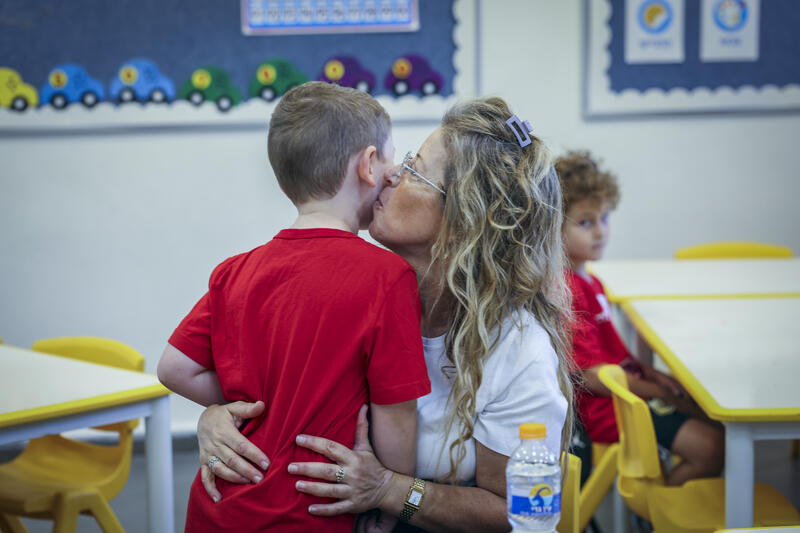
It is a hard time to be an international development or humanitarian aid organization. It is an even harder time to be an Israeli international development or humanitarian aid organization, facing much of the same challenges as other groups — namely, a gutting of American federal support through USAID and a resulting scramble for the remaining resources — while also dealing with overt and subtle boycotts, ideological purity tests and general exclusion from the field.
These are the findings of a recent study of the field following more than two years of war in Gaza by the Society for International Development-Israel, which is being released this week ahead of the group’s conference later this month. The survey was conducted among 20 Israeli aid and development nonprofits, for-profit companies and representatives of academic programs operating in Israel and abroad. Half of the respondents said that since the Oct. 7 terror attacks, they have seen a drop in donations, in some cases a sharp one. More than one-third reported particular struggles securing multiyear grants, making long-term planning more difficult.
In addition to the fundraising issues, many of the respondents reported antisemitic or anti-Israel experiences. This includes roughly half of the respondents saying that since the war began, they have lost or scaled back partnerships with overseas partners. Sixty percent reported antisemitic or anti-Israeli experiences, as well as a quarter saying that they had felt forced to state their opinions about the war in Gaza as a litmus test. This has resulted in 40% of organizations saying that they have since downplayed their Israeli identity or otherwise changed “how they present their work,” according to the survey.
But the survey was not all bad news, with follow-up interviews indicating a high degree of resilience, with respondents showing a high degree of adaptability and grit, according to Ayelet Levin-Karp, the CEO of SID-Israel.
eJewishPhilanthropy’s Judah Ari Gross spoke with Levin-Karp today to better understand the results of the survey and the Israeli development and humanitarian aid field.
JAG: The numbers in your survey are severe and there’s obvious value in having data, but they do not seem particularly surprising to me, considering what we’ve heard and seen anecdotally over the past two years. Just a few weeks ago, for instance, we reported on IsraAid scaling back its headquarters and international missions because of some of the fundraising issues addressed in the survey. Did anything in this report stand out to you?
Ayelet Levin-Karp: Yeah, there was nothing there that was very surprising for us. But first of all, it is important to put numbers to our experiences and our feelings. In many ways, I will say that it’s [describing] a phenomenon that anybody in Israel who deals with the external world has experienced. Anyone who’s working in academia or businesses or many different sectors is feeling that pushback, but I feel that in our community, which is very involved with the humanitarian work in Gaza and is generally very liberal, I think we’re feeling even more of that.
I must say that these are not nice figures to see. It’s upsetting and also disappointing that these are the reactions that our community is getting when it’s really going out there to help and do good globally. It’s also really remarkable to keep in mind that with everything going on internally in Israel and with the pushback that we’re getting from the world, most of our organizations and companies did not close [their doors] and are still continuing to do this amazing work that they’re doing throughout the world. [It shows] the resilience of this community and its inner drive. We’re not looking for permission from anybody to do what we want and think is right to do. We’re continuing to do it even when it’s becoming much harder.
CENTRIST APPROACH
JCC Association restructures to increase offerings, collaboration and staff
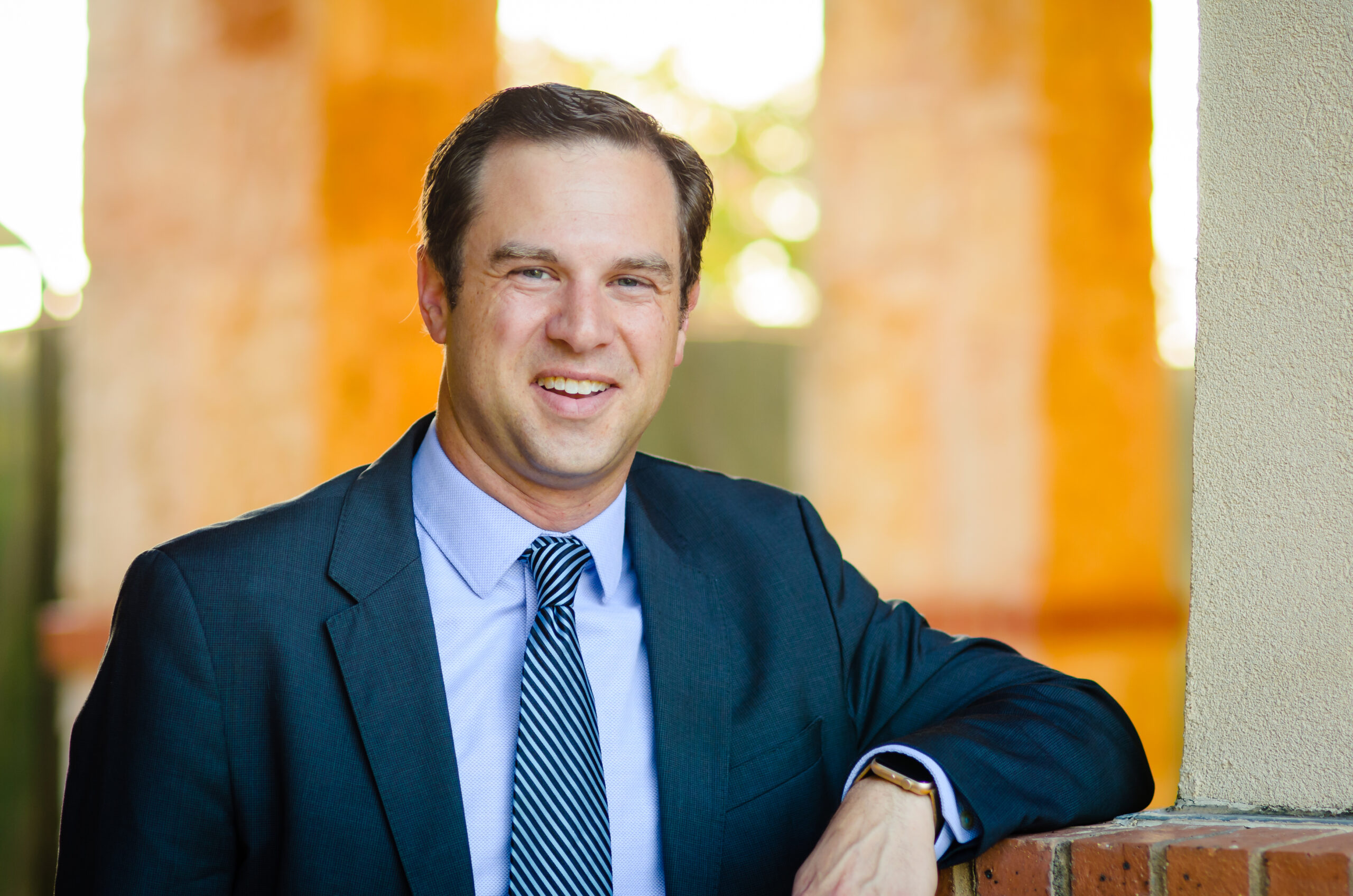
At the end of November, the JCC Association of North America announced that Rabbi Daniel Septimus will serve as the organization’s first executive director of the Center for Jewish Peoplehood, beginning July 1, as part of a complete restructuring that Barak Hermann, the JCC Association’s president and CEO, hopes will increase staff by 40%, reports eJewishPhilanthropy’s Jay Deitcher. “Judaism is what grounds us; the Torah is what grounds us, the traditions, the cultures, but at the end of the day, we’re all part of the people, and we’re all bound to each other. And the JCC is that place, that square, where people can come together to talk through these things,” Septimus told eJP.
All shook up: Hermann joined the JCC Association in July — after over three decades holding leadership roles in the JCC movement, most recently as CEO of the Jewish Community Center of Greater Baltimore — with the goal of shaking up the organization, which was founded more than a century ago. The restructuring divides the organization into three “Centers of Excellence”: the Center for Talent Development, the Center for Jewish Peoplehood and the Center for Innovation and Impact.



BEAT REPORTING
Israeli disability news site Shavvim looks to establish call center to directly aid those in need
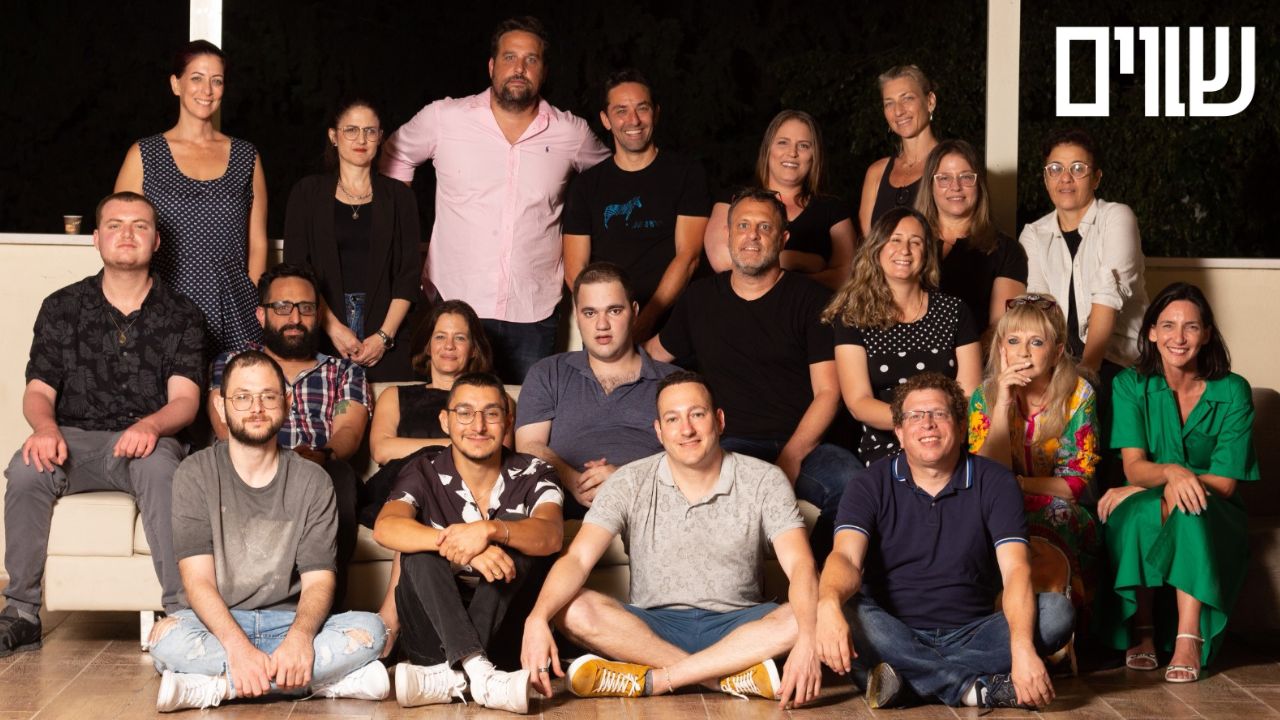
At the start of this school year, a kindergarten for deaf and hearing-impaired children in the northern Israeli city of Tiberias was without a speech therapist — a problem that could cause serious gaps in their speech development. The situation remained unresolved until the Shavvim news outlet’s Jenny Bello, who is herself visually-impaired, got on the case and began pursuing the story intensively. “They found a speech therapist who started working [in November], and the parents are thrilled,” Bello told Judith Sudilovsky for eJewishPhilanthropy. This was just one of many articles by Bello and the other members of Shavvim’s 10-person reporting team, all of whom have some kind of disability. The journalists cover everyday disability issues such as special education, child transportation and the national shortages of caregivers and assistants, which are often ignored by mainstream Israeli media outlets that focus primarily on security and politics.
News you can use: Now Shavvim is looking to harness its extensive knowledge, experience and connections to extend the “Purple War Room” command center that it created in the aftermath of the Oct. 7 terror attacks into a permanent nationwide call center, offering people with disabilities with centralized information, practical assistance and emergency support. Motola said the permanent call center would address the fragmented services offered by the Israeli government and nonprofits, combine salaried staff with trained volunteers and serve as a base for future emergencies.
GIVE IT A REST
From burning out to burning brighter: A framework for serving those who serve

“Resilient Jewish communities depend on the resilience of the professionals and the lay leaders who serve those communities. … Here in North America, rising mental health needs, antisemitism and political polarization demand more from Jewish human service provider agencies than at any time in recent memory. At the same time, our colleagues in Israel report a level of professional exhaustion and burnout, magnified by two years of war with Hamas and global isolation, that is threatening the capacity of the social service sector,” writes Reuben D. Rotman, president and CEO of the Network of Jewish Human Service Agencies, in an opinion piece for eJewishPhilanthropy.
Suggested solutions: “One of the most pressing needs we hear from network member agencies is for more systemic support. Generous funders are crucial to making opportunities available, and we always seek to continue expanding avenues to prioritize personal well-being. … Rest must no longer be seen as a scarce privilege. It should be built into every day. … It all begins with us coming together. … By combining our light, we burn brighter together rather than burning out.”
FIELD NOTES
The promise and perils of pluralism: Lessons from a midsized Hillel and a model for the Jewish future
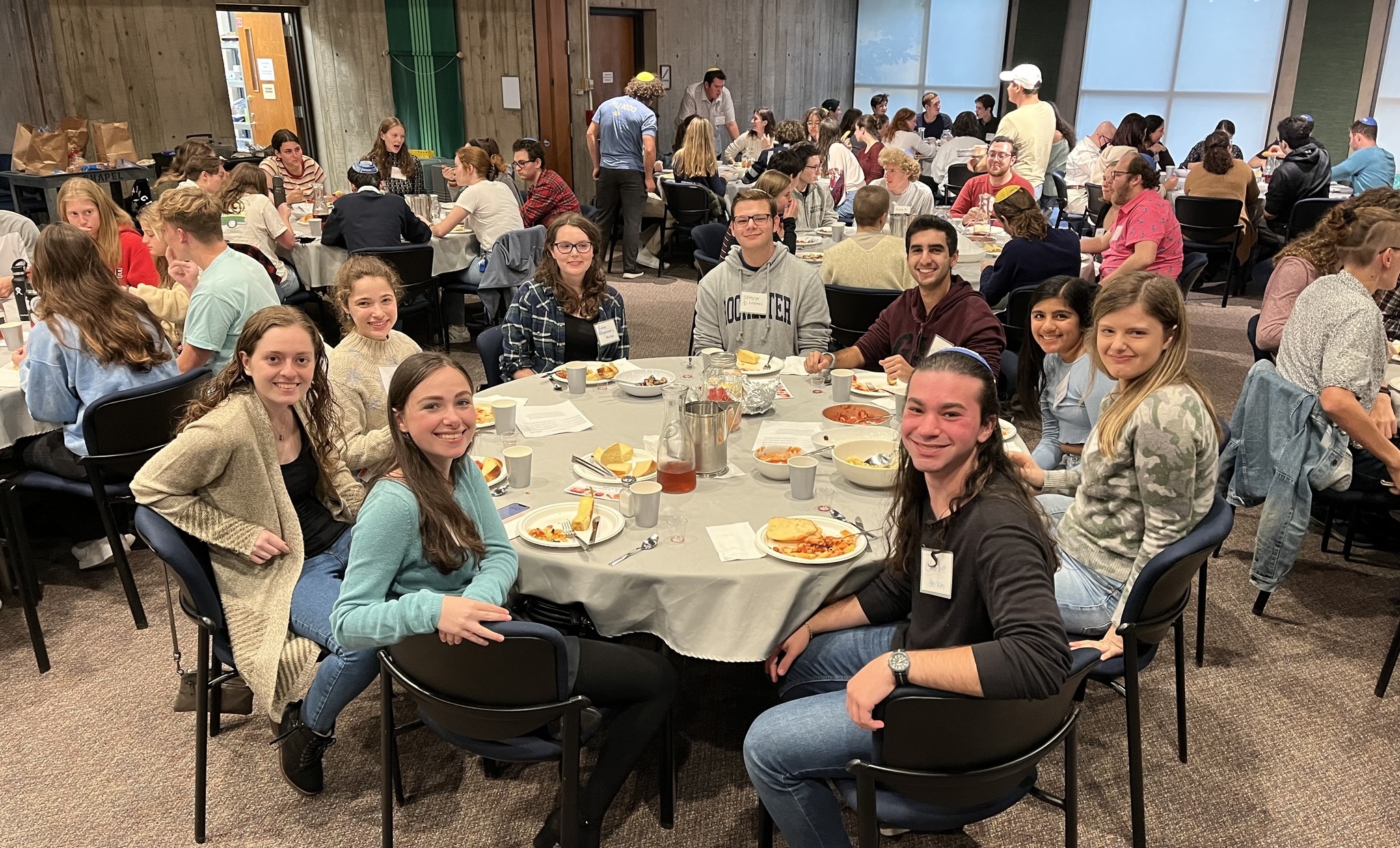
“There are good reasons the old joke about two Jews, three opinions, continues to resonate. It can be challenging to hold such diversity of opinion – from students, parents, alumni and community members – about who and what we should be and do. My work can sometimes feel like an endless game of straddling fences. For some, the seder is too long, and for others too short. Some want what they consider a ‘traditional’ Shabbat dinner meal, but others like weekly themes or diversity of menu offerings, and either way, what is traditional to one is foreign to another. For some in our community, we’re too ‘pro-Israel,’ and for others not ‘pro-Israel’ enough,” writes Joy Getnick, the executive director of Hillel at the University of Rochester, in an opinion piece for eJewishPhilanthropy.
What’s to come: “Ask any Hillel professional — pluralism is hard. But it is also essential to the survival of the Jewish people in an increasingly challenging world. If the numbers support it, what a luxury to parallel pray. But when the numbers don’t, and for a growing number of communities and campuses, they at some point won’t, we will need to find ways to truly listen, compromise and build new cohesive traditions together. Midsized and smaller Hillels are examples of this difficult and imperative work, and they serve as models for the future.”
Worthy Reads
Come Together, Right Now: In Algemeiner, Samuel J. Abrams argues that the Oct. 7 attacks revealed the costs of the myriad redundancies in the Jewish world. “Over decades, Jewish communal life accumulated organizations, programs, boards, task forces, and administrative layers designed for a different era — one marked by higher affiliation, stronger institutional loyalty, and a labor market where mission could reliably compensate for lower pay, limited mobility, and diffuse authority. That world is gone. … October 7 shattered the illusion that this mismatch was manageable. … The redundancy in the Jewish world is frequently defended in the language of pluralism or innovation. In practice, it drains resources, dilutes leadership, and spreads scarce talent thin. … Mergers, consolidation, and shared services are not threats to Jewish life. They are prerequisites for its resilience.” [Algemeiner]
Investment Portfolio: In The Chronicle of Philanthropy, Freada Kapor Klein and Mitch Kapor urge foundations to merge their missions with their investment strategies. “Historically, foundation CEOs and chief investment officers have worked side-by-side but not truly together. The CEO sets strategy to drive the mission, while the CIO focuses on preserving and growing assets, with no expectation or incentive for alignment between their respective goals. Each may find the other’s work intimidating or outside their area of expertise. But the glass wall between CIO and CEO is beginning to crack. This shift is long overdue. … The world’s crises can’t be solved on scraps of generosity. At this critical moment, integrating the expertise of both sides of the house toward a common goal is vital. Foundation CEOs and CIOs must recognize that every investment creates impact — whether good or bad. Pretending otherwise is a dangerous illusion.” [ChronicleofPhilanthropy]
Mind the Gap: In the Israel Hayom newspaper, Shira Ruderman calls for a comprehensive Israeli strategy to shore up ties with Diaspora Jewry, amid fears of a growing rift. “A new survey initiated by the Ruderman Family Foundation among the Jewish public in Israel shows that on the one hand, 78% of Israelis see the relationship with American Jewry as important and essential. On the other hand, confidence in the future of that relationship is eroding. 43% of Israelis believe that the way the fighting in Gaza has been managed has weakened the support of American Jewry for Israel, while more than a third think its contribution is limited or nonexistent. Nearly eight out of ten Israelis are concerned about the decline in support for Israel among the American public, a sense of threat that is now clearly no longer theoretical. And yet, Israel continues to act largely in a reactive manner. … The relationship with world Jewry cannot continue to be managed as a fragmented, reactive, crisis-driven field. It requires clear, well-funded governmental responsibility.” [IsraelHayom]
Thank You For the Music: Rolling Stone’s Marisa Fox looks at how former Israeli hostages leaned on music for strength while in captivity in Gaza. “‘Music has been my lifeline until today,’ says [Alon] Ohel, who also attended Nova, and was snatched from a shelter along with Hersh Golberg-Polin. ‘Music helped me get through the nightmare … and rise above.’ Held in an apartment for his first 52 days, he would hum Bill Withers’ ‘Ain’t No Sunshine’ to himself, a track that took on new meaning in the pitch-black of the tunnels, where he was eventually relocated. Sometimes, he’d imagine the Police’s ‘Roxanne’ to rev himself up. But his most constant companion was ‘Shir LeLo Shem,’ or ‘A Song With No Name,’ by Israeli artist Yehudit Ravitz, and in particular the verse ‘For my song is a leaf in the wind/Faded out, forgotten/It’s the soft light opening in my nights/It is you who walks towards me.’” [RollingStone]
Word on the Street
Israel’s state comptroller has found that more than half of Israeli hospital beds are not protected from missile attacks, among other security-related lacunae in the country’s medical system…
A 14-year-old boy was killed and several others injured by a bus during a riot in Jerusalem by Haredim protesting military conscription; the driver of the bus, whom police are accusing of negligent homicide, told investigators he had been attacked by Haredi protesters and lost control of the vehicle…
New NYPD statistics for last year, which were released yesterday, show that Jews were targeted in hate crimes more than all other groups combined…
The Jerusalem Biblical Zoo has opened a new adventure park named for its former longtime director, Shai Doron, who died in 2024 and who always hoped to open such an attraction…
The JCC Greater Boston has acquired the Boston Jewish Film festival…
The Board of Deputies of British Jews called on the chief constable of West Midlands, U.K., to step down over his force’s recommendation to ban Maccabee Tel Aviv fans from a November match against Aston Villa and false statements given in a subsequent investigation…
A significant majority of Jewish Israelis feel that it is safer for them to live in Israel than abroad, according to a new survey by the Israeli Voice Index, reflecting heightened concerns about antisemitism overseas, Jewish Insider’s Tamara Zieve reports…
Senior Israeli and Syrian officials agreed at a U.S.-brokered meeting in Paris to speed up the pace of talks between the countries on reaching a security agreement…
Israel ordered Doctors Without Borders to cease operations in the Gaza Strip, citing the organization’s refusal to provide identification numbers of Palestinian employees as well its failure to comply with a policy cracking down on criticism of Israel’s conduct in Gaza…
At least 35 people have been killed and more than 1,200 arrested in anti-government protests sweeping across Iran…
American Israeli philanthropist Shoshanna Wingate, who long supported Jewish and Israeli causes, including co-founding the Children’s Medical Fund at Long Island Jewish Hospital, died on Saturday at 104…
Transitions
Allison Baumwald has been named the next chief development officer of World ORT, ORT America and World ORT Kadima Mada…
Madison Mounty has been appointed the director of government relations and advocacy of the Simon Wiesenthal Center’s New York office…
Joyce Karam was named the editor-in-chief of Al-Monitor…
Pic of the Day

Rabbi Josh Ratner of Los Angeles’ Pasadena Jewish Temple and Center addresses the roughly 400 people in attendance last night at an event marking a year since the Eaton and Palisades wildfires, which consumed the synagogue’s buildings. The event, “Erev January 7th: Remembering Together,” was held in partnership with the Jewish Federation Los Angeles and was supported by The Larry and Helen Hoag Foundation.
“On the one-year anniversary of the Eaton and Palisades fires, we are reminded not only of the devastation Angelenos endured, but of the extraordinary compassion that followed,” Rabbi Noah Farkas, president and CEO of the federation, said at the event. “Support poured in from across the country, and Jewish Federation Los Angeles helped transform that generosity into real relief — meeting urgent needs, supporting recovery and standing with families and neighborhoods as they rebuild.”
Birthdays
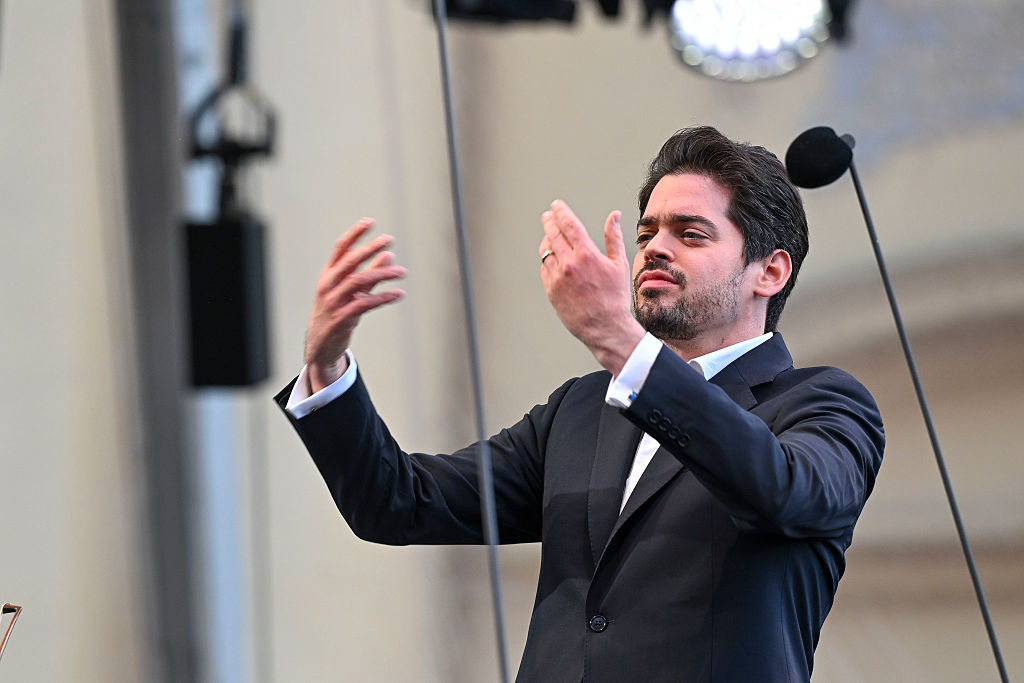
Music director of the Israel Philharmonic Orchestra, he will become the chief conductor of the Munich Philharmonic at the start of the 2026-2027 season, Lahav Shani turns 37…
Former president of the Federal Reserve Bank of Chicago, Michael H. Moskow turns 88… U.S. District Court judge for the Eastern District of Michigan since 1994, he assumed senior status in 2023, Judge Paul D. Borman turns 87… Pulitzer Prize-winning sports reporter, columnist and writer, he wrote for The New York Times from 1981-2007, Ira Berkow turns 86… Scottsdale, Ariz., resident, Bruce Robert Dorfman… Co-founder and publisher of Rolling Stone magazine and co-founder of the Rock & Roll Hall of Fame, Jann Wenner turns 80… Retired president of the University of South Florida system, Judy Genshaft turns 78… Senior U.S. District Court judge in Miami, Joan A. Lenard turns 74… Former brigadier general and chief rabbi of the IDF until 2016, then minister of Jerusalem affairs, Rafael “Rafi” Peretz turns 70… Former CEO of Glencore, one of the world’s largest commodity trading and mining companies, Ivan Glasenberg turns 69… Dermatologist and cosmetic surgeon in Beverly Hills, starting in 2011 he assumed control of his family’s nationwide real estate operations, Dr. Ezra Kest… Documentary filmmaker with a focus on social justice and Jewish history, Roberta Grossman turns 67… One of the heirs to the Hyatt Hotel fortune, Anthony Pritzker turns 65… President of the Shalom Hartman Institute, Yehuda Kurtzer… Managing director and senior relationship manager at Bank of America, she serves as the chair of the Jewish Funders Network, Zoya Raynes… Television and film actress, Lauren Cohan turns 44… Executive director of Keep Our Republic and author of Paths of the Righteous, Ari Mittleman… Concord, N.H.-based public affairs consultant, Holly Shulman… Executive director of Congregation Beth Am in Los Altos, Calif., Jeremy Ragent… Drummer and founding member of The Groggers, a pop punk band from Queens, Nechemia “Chemy” Soibelman turns 35… Reporter on Haredi and Knesset affairs for Walla News, Yaki Adamker… Author of five books and host of the history podcast “Noble Blood,” Dana Schwartz turns 33… National chair of Israel Policy Forum Atid, Jonathan Kamel… Pitcher for the Baltimore Orioles, the first Israeli player ever drafted by an MLB team, his great-uncle is Haim Saban, Dean Kremer turns 30…
Editor’s note: Due to a production error, the photograph used for yesterday’s featured birthday did not show Nathan Kirsh.