
Your Daily Phil: Donors brace for momentous midterms


 Add EJP on Google
In today’s edition of Your Daily Phil, we speak with Jewish Funders Network President and CEO Andrés Spokoiny about what today’s midterm elections mean for philanthropists, and report from Birthright Israel’s inaugural Global BusinessSummit in Tel Aviv. We feature an opinion piece by Dean McKay, Miri Bar-Halpern and Joshua Simmons about the allegations of antisemitism facing the American Psychological Association, and how inconsistent standards for anti-Jewish discrimination impact the field and beyond; and a piece by LizAnn Eisen that reflects on the principles left behind by Elie Wiesel that guide the foundation that bears his name. Also in this issue: Charles BronfmanandJeffrey R. Solomon, Catherine E. Clark and Boy George.
Today’s Your Daily Phil was curated by eJP Managing Editor Judah Ari Gross, Israel Editor Justin Hayet and Opinion Editor Rachel Kohn. Have a tip? Email us here.
What We’re Watching
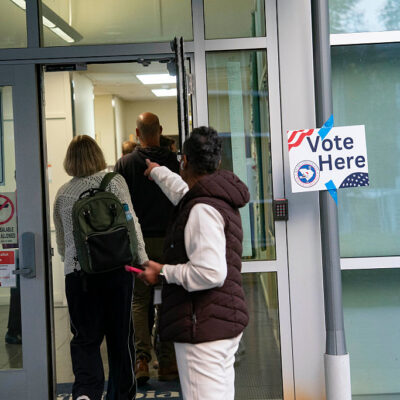
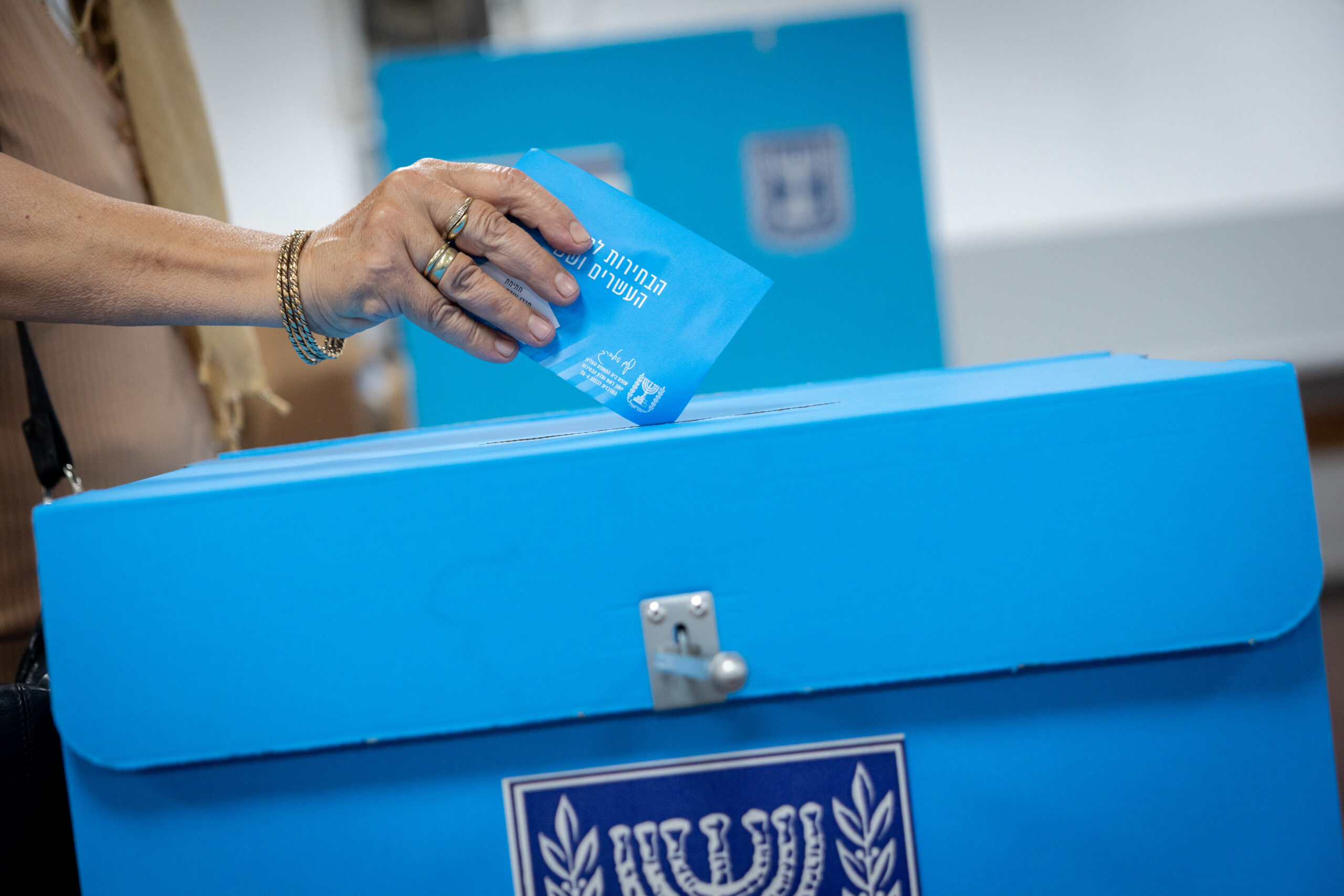
It’s Election Day as Americans head to the polls for heated, consequential midterm elections. More on this below.
Meanwhile, tensions in the Gulf continue after the U.S. conducted what it said were limited defensive strikes targeting Iran’s Qeshm Island.
Taglit wraps up its Global Business Summit with meetings at Israeli tech companies and a day of volunteering alongside Taglit participants in the South.
United Hatzalah is hosting its annual Young Leadership Benefit in Midtown Manhattan this evening.
Israeli President Isaac Herzog will begin his government-formation consultations tomorrow morning at the President’s Residence in Jerusalem, beginning with the Religious Zionism-Zehut party led by Finance Minister Bezalel Smotrich.
What You Should Know
As American Jews head to the polls today in the country’s midterm election, many in the traditionally liberal-leaning community will be feeling a sense of “political homelessness.” Historically liberal Jews are increasingly finding themselves at odds with the Democratic Party on the issues of Israel and antisemitism. At the same time, they oppose the conservative nationalism at play in parts of the Republican Party, whose adherents have also staked out sharply anti-Israel positions and embraced blatantly antisemitic figures.
But while for many this may be the most significant element of this election cycle, it is far from the only one. The midterms have the potential to significantly shift the partisan makeup of Congress two years into President Donald Trump’s second term — a term that has already significantly impacted philanthropy through federal funding cuts, a wave of congressional investigations into nonprofits and new challenges to organizations’ tax-exempt status.
On the eve of the U.S. midterm elections, eJewishPhilanthropy’s Nira Dayanimspoke with Andrés Spokoiny, president and CEO of the Jewish Funders Network, about the sense of “political homelessness” among Jewish funders, philanthropy’s role in politics and the impacts of political uncertainty in both Israel and the United States.
Nira Dayanim: I’m speaking to you between two elections, last week in Israel and today in the US. In your view, what’s at stake for philanthropy in today’s midterms, whether control of Congress changes hands or stays put?
Andrés Spokoiny: There are threats from both the left and the right to philanthropic freedom in this country. And that has a lot of funders very concerned. … For example, the political left… has an ideological problem with philanthropy in many cases. Let’s put it this way: They think that people should just pay more taxes and not do philanthropy. I’m caricaturizing it, but it’s where the opposition comes from…
From the perspective of the right, there is paradoxically a similar threat, but from the other ideological spectrum, the right believes that the philanthropic sector is not transparent enough and does political things that are not philanthropic, and therefore proposes restrictions to philanthropic freedom. Some of those restrictions make sense, but there is a fear that when the government starts messing with philanthropy, it’s a slippery slope.
News
TAGLIT TIME
Birthright courts global donors at Tel Aviv summit, as some speakers court controversy
It felt more like a ritzy international conference befitting an Israeli media conglomerate than a Jewish engagement nonprofit — and that was exactly the point. Taglit’s Global Business Summit, which concludes on Tuesday, had the sleek, exclusive feel of a business conference and featured top Israeli tech and philanthropy leaders, reports eJewishPhilanthropy’s Justin Hayet from the conference. A Taglit spokesperson told eJP that the strategy with the summit was to gather the biggest donors from around the world under one roof and skip the roughly 15 separate country missions it would otherwise take to reach them.
Tachles at Taglit: Israeli high-tech entrepreneur and Mellanox founder Eyal Waldman, one of Taglit’s larger supporters in Israel, also made headlines when he called the Israeli government “one of the worst we’ve ever had in Israel,” as an awkward hush fell over the crowd. Taglit receives tens of millions of shekels a year from the Israeli government. That did not stop Waldman from doubling down, saying, “We have to take the current government of Benjamin Netanyahu out; if not, we will be in serious trouble.”



Opinion
BAD MEDICINE
The American Psychological Association abandons its own science
In an opinion piece for eJewishPhilanthropy, Dean McKay, Miri Bar-Halpern and Joshua Simmons, members of the Collaborative of Jewish Psychologists, respond to last week’s congressional report about antisemitism within the American Psychological Association and highlight concerns about the APA’s 2026 resolution on antisemitism. The Collaborative of Jewish Psychologists is the APA’s board-appointed advisory group, established in August 2025, to help address antisemitism and support Jewish inclusion within the organization.
“Jewish communal organizations increasingly confront questions about how antisemitism is defined, whose experiences are believed and whether Jewish identity is treated differently from other minority identities. When a leading professional association applies inconsistent standards to antisemitism, it risks legitimizing those same inconsistencies in universities, healthcare institutions and other settings where Jews seek equal treatment.”
FOUNDATIONAL WISDOM
Elie Wiesel never asked us to choose
In an opinion piece in eJewishPhilanthropy, LizAnn Eisen, executive director of the Elie Wiesel Foundation, addresses a question posed to her “in any of a dozen different polite disguises” about the organization’s work focused outside the Jewish community.
“[O]ccasionally, someone is direct enough to say what they actually mean: Jews are under sustained assault right now. Our institutions are stretched. Our students and young professionals are frightened. Shouldn’t whatever attention and money we have be spent close to home? The question is understandable. It also merits a careful answer, because I think our field is making a decision about it and I do not think we are making that decision out loud.”
Worthy Reads
Dear Mr. Future Prime Minister: In The Times of Israel, philanthropists Charles Bronfman and Jeffrey R. Solomon urged Israel’s next prime minister to restore security and legal order, end the country’s global isolation and repair ties with diaspora Jews. “We need a clear return to the liberal democracy Israelis cherish, to societal fairness, and to a secure peace. This is the moment, and you have the opportunity, as Jews around the world look to stand with you in this noble effort.”
Event Autopsy: In The Chronicle of Philanthropy, senior editor Rasheeda Childress explains how nonprofits can judge whether a fundraising event is still worth running, weighing staff time, volunteer hours and costs against revenue and retiring or retooling weak ones. “Some typical metrics organizations should consider, say [consultants T. Clay Buck and Amber Melanie Smith], include how much staff time is spent on the event, the amount of money raised, the number of volunteers who participate, the number of volunteer hours required, the number of attendees, and the hard costs of putting on the event. ‘Give yourself a little rubric to score your event against,’ Smith says.”
A Healing Trip: In The New York Times, Boston-based critical care physician and columnist Dr. Daniela J. Lamas calls for studying whether psychedelics such as psilocybin could be offered to dying hospital patients. “Medicine is extraordinarily good at taking things away: pain, anxiety, appetite, consciousness. Those of us in the profession are less practiced at asking what we might give back, especially if the experience might be described as pleasurable or meaningful.”
Major Gifts
Supporters of Mosdos Pnei Menachem pledged $72.3 million at a Tampa, Fla., convention toward a planned Torah Center in Jerusalem, a project estimated to cost $180 million-$240 million…
Transitions
The USC Shoah Foundation selected Catherine E. Clark as its inaugural Mickey Shapiro senior director of programs, an endowed position honoring the philanthropist…
The Anti-Defamation League hired Noah Ehrlich as its new director of development in its Southern California region…
Ayelet Kroizer, a former member of the Israel Defense Forces spokesman unit, joined Breaking the Silence as its new spokesperson…
Word on the Street
Paul Anka, David Mamet, Andy Garcia, David Foster and Barbara Mandrell will receive the Kennedy Center Honors on Dec. 7 at Washington’s Capital One Arena while a court fight over the center’s planned closure continues…
A Sunday “Boycott Ride” planned by local anti-Israel groups in the heart of Philadelphia, aiming to force a series of Jewish and Israeli-owned businesses out of the city, has garnered condemnation from local Jewish groups, which described the event as blatantly antisemitic and part of an effort to drive Jews out of public life, Jewish Insider’s Marc Rod reports…
The NYPD is investigating an incident in which school buses belonging to the United Talmudical Academy in Brooklyn were vandalized with antisemitic graffiti…
The U.K. Supreme Court will hear Palestine Action co-founder Huda Ammori’s challenge this week over whether the government’s terrorism ban on the group violates free-expression and assembly rights; Jewish groups, including the Jewish Leadership Council and the Community Security Trust, have been granted permission to intervene in the case against Palestine Action…
Ynet examines the opposition from Orthodox leaders to a $2.2 billion plan to put Brooklyn’s Maimonides Medical Center under city control, including seven board members who allege retaliation after being left off the new board, a claim the hospital rejects…
The Israeli Consulate in Mumbai, India, announced the death of Solomon Sopher, the chairman of the Baghdadi Jewish community in the city…
Pic of the Day
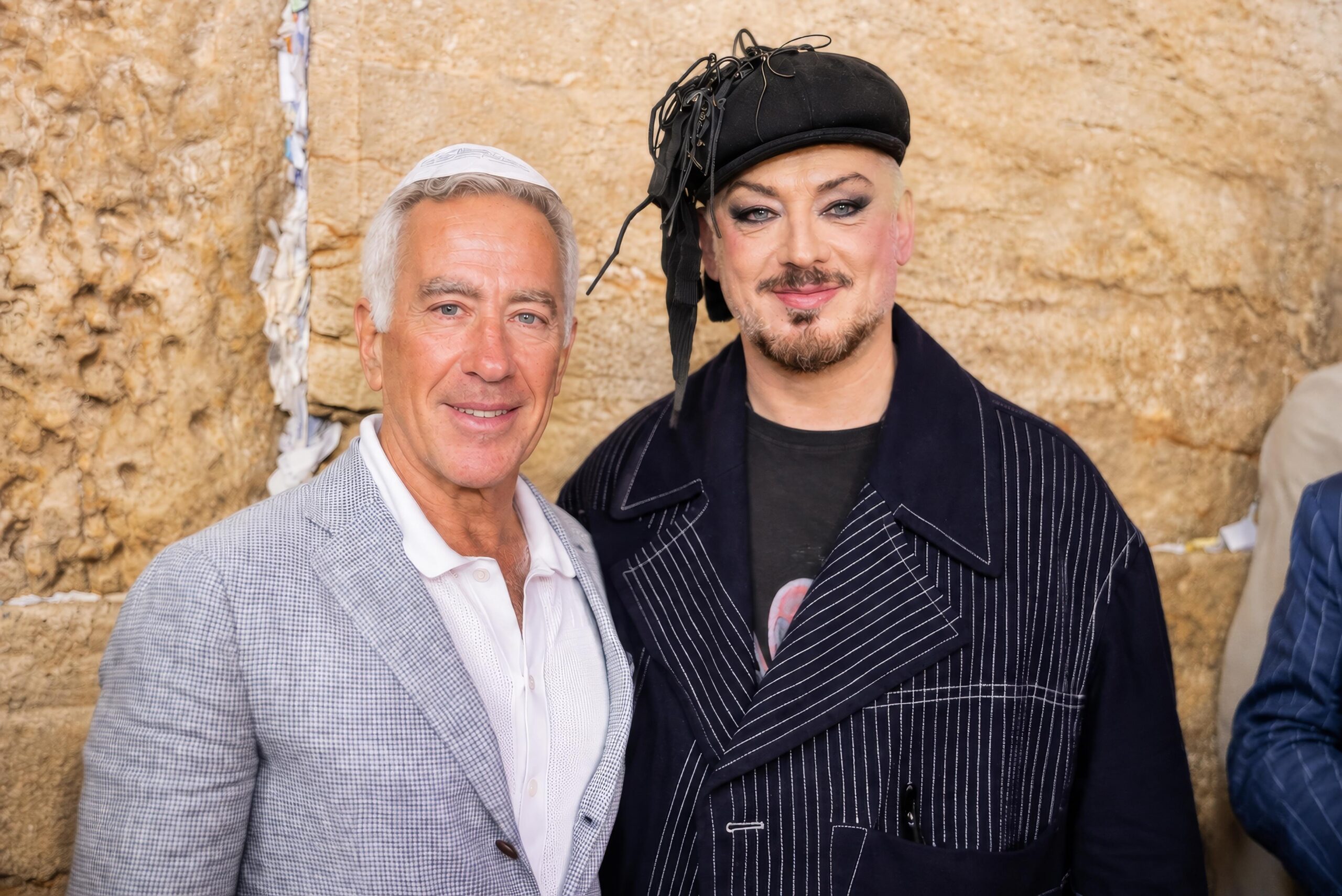
Musician Boy George and Israel-Canadian philanthropist Sylvan Adams, president of the World Jewish Congress Israel, visit the Western Wall in Jerusalem yesterday. The U.K. singer and staunch defender of Israel is in the Holy Land for two shows in partnership with Live Nation Israel on a trip sponsored by Adams.
Birthdays
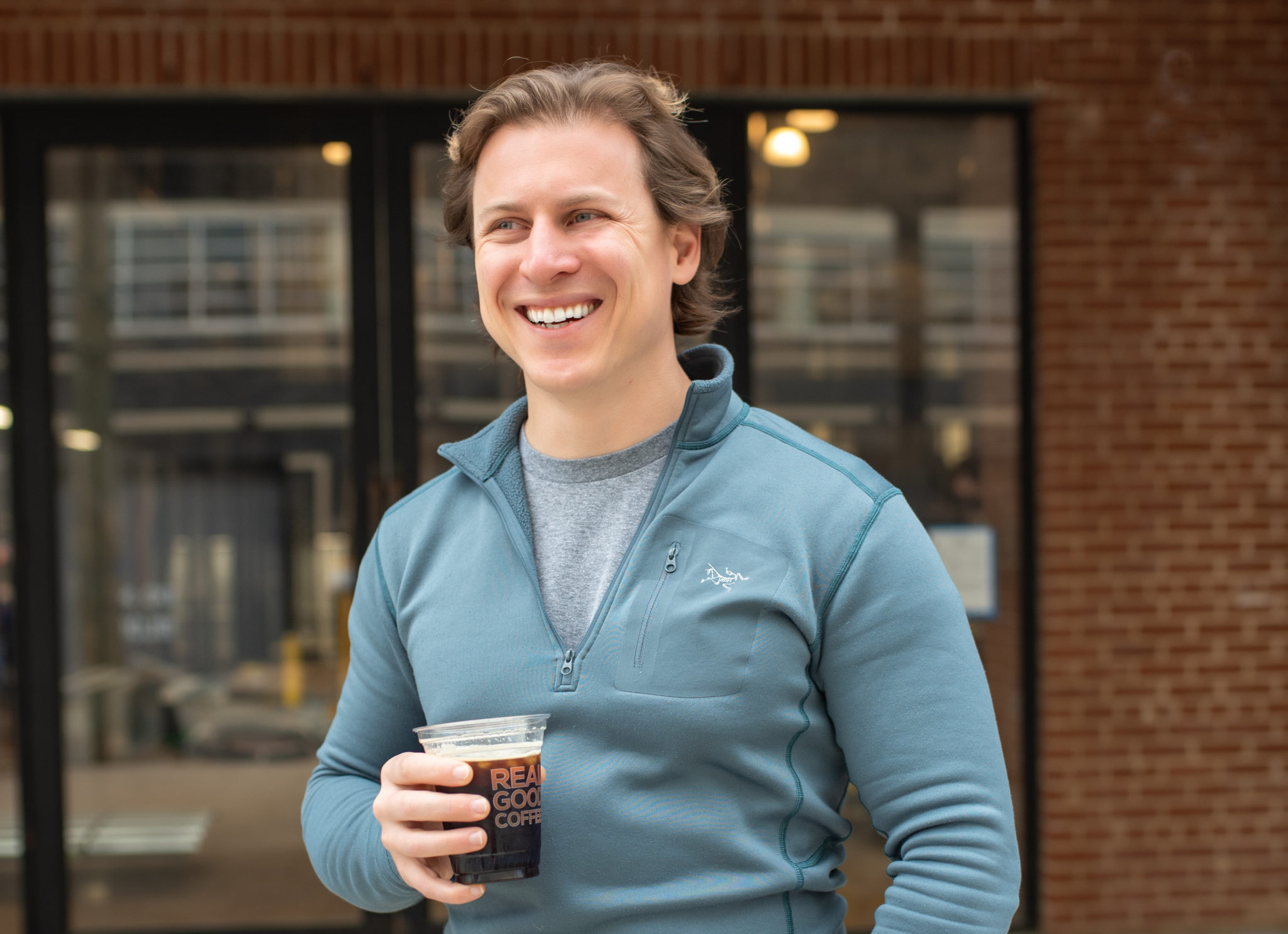
Michael Haft, former captain in the U.S. Marine Corps, he is a co-founder of D.C.-based Compass Coffee, turns 40
Rabbi Ismar Schorsch, chancellor emeritus of the Jewish Theological Seminary, where he also served as a professor of Jewish history, turns 91
Judge Charles Breyer, senior judge for the U.S. District Court for the Northern District of California, he is the younger brother of retired SCOTUS Justice Stephen Breyer, turns 85
Barbara Zheutlin, resident of Great Barrington, Mass.
James Rothman, winner of the 2013 Nobel Prize in Medicine, professor at Yale University, turns 76
Rabbi Paul Caplan, rabbi emeritus at Temple Anshe Sholom in Olympia Fields, Ill., turns 74
Roseanne Barr, actor, comedian, writer and television producer, best known for the award-winning television sitcom “Roseanne,” turns 74
Dennis Miller, comedian, talk show host and political commentator, turns 73
Elliot Jager, manuscript editor and lecturer, author of books on the stigma of childlessness and on the Balfour Declaration, turns 72
Naomi Leshem, award-winning Israeli photographer whose works have appeared in galleries in many countries, turns 63
Jeanne Epstein, regional director of development for The Washington Institute for Near East Policy
Scott Galloway, professor of marketing at the New York University Stern School of Business, turns 62
Michael Morhaime, co-founder and former CEO of Blizzard Entertainment, now CEO of Dreamhaven, turns 59
Edward Stelzer, entrepreneur-in-residence at Loeb Enterprises, he was previously co-chair of the board of the Yeshiva University Museum
Amy Rosenbaum, SVP for federal affairs at CVS Health, she was the White House director of legislative affairs in the last year of the Obama administration, turns 55
Amie Kershner, director of development for States United Democracy Center
Gabby Adler, partner at political consulting firm GDA Wins
Rachel Adler, agent at Creative Artists Agency focused on talent working in television news
Julie Berman, actor who won three Daytime Emmy Awards for her role on ABC’s “General Hospital,” turns 43
Robin Levy Gray, director of corporate impact communications at Southern Company Gas
Rowan Morris, senior managing director at Guggenheim Securities
Yael Averbuch, general manager of Gotham FC, a women’s soccer team based in the New York metropolitan area, turns 40
Michelle Hinchey, New York State senator, turns 39
Julian Baird Gewirtz, senior research scholar at Columbia University’s School of International and Public Affairs, he previously served at the State Department and the National Security Council during the Biden administration, turns 37
Ben Kirshner turns 34
Caroline Michelman, senior marketing manager at American Express, turns 34
Noy Assraf, founder and CEO of Noyse, she previously worked at the Israeli consulate in NYC, turns 31
Diana Silvers, actor and model, turns 29
Stu Rosenberg