Opinion
READER RESPONDS
Save the Fruit Gems




 Add EJP on Google
In Short
Ferrara says the demand isn't there, so let's show them it is.
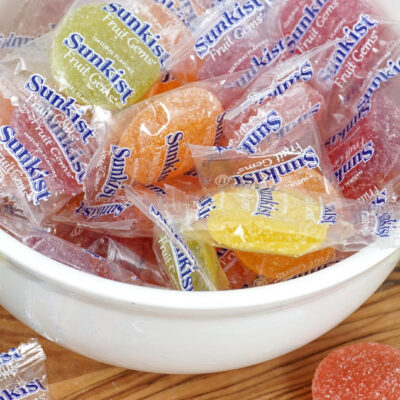
Anyone who has been to a bar or bat mitzvah knows the moment. As soon as the kid finishes the final blessing over the Torah reading, the congregation opens fire: Sunkist Fruit Gems sail toward the front of the room, the bar or bat mitzvah kid tries to shield their face and every child under 10 dives to the floor to collect the candy.
Yesterday eJewishPhilanthropy reported that Ferrara, which owns the brand, stopped making Fruit Gems in May (“Sunkist Fruit Gems, a colorful staple of synagogue celebrations, discontinued”). A company representative said a comeback would take massive demand from across the country and that it probably won’t happen.
Before Ferrara closes the book, it should look at what happened to Kraft.
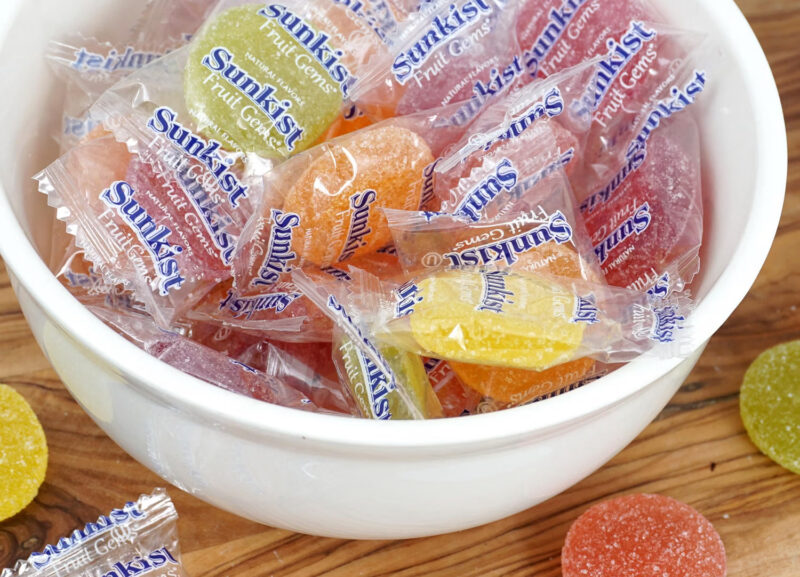
COURTESY
Sunkist Fruit Gems
Stella D’oro started as a bakery in the Bronx. From the beginning, it made its cookies pareve, meaning they contained neither meat nor dairy. That matters because kosher law keeps meat and dairy apart, so a family that has just eaten brisket or roast chicken can’t serve a dessert made with butter or milk. Pareve cookies could end any meal, and in a borough that was nearly half Jewish, Stella D’oro became the cookie on the table after Friday night dinner. The Swiss fudge cookie, a round butter-free shortbread with a chocolate center, was so popular in Orthodox homes that people nicknamed it “the shtreimel” after the round fur hat Hasidic men wear on the Sabbath.
In 2003, Kraft, which then owned the company, replaced the chocolate with a dairy filling. This meant the cookie could no longer follow a meat meal. Rabbis wrote letters, sales dropped by nearly half and Kraft brought the old recipe back. Tablet Magazine later named the Swiss fudge cookie the most Jewish cookie ever made.
Or consider what happened with sandwich bread. Bimbo Bakeries is the largest baking company in the country and owns many of the brands on supermarket shelves, including Arnold, Sara Lee, Entenmann’s, and Thomas’. In 2018, it announced it would drop kosher certification from most of its bread so it could run those loaves on the same lines as bread made with dairy. In New York, that would have been an inconvenience, but in places like Memphis and Denver, supermarket bread is often the only kosher bread available. Kosher consumers called the company by the hundreds, rabbis raised it in their sermons and the major kosher certifiers went to the table. Two months later, Bimbo restored certification to Arnold and Sara Lee.
Hydrox has a similar story with a longer road. Hydrox came out in 1908, four years before Oreo, and for most of the century it was the only chocolate sandwich cookie a kosher kid could eat because Oreos were made with lard. Carvel even used Hydrox crumbs in its ice cream in Jewish neighborhoods for that reason. Once Oreo went kosher in 1997, Hydrox lost its edge; then Kellogg’s, which had acquired the brand in 2003, stopped making it altogether.
That should have been the end. But in 2015 Ellia Kassoff, who grew up on Hydrox, claimed the abandoned trademark, tracked down an unopened 1998 box on Craigslist and rebuilt the recipe from it. The Sporkful covered the Hydrox saga last year. The cookies are still hard to find, and in some parts of the country the most reliable place to buy a box is Cracker Barrel, which is not where most of us go for kosher snacks. But they are still being made, and the most intrepid Hydrox lover can find them.
Some foods, like chicken soup and challah, are Jewish because our grandmothers made them. Others became Jewish because a kosher symbol landed on a supermarket box and a community decided it was theirs. Nobody sat us down and explained that Swiss fudge cookies belong on the table after Saturday morning services or that Fruit Gems belong in the air over a 13-year-old, but we all know it. It works like a secret handshake, and anyone who grew up with it recognizes it right away.
Fruit Gems have been part of that handshake for more than 50 years. One wholesaler told eJP he sold well over 1,000 pounds of them last year, much of it to synagogues for holiday fundraisers. Ferrara says the demand isn’t there, so let’s show them it is.
Call Ferrara and email them. Rabbis, write the letters, as your predecessors did for Stella D’oro. If your synagogue office or volunteer group orders candy by the pound, tell Ferrara why the order stopped. Post your best candy-throwing photos and tag the company.
And until Fruit Gems come back, save what you have left and aim for the bar or bat mitzvah kid’s shins, not their head.
Sara Fredman Aeder is the executive vice president of programming at the Jewish Community Relations Council of New York.