Opinion
LIKE A GOOD NEIGHBOR
When disaster strikes: A model of Jewish philanthropy in action




 Add EJP on Google
In Short
Shalom Austin's response to July’s flooding in Central Texas offers a model of local disaster response for Jewish philanthropy
During the July 4 weekend, when devastating floods hit Central Texas, thousands of local families were left without homes, belongings and, in some cases, hope. In the Austin Jewish community, the questions were immediate: How could we help our neighbors, and how quickly?
As a rapidly growing Jewish community rooted in philanthropy, compassion and collective responsibility, we quickly saw we could play a vital role — and that included serving as a conduit for help from others.
Courtesy/Shalom Austin
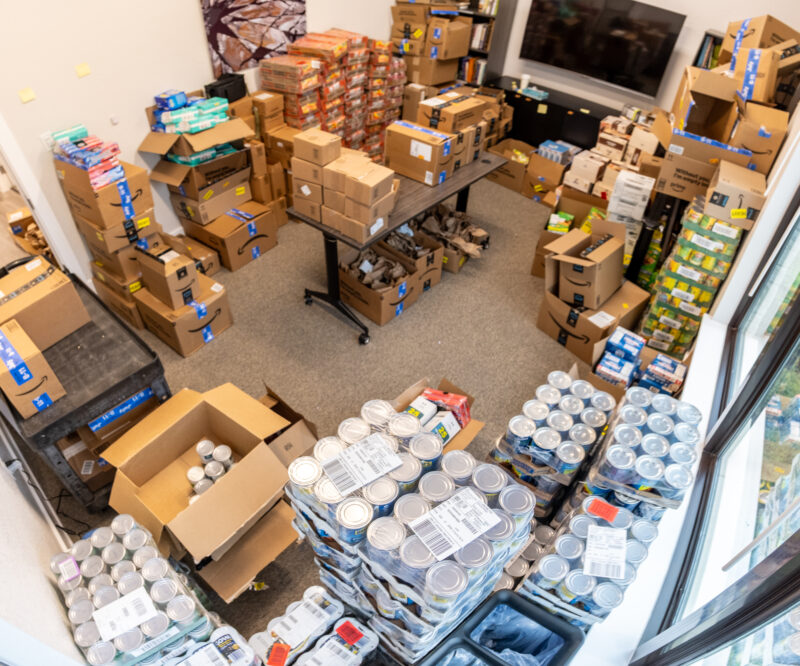
The Krasoff Jewish Family Service Building served as a staging area for the 400 packages of food and hygiene supplies that were donated to the Shalom Austin Jewish Family Service Food Pantry to help individuals and families affected by the Central Texas floods in July 2025.
Within 24 hours of the first reports of the disaster, we established a dedicated online and physical mailbox for donations and shared it widely — not only with synagogues and sister organizations in our own community, but with Jewish institutional partners nationally who were watching the harrowing event unfold in their news feeds and wanted to help.
Donations came in quickly; some in small amounts, others more substantial. In less than 24 hours, we received $70,500 from 21 states for Shalom Austin’s Flood Relief Campaign. By July 15, we reached more than $500,000 in donations from over 2,700 donors in 43 states. As of this fall, the Flood Relief Campaign has received nearly $850,000 from more than 3,000 donors across 46 states and Canada.
Our collective efforts were a demonstration of the Jewish values of tzedakah and chesed as not “just” charity or kindness but swift, coordinated and meaningful action. Our mailbox became more than a collection point; it became a model for how Jewish communities can quickly stand with neighbors in crisis.
To ensure that the funds were distributed thoughtfully, impactfully and aligned with our Jewish values, we formed the Texas Flood Relief Allocations Task Force, made up of leaders from our Greater Austin Jewish community and federation representatives across Texas. The task force’s charge was simple but critical: to make sure every dollar raised was used responsibly and effectively to help families recover, rebuild and regain stability. It was a true reflection of how our community leads, with professional staff like our foundation director Jennifer Kohn Koppel and volunteers such as Grants Committee Chair Matt Smith dedicating untold hours to listening, planning and thoughtful collaboration.
In addition to financial support, within hours of the flood reports our leaders determined that donations to the Shalom Austin Jewish Family Service Food Pantry in July would be allocated to flood relief. We made this commitment even as we continued to meet the needs of other families through our food pantry, which continually supports JFS clients and community members living with food insecurity.
Using Shalom Austin’s volunteer database and grassroots efforts, we also mobilized more than 50 volunteers who helped receive and sort hundreds of in-kind donations and deliver supplies to flood-affected areas across a dozen communities in four counties.
Finally, Shalom Austin Jewish Family Service provided direct support for flood-affected families, including free counseling sessions for children and adults, case management services and emergency financial assistance.
As we look back on our response, we also recognize opportunities to strengthen our approach for the future. We learned how vital it is to deepen our communication with partners on the ground — staying connected with local organizations, community leaders and volunteers who have firsthand insight into the most urgent needs. Strengthening our relationships allows for better coordination, clearer information-sharing and faster, more targeted assistance when every hour counts. We also saw the importance of lifting up stories — sharing the experiences of those affected and those who stepped up to help — so our impact is understood and remembered.
Sadly, we know there will be other floods, fires and crises in the years and decades ahead. So we plan to maintain this model of emergency response and share it with other Jewish communities so they can be ready as well.
During the recent High Holy Days, the chilling passage of “who by water” in the liturgy gave all of us pause; yet we were also reminded that our tradition compels us not only to pray for a secure, better world, but also to build one.
We carry with us the lessons of compassion and responsibility of these past months. The Central Texas floods reminded us that renewal doesn’t only come from reflection, but from how we respond to the needs around us. May this new year bring strength to our community.
Phil Loewy is the board chair of Shalom Austin.
Rabbi Daniel A. Septimus is the CEO of Shalom Austin.