Opinion
WE CAN RELATE
America at 250: Faith communities need each other, and America needs us, too




 Add EJP on Google
In Short
In an era of intense polarization and isolation, partnerships between faith communities must step into the void.
In September 1774, before formal business even began at the First Continental Congress, a motion for an opening prayer sparked one of our nation’s first major debates. With delegates representing diverse traditions, who should lead it? Founding father John Jay, who eventually became the first chief justice of the U.S. Supreme Court, declared that the decision be made “on the ground of a diversity of religious sentiment.”
From America’s birth, there was a clear understanding that the citizenry belonged to and proudly celebrated numerous faith communities. This was codified in the First Amendment, then mirrored more robustly in documents like Washington State’s constitution: “Absolute freedom of conscience in all matters of religious sentiment, belief and worship, shall be guaranteed to every individual.”
Jewish Federation of Greater Seattle
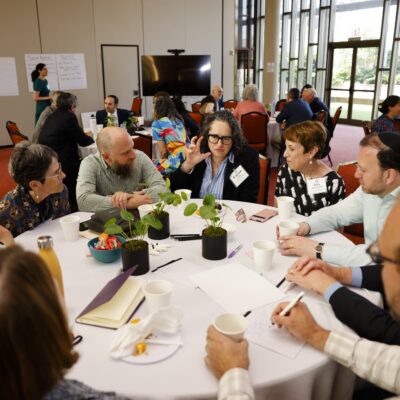
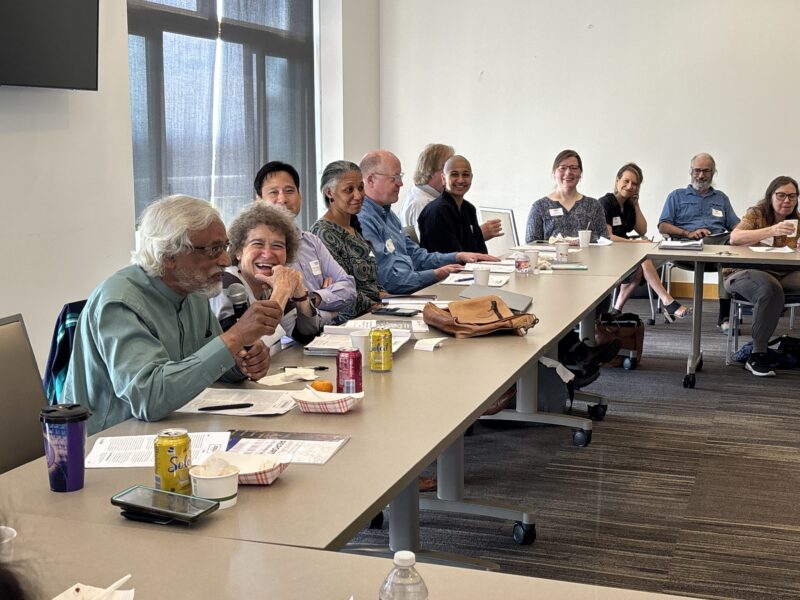
Puget Sound clergy and faith leaders meet at Faith Leader Roundtable 250 in the summer of 2026.
Two hundred and fifty years later, what role can faith communities play in our country’s semiquincentennial? Separate from any spiritual capacity, they serve a humble yet necessary civic role: bringing together people of diverse opinions and beliefs. The Declaration of Independence concludes with the words “we mutually pledge to each other our Lives, our Fortunes and our sacred Honor.” The success of the American experiment has always depended on how we relate to one another.
In an era of intense polarization and isolation, partnerships between faith communities must step into the void. This is not a call for conversion, nor an attempt to force religion into the public sphere. We know many have been wounded, sometimes gravely, by negative experiences with religion. Rather, we recognize value in the diversity of faiths — and the relationships between them — as a jewel of the American landscape. Being together in honest and brave dialogue is the victory. Fostering healthy relationships is the point. When pundits and politicians demand we be separate and scorn one another, we will not be deterred.
This is the hard-won gift of the interfaith movement: learning, over generations, how to stay in relationship. Not papering over differences, but celebrating our deep commonalities while genuinely respecting where we diverge. That practiced capacity to remain at the table when leaving would be easier is a necessary muscle the interfaith movement has been building for decades. America needs it now.
We saw this vision come alive this summer when we organized Faith Leader Roundtable 250, bringing together over 50 Puget Sound-area clergy and faith leaders from six religions, representing a wide expanse of the region we call home. America’s 250th anniversary presents a unique opportunity to reflect on our past and determine what we want our nation to become. We chose to use this milestone as a catalyst for interfaith connection, celebrating our diversity instead of being plagued by our divisions.
Our time together, the beginning of ongoing work, focused on what connects us while being honest about the work that remains unfinished. Together, we engaged in text study of America’s sacred documents, beautifully developed by Faith 250. We shared honestly about the challenges facing our communities, acknowledging the blessings of religious liberty as well as the hard truths that persist. We also envisioned future civic collaboration, knowing that the months ahead, as the midterm elections approach, will amplify polarization.
The pioneering goal of American religious freedom may feel like a broken promise, but we must recommit ourselves toward it with courageous moral leadership. There will be disagreements, but we need each other, especially when we feel alone. Lingering pain and shattered alliances should ignite our need to re-engage. We turn toward the hurt, because that’s what being in relationship means. Our ability to rekindle care, honesty and understanding is what America needs from us now.
To honor this, we released a Multifaith Declaration signed by clergy, faith leaders and people of good will, celebrating America’s 250th while speaking to the urgent need to protect democracy, preserve religious freedom and address systemic inequities. We pledge to stand together to aid one another and better our country. This declaration remains open for others to sign and distribute.
More than words, our country requires the courage to stand against forces that divide and degrade our relationships with our neighbors. By leaning on local leaders and organizations who know how to organize, faith leaders can step into this necessary role.
We experience an awakening in America today — a need for courage, compassion and each other. We may never fully reach the lofty goals of our founders, but we find superlative hope in the work ahead. The burden and gift of our mutual belonging is up to us, and knowing we are not alone is the first sacred act.
Rev. Terry Kyllo is the executive director of Paths to Understanding: Gathering Neighbors, Growing Trust.
Rabbi Jason Levine is the associate director of the Jewish Federation of Greater Seattle’s Jewish Community Relations Council.
Michael Trice is the founding director of the Center for Ecumenical and Interreligious Engagement at Seattle University.