Opinion
BE THE CHANGE
Why I came to Israel to work for shared society




 Add EJP on Google
Earlier this year, tens of thousands gathered in the center of Tel Aviv for the largest joint Jewish-Arab protest in Israel’s history, calling on the government to confront the crisis of rising crime and violence devastating Arab communities in Israel.
Onstage, a Palestinian Israeli mother, alternating between Hebrew and Arabic, urged her fellow citizens to show solidarity in a joint struggle for safety, dignity and equality. Among the opposition lawmakers in attendance was Rabbi Gilad Kariv of the Democrats party, who told reporters: “If a mother in [the Arab towns of] Umm al-Fahm or Sakhnin feels [too] insecure to allow her child to go to the playground in the afternoon, it means we cannot be safe and feel secure here in Tel Aviv.” To my American Jewish ears, nothing sounded more natural — when minorities are safe, all citizens are safe.
Courtesy
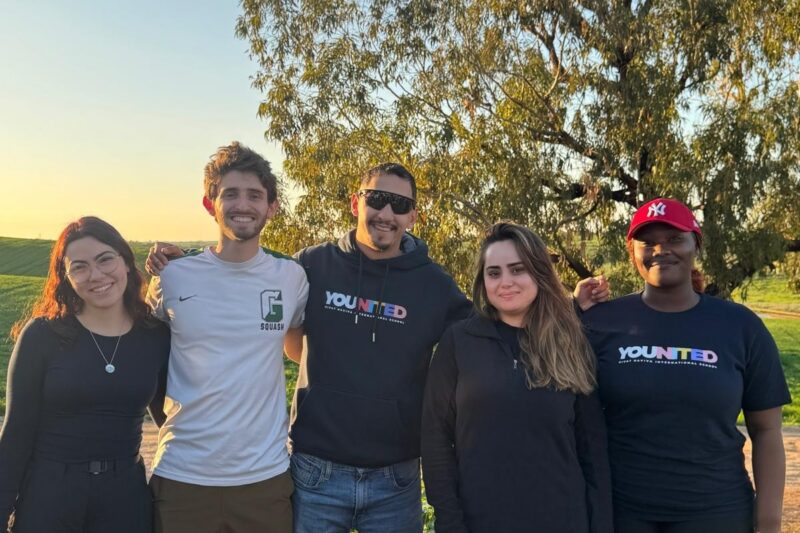
Sami Jinich with other Younited school Community Educator staff. From left: Noga Smooha, Jinich, Sleman Adoulat, Areen Naseraldeen and Christina Bazia.
My journey to that demonstration began in 2020, when I finished high school in Washington, D.C., and moved to Jerusalem for a gap year. My admiration for Israel, first nurtured growing up in a pluralistic Jewish home and community, deepened that year. At the same time, I also confronted realities my Jewish American education had largely avoided: discrimination faced by Arab Israelis, political tension between different Jewish communities and the violent occupation of the West Bank.
On Jerusalem Day, an Israeli holiday marking the reunification of Jerusalem during the Six-Day War in 1967, I watched ultranationalist Jewish mobs march through the Old City’s Muslim Quarter, chanting “death to Arabs” while police escorted them. An alarm sounded in me that day and would not stop.
So last year, after graduating from Duke University, I came to work at Younited, an international high school in northern Israel where Jewish and Arab Israeli students live and study together. The school and the larger organization that hosts it, Givat Haviva, are modeling how a diverse democracy as fractured as Israel’s can not only survive but also flourish.
On this 40-acre campus in Wadi Ara, a region home to a mix of Jewish and Arab towns, the school hosts youth from across the country as well as various art, language and leadership programs. Jewish teens come to learn Arabic and meet Arab Muslims, Christians and Druze, learning about their cultures and struggles. Arab Israelis, in turn, connect with Jews, improve their Hebrew and gain insight into the majority’s culture they’ll navigate in adulthood. The campus setting is often the first time young Arab and Jewish citizens, who attend separate schools, are able to interact meaningfully.
For American Jews who believe in and benefit from liberal democracy, the work of shared society organizations in Israel should feel both intuitive and imperative. Israel cannot build a lasting peace with its neighbors while neglecting 21% of its own population — Muslims, Christians, Druze and Bedouins. The same sense of belonging that allows us to be a safe, flourishing minority shaping American life should extend to the minorities in Israel, whose futures are bound to the country that is as much their home as it is for the Jewish majority.
I’ve seen what this can look like up close. Last fall, Younited school held a memorial for innocent Israelis and Palestinians killed on Oct. 7, 2023 and in the two years of war in Gaza that followed. It was difficult for everyone, but I watched our community of Arabs and Jews rebuild trust where fragility and fear had previously taken hold.
I’ve met students from Jewish and Arab schools who met for the first time through Givat Haviva’s programs, learning the dreams and struggles of their neighbors who live nearby but feel a world apart. What struck me most was how naturally conversations among students left divisive politics aside and entered the personal — what it was like to live on the border with Gaza on Oct. 7, or how difficult it is to start college in Israel without speaking Hebrew fluently.
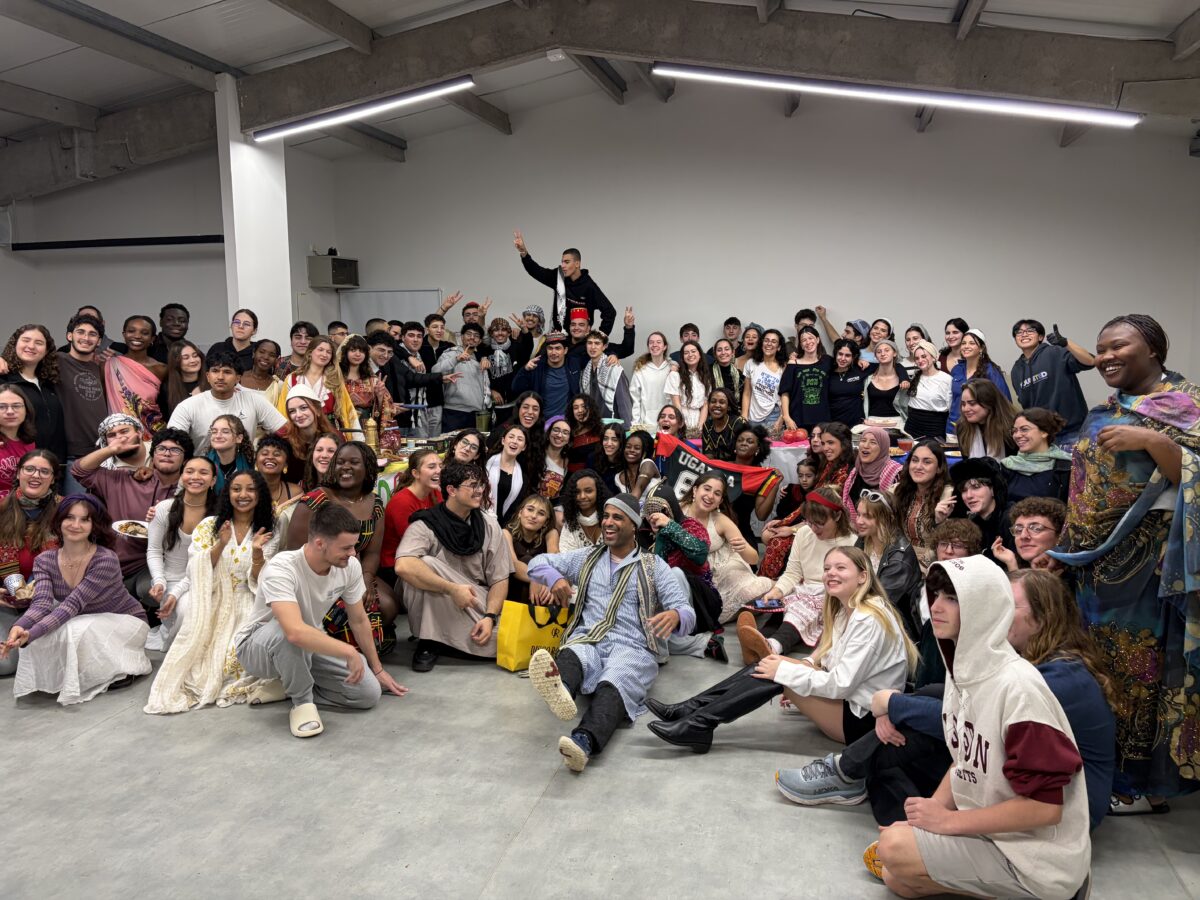
Shared society is not built through policy debates. It is strengthened when people learn to carry each other’s stories alongside their own. In this way, Israeli identity starts to belong to and reflect all of its citizens alike.
That I ran into Younited students at that Jewish-Arab protest in Tel Aviv was not surprising. I first heard about it through the network of civil society NGOs that could use American Jewish support now more than ever. They understand what I heard that evening from many speakers, Jewish and Arab: Israel’s safety, its future success and any hope of peace with its neighbors depend on the democracy it builds at home.
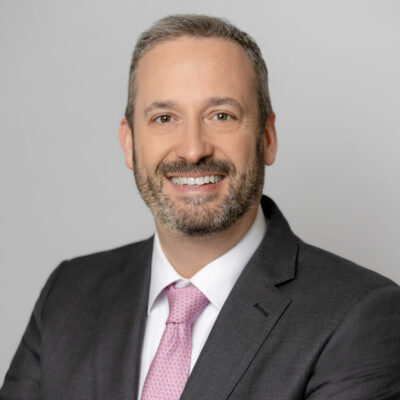
Sami Jinich is the assistant to the director of strategy at Givat Haviva and a community educator at the Younited International School, with support from the New Israel Fund’s Shatil Social Justice Fellowship.