Opinion
PSYCHOEDUCATION
Mental health literacy is a national imperative for Israel, and philanthropy is making it a reality




 Add EJP on Google
In Short
Israel’s National Psychoeducation Campaign aligns philanthropy, government, health systems, academia, civil society and media around common goals, shared data and coordinated action.
Israel is facing a mental health crisis unlike any in its history. The cumulative trauma of the Oct. 7 attacks, the resulting war and prolonged national uncertainty has pushed stress, anxiety, depression and trauma-related symptoms into nearly every home, workplace and community. At the same time, Israel’s clinical mental health system is stretched far beyond capacity.
The question for philanthropy is not whether to act, but how to act wisely.
Getty Images
When demand for care outpaces supply, the instinctive response is to invest primarily in treatment: more clinics, more therapists, more crisis services. These investments are essential, but they are not sufficient on their own. In moments of mass trauma, no clinical system, regardless of funding, can meet population-wide need through treatment alone.
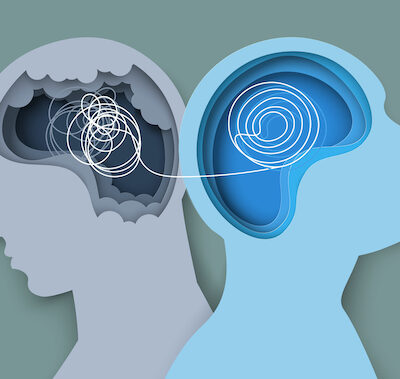
What is required alongside clinical care is a public health approach to mental health, one that strengthens people’s ability to understand and respond to psychological distress before it escalates into crisis. At the center of that approach is psychoeducation.
Psychoeducation is not therapy, nor is it meant to replace professional care. It addresses a more basic need: helping people understand what is happening in their minds and bodies, which reactions are common under extreme stress and what practical steps can support stabilization and recovery.
Across Israel, practitioners and researchers are increasingly converging on one conclusion: psychoeducation must be a core pillar of the national response. This understanding is the foundation of the National Psychoeducation Campaign, which, together with its national survey, reflects an effort to apply Israel’s emerging mental health strategy through a collective impact model. A shared commitment across sectors, the campaign aligns philanthropy, government, health systems, academia, civil society and media around common goals, shared data and coordinated action.
The national psychoeducation survey, which captured responses from 915 Israelis representative of the population, helps clarify where that gap lies. The survey found that roughly 75% recognize psychotherapy and medication as effective, with approximately 85% of respondents understanding the impact of mental health. However, critical gaps were uncovered: only 68% of respondents felt capable of recognizing signs in others, and just 60% expressed confidence in knowing where to turn for help. Furthermore, while theoretical acceptance was high, 1 in 3 participants endorsed stereotypes contributing to social stigma; and among those reporting emotional distress, only 50% actively sought help.
The findings point to a crucial disconnect. Awareness of mental health is relatively high, but practical knowledge, confidence and follow-through remain uneven. Israel’s challenge is not simply a lack of services or even a lack of awareness. It is the absence of accessible, actionable guidance that helps people translate concern into appropriate action for themselves and for others. Knowledge alone is not enough; people need tools, language and clear pathways at the moment distress appears.
It is this gap that informed the design of the “How Are You” campaign. The campaign functions as a practical psychoeducation infrastructure, providing clear, accessible tools that respond directly to the needs identified in the survey. It includes an online toolbox with instructional videos, self-diagnostic tools and actionable strategies that individuals can integrate into daily life, alongside a dedicated landing page that guides users to professional support when needed. By giving people immediate tools and clear next steps, the campaign is designed to bridge the gap between awareness and behavior.
What makes this national campaign unique is that it targets the entire country, drives messages developed by dozens of partners and leads the public not to one organization’s resources, but to the range of resources according to the individual’s needs. The National Psychoeducation Campaign is powered by deep partnership. Critical philanthropic support from ICAR Collective’s (Israel’s Collective Action for Resilience) founding partners, alongside leadership grants from JUF Chicago, Micah Philanthropies, Jewish Federation of Greater Philadelphia, ZB Foundation and Jewish Federation of Greater Houston made it possible to launch the national planning process, conduct field and public research and implement the first wave of this cross-sector initiative.
The campaign is being implemented through a broad coalition that includes the Ministry of Health, the Ministry of Welfare, Maccabi, Meuhedet, Clalit and Leumit health maintenance organizations, Mifal HaPais, the Local Municipality Association, JDC, Hebrew University, the Israeli Trauma Coalition, NATAL, Tamar, Sahar, Wuste Tzega and Healthy Cities. The coalition also includes major Israeli media outlets, academic centers and additional NGOs, ensuring national reach, cultural relevance and system-wide alignment.
A substantial body of research shows that psychoeducation improves mental health outcomes at scale. It increases appropriate help-seeking, reduces stigma, improves coping and strengthens resilience. Just as importantly, it reduces unnecessary strain on overwhelmed systems by decreasing panic-driven use of emergency and specialty services.
When people recognize that irritability, sleep disruption, emotional numbness and heightened anxiety are common trauma responses, they are less likely to interpret them as personal failure or permanent damage. When families, educators, employers and peers understand these responses, they are more likely to offer support rather than judgment. Over time, this leads to fewer crises, better functioning and stronger social cohesion.
Philanthropy is uniquely positioned to support interventions that fall between systems, too preventative for healthcare budgets and too clinical for education or welfare frameworks. Currently, psychoeducation sits squarely in this space.
At this moment in Israel’s recovery, investing in mental health literacy is not about choosing education over treatment. It is about strengthening the entire ecosystem of care while empowering millions of people with tools they can use right now. The “How Are You” campaign demonstrates how practical psychoeducation can be scaled to reach the population, offering actionable guidance to help Israelis navigate trauma, support one another and seek professional care when needed.
If Israel is to emerge from this period more resilient, it will not be because every wound was treated in a clinic. It will be because a society learned how to understand trauma and how to respond with wisdom, compassion and skill.
Lisa Silverman is a co-founder and the director of advancement of ICAR Collective, Israel’s Collective Action for Resilience, which is dedicated to accelerating trauma healing and advancing mental health resilience through coordinated collaboration across Israel’s public health, NGO academic and research communities.