Opinion
A DIFFERENT APPROACH
The strategic majority: Rethinking Israel engagement on campus




 Add EJP on Google
Two years after Oct. 7, 2023, much is still unknown about what the future holds for Israel and the Jewish People. On American college campuses, the future is far more certain: Antisemitism and anti-Israel sentiment aren’t going anywhere. Protests will continue, and the question before us is not whether things will get ugly again but how we will respond when they do.
In the years since the boycott, divestment and sanctions movement started as an outgrowth of the Second Intifada, the tenor of anti-Israel activity on campus has ebbed and flowed mostly in parallel to the geopolitical situation in the Middle East. We’ve developed an array of responses: counterprotests, public lectures, statements demanding accountability, sometimes direct legal action or political lobbying. These are necessary, but reactive.
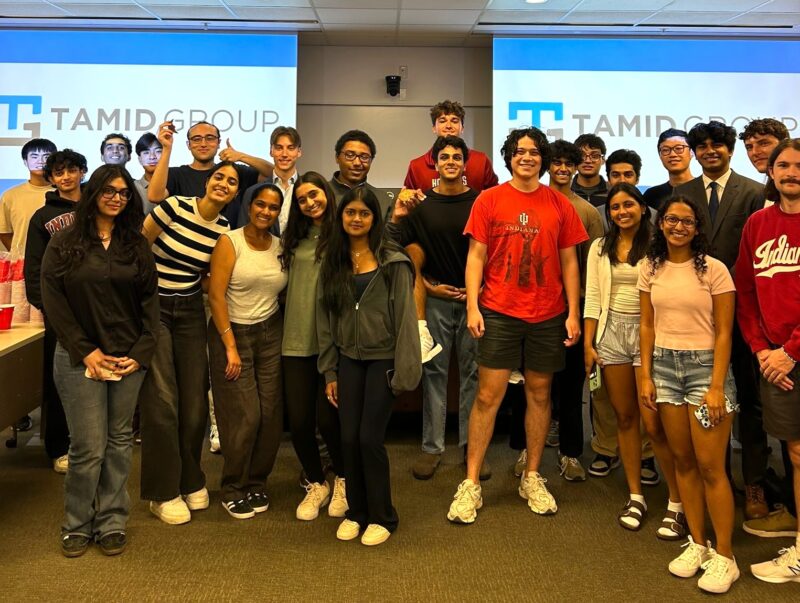
Mira Solomon/Tamid Group
The Tamid Group chapter at Indiana University’s Kelley School of Business.
Meanwhile, more and more polls show that Gen X, millennials and Gen Z — the next generation of leaders — are turning their backs on Israel. Why does it feel like a glance across the Atlantic is a glimpse of our future, where protests have turned into actual boycotts and divestment?
Put simply, we will continue to lose ground — not just in the court of public opinion, but in boardrooms and offices of leadership as well — without a different, better strategy.
In the spring of 2024, when campus encampments were at their height, a public opinion survey from Generation Lab found that 8% of students were part of those protests. Who was focusing on the other 92%? A common understanding among those of us who work with students regularly is that this “silent majority” was paying attention to these protests and developing their opinions accordingly, but the vast majority of students weren’t standing in a ring around the protests — they were hurrying past on the way to class, circumventing the chaos to get to the library and finish their projects.
These students, whose focus will not be deterred as they seek to build successful futures, land coveted internships and propel themselves ahead of their peers, are a powerful majority. And one model that has shown promise in reaching them about Israel is career-driven, experiential learning.
For example, Tamid Group, where I have served as CEO for the past decade, connects 4,000 U.S. undergrads each year with Israeli startups. We introduce students to Israel’s economy and thriving start-up scene through consulting projects, investment research and management, and leadership training. Many continue on to immersive internships in Tel Aviv. In these programs, students gain practical business skills while also developing a firsthand understanding of Israel and Israelis beyond the headlines — seeing day-to-day, minute-to-minute economic and security challenges as well as the business acumen and resilient spirit of Israeli society. And all of this occurs through lived experience rather than abstract debate.
These students do not sign up to “support Israel.” They get involved with Tamid to advance their own careers — and in the process, they experience Israel’s thriving startup culture, learn from innovative business leaders and develop a firsthand connection with the country, its history and its people. This approach to Israel engagement, rooted in personal ambition rather than religion or politics, proves to be much more durable.
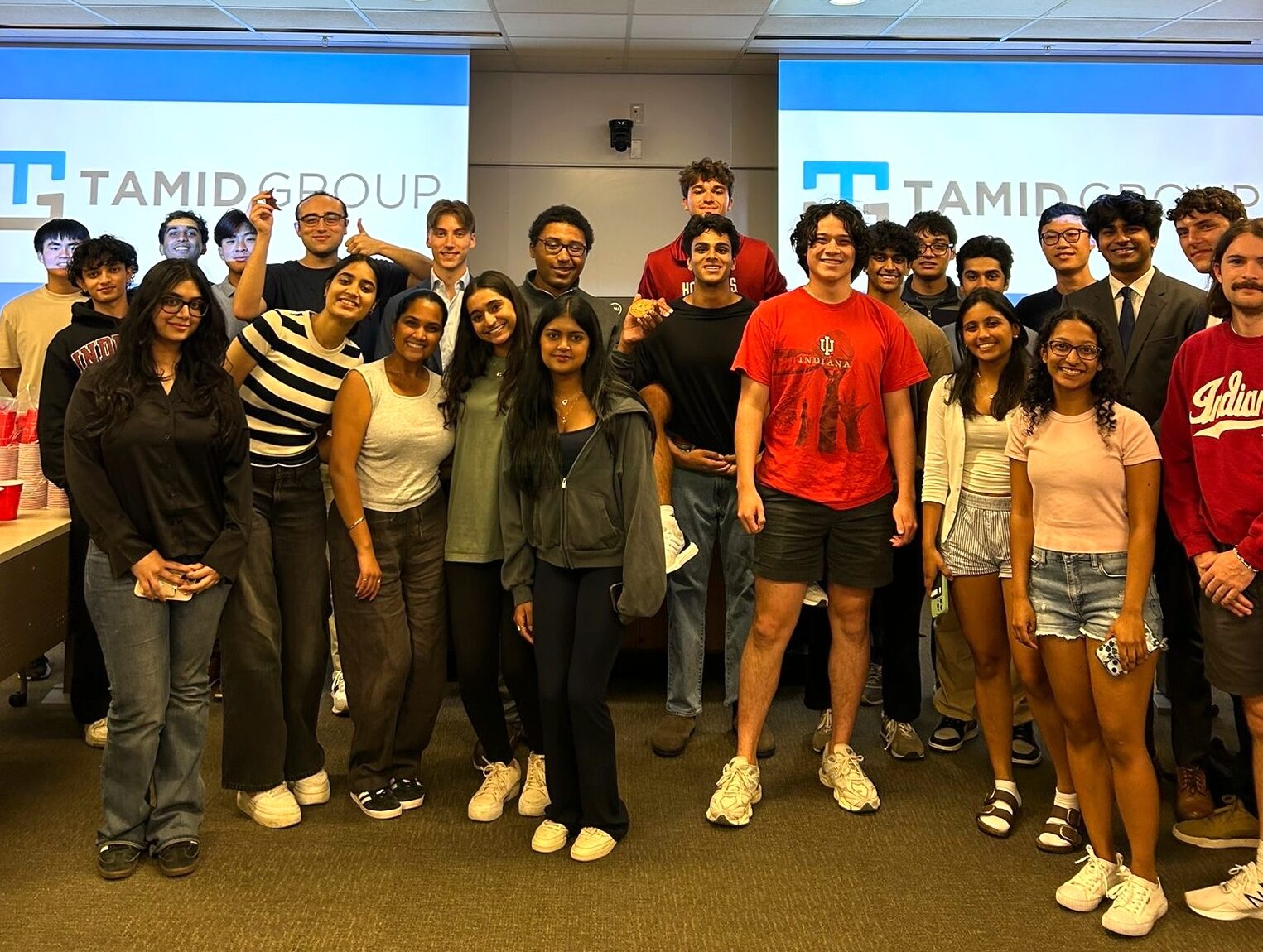
Because these initiatives are anchored in career growth rather than identity, they also draw students with little or no prior connection to Israel. In fact, 80% of our students would have no other Israel connection or engagement on campus. More than a quarter aren’t Jewish. Yet by the time they graduate, many participants remain engaged with Israel through professional and personal ties. Alumni enter leadership roles across business, finance and technology, with Tamid alumni going on to fill the ranks of firms like Deloitte, KPMG, PwC and Google. More significantly, 70% of them maintain tangible, meaningful engagement with Israel — connections that translate into action.
If we want to change the trajectory of the conversation on campus, we must think long term. To be sure, it is vital that we answer protests directly, but there are many organizations and individuals involved in that work already. Who is focusing on the vast majority — the students who will be the next CEOs, who will fill the coffers of those university endowments and who will sit in the seats of power in five, 10, 20 years?
It’s time the Jewish community thinks creatively, meeting this younger generation where they are by engaging them through their personal aspirations and giving them the opportunity for real-life experiential Israel education that actually sticks. Because the next wave of anti-Israel protest is coming — it always does — and we can either brace for it or build something stronger in advance.
We’re not going to out-shout. We’re not going to out-debate. We’re not going to beat the algorithms. But we can win in the long term by investing in engagement with Israel that transcends politics and goes to the heart of what will shape the strategic majority’s views: personal experience and connection.
Yoni Heilman is CEO of Tamid Group.