Opinion
BRAVE NEW WORLD
Generative AI reimagines the Blue Square Super Bowl ad in real time




 Add EJP on Google
The Super Bowl has been decided with a Seahawks’ decisive victory, but in the Jewish community, the conversation around the Blue Square Alliance “Stand Up to Jewish Hate” commercial continues. While Robert Kraft deserves credit for investing significant resources and putting his money where his mouth is, many within the Jewish community argued the creative execution “missed the mark” with an unrealistic victimization-focused depiction of Jew hate. What followed was not just backlash but a case study in how generative AI has reshaped the way these debates play out.
The timing is perfect for an ad that falls short. Normally, a disappointing ad would have resulted in some backlash on X and a few opinion pieces. But because of the availability of inexpensive generative AI video tools like Sora, Runaway and Luma, this ad has generated creative responses that allow individuals to reimagine the ad in a way they feel would have been effective.
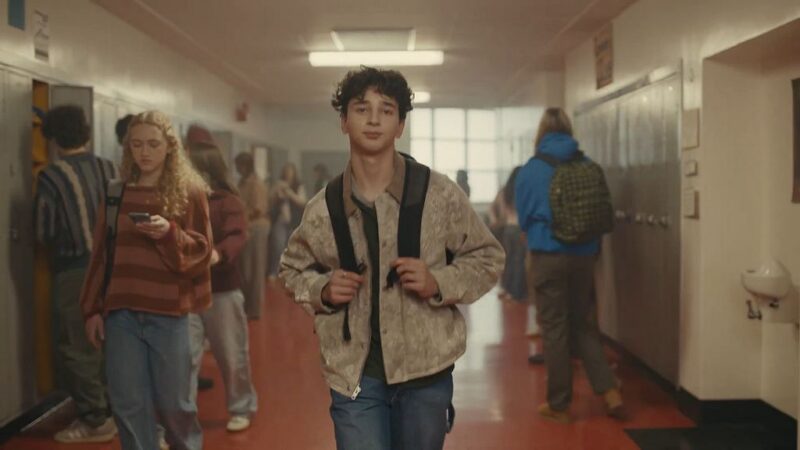
Screenshot/Blue Square Alliance
Still image from the Blue Square Alliance's commercial for the 2026 Superbowl.
The available technology allowed creators to do more than just gripe; they offered alternative realities and views. Instead of a half-day of backlash, creators without deep backgrounds in video production were able to respond immediately. While critics dismissed many of the AI-generated responses as “AI video slop,” they successfully capture a specific moment in time for the Jewish People. They reflect how we respond to antisemitism and the ongoing discomfort of being a Jew today.
The Feb. 3 timing of dropping the ad was especially unforgiving. The ad aired shortly after Bret Stephens’ well-received State of World Jewry address, which argued that the traditional methods of fighting antisemitism have proven ineffective. The ad serves as a stand-in for the approach that Stephens was critical of, with influencers and writers, including Shabbos Kestenbaum and Liel Leibovitz, unambiguously challenging Kraft’s strategy.
The backlash within the community, as expressed with generative AI video, has centered around four ideas, all of which reject the embrace of Jews as victims:
Building Jewish internal strength
This theme was captured in an email to the NCSY/JSU community, where Rabbi Micah Greenland, international director of NCSY, identified some of the objections to the commercial:
“Our students don’t experience antisemitism in 30-second segments. They experience it in TikTok comments, calling them ‘Zionazis’ or ‘Baby Killers.’ They arrive at school to see swastikas drawn on walls. They carry countless small moments that quietly weigh on them each day… we know the real work begins where the commercial ends.”
Jews helping the world
Philanthropist Daniel Lubetzky, the founder of Kind Snacks and the Builders Movement, put out his own alternate version that focused on the contributions of the student in the ad in the decades that followed, leading the bully to realize the err of his ways.
Power, deterrence and “FAFO”
The largest volume of Gen AI video responses falls into this category. These videos bring the satisfaction of the Nazi killing in “Inglourious Basterds,” even if they promote meeting hate with violence.
Attacking Jew hate at the source
These suggest that the place to counter Jew Hate is not in the school hallway, but by fighting antisemitism by exposing its Qatari funding and undermining the influence of media personalities
Kraft’s investment was not wasted. By missing the mark in the era of AI, he inadvertently sparked more online discussion within the Jewish community than any video in recent history. The availability of these tools allowed the community to talk back — not only with letters to the editor, but with their own vision of what Jewish strength looks like. It’s possible that we will look back at the Blue Square Alliance backlash as the moment that effective dissent within the Jewish community was democratized.
It’s also entirely reasonable that the reliance on AI tools to voice our objections is just another step toward outsourcing critical thinking and creativity. Time will tell, but for now, the community is better off for the Blue Square Alliance ad.