Opinion
ATTITUDE ADJUSTMENT
Fighting antisemitism takes courage — including the courage to look within




 Add EJP on Google
In Short
Reflects on lessons from a recent Jewish Federations of North America Young Leadership Cabinet retreat in Minneapolis and the Jewish community's approach to antisemitism
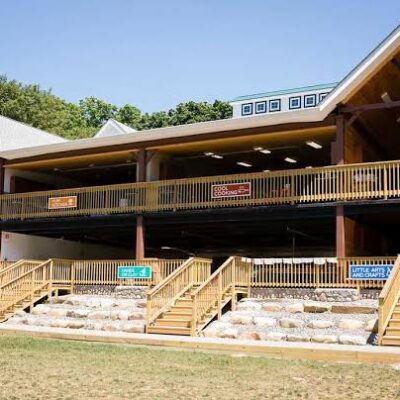
It’s been nearly 20 years since I last spent a summer at Camp Harlam, a picturesque Shangri-La of Jewish life in Pennsylvania’s Pocono Mountains (we even had pagodas). The camp’s full name, the Joseph and Betty Harlam Camp Institute for Living Judaism, reflected the camp’s program and purpose: for four- or eight-week sessions, American Jewish kids could live as Jews among Jews.
I remember distinctly one such summer at Harlam in 2000, the summer before ninth grade. The waning moments of an evening program in Kfar Noar, the “youth village,” were interrupted by the unexpected presence of the very old and sometimes menacing camp director, Arie Gluck, who materialized with what appeared to be… a smile?
“I’m here to tell you that Senator Joe Lieberman — a Jew! — was just selected by Vice President Al Gore to be his running mate in the upcoming election.”
The room erupted in applause. It wasn’t because these teenagers thought anything of Gluck’s or Gore’s political agenda (to my knowledge, there was also only one camper from Connecticut, Lieberman’s home state); the moment was entirely apolitical. Lieberman’s nomination was so historic, momentous and inspiring to us because it seemingly solidified our security. To be American and to be Jewish was, in a word, natural.
My own daughter just went to sleepaway camp for the first time this summer (at a Jewish camp in Wisconsin — sorry Harlamites), but even the Jewish community’s most idyllic experiences are taking place in a changed world.
We don’t need a review of the post-Oct. 7 stats or an inventory of all of the ways we disagree about the communal response. Honestly, it all could be mistaken for a Jackie Mason or Jerry Seinfeld routine at this point.
How about we start by saying a bracha, a blessing, instead.
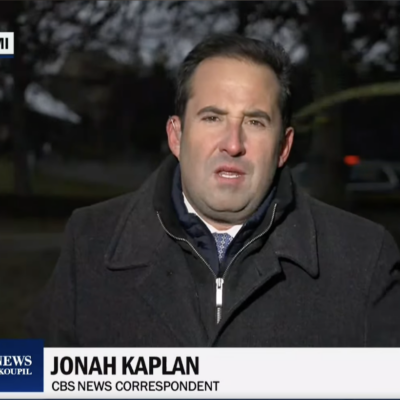
I was on the ground in West Bloomfield, Mich., reporting for CBS News just hours after the attack on Temple Israel, one of the largest synagogues in North America. I witnessed the horror, the fear and the grief; I felt it, too. But you know what else I saw? The more than 640 first responders from more than 40 local and state agencies who immediately responded. They came to save and protect American Jews, just as their colleagues did at Tree of Life synagogue in Pittsburgh in 2018. The night after the attack in Michigan, with Temple Israel’s sanctuary still smoldering, I closed my report on the “CBS Evening News” by sharing how those same first responders protected the more than 800 congregants as they attended Shabbat services at a country club across the street — a country club owned and operated by Iraqi-American Chaldean Christians.
Juxtapose that with Kristallnacht in November 1938, when police officers and firefighters stood by or even willfully participated in the firebombing and looting of synagogues and Jewish businesses.
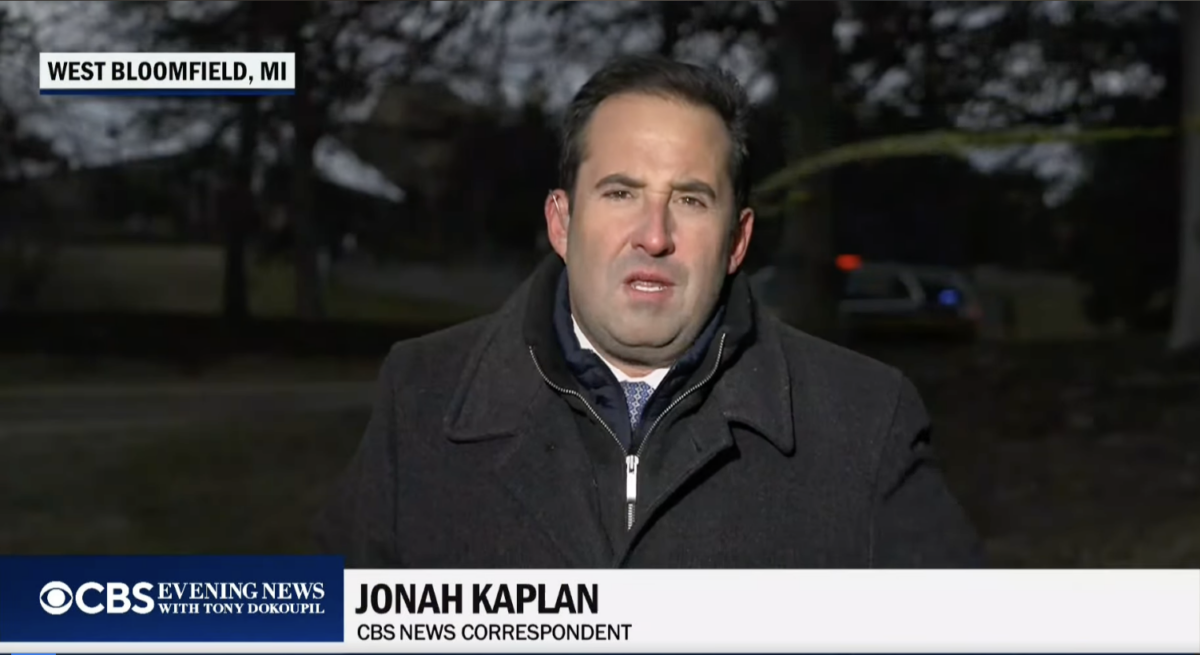
I’m not naïve nor numb to the threatening moments in our new American life, from city council resolutions to college campus campouts, the dog whistles online to the Hamas flags waving as demonstrators blocked traffic in front of Minneapolis’ Walker Art Center.
But we’ve also been here before.
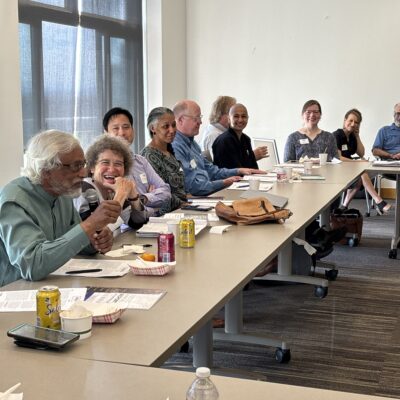
I learned that once again this past week at the 2026 Jewish Federations of North America Young Leadership Cabinet Retreat in Minneapolis. Eric Fingerhut, the former Congressman and current CEO of the Jewish Federations of North America, reminded the 300-plus attendees from across the U.S. and Canada that New York City’s Madison Square Garden played host to a sold-out Nazi rally decades before anyone ever shouted “From the River to the Sea” on a college campus or outside a synagogue. There were also immense fears among American Jews when advances in technology meant that Father Charles Coughlin’s antisemitic propaganda could be broadcast into every living room with a radio. Coughlin’s program on WJR Radio in Detroit reached national syndication without the aid of an iPhone or a guest appearance by Tucker Carlson.
Sharing these perspectives is not an attempt to invalidate or diminish a lost sense of security. On the contrary, perhaps it’s the wake-up call to change our thinking. After all, the Third Little Pig didn’t try to reason or argue with the Big Bad Wolf. He built the strongest home possible so that the Wolf recognized he wasn’t going anywhere. (And in this case, my sharing a story of a pig should be seen as totally kosher.)
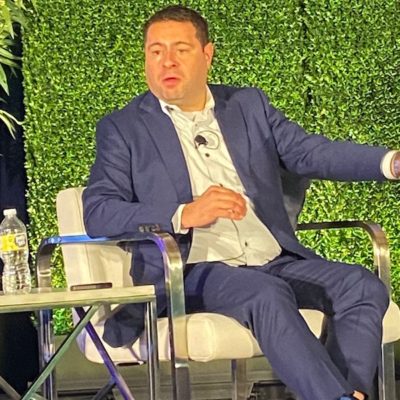
“Our strength has always come from what we build within,” Mark Wilf, the co-owner of the Minnesota Vikings and a Young Leadership Cabinet alum, told us at the retreat’s banquet. “Strong communities. Strong Jewish identity. Focus on what will strengthen us.”
As Rosh Hashanah approaches, I think a lot about the holy day’s other names, which include Yom HaDin, the Day of Judgment, and especially Yom HaZikaron, the Day of Remembrance. We ask God to remember us unto life, but we also look inward to remember our actions, our choices and our relationships, and what lessons from them may we apply in hopes of a better tomorrow.
I also think of about the retreat’s theme of ometz, courage, a quality that should not be measured in the volume of one voice versus another’s but must be found in a collective commitment to shore up our own foundations of Jewish literacy and Klal Yisrael, the unity of the Jewish people. This is what empowered the generations before us, and that — plus maybe a little humor — is what we need now to find light in the darkness.
Jonah Kaplan is an Emmy-winning correspondent and investigative journalist at CBS News.