Opinion
FROM STRENGTH TO STRENGTH
Finding light in the dark




 Add EJP on Google
A few years ago, my daughter introduced our family to a Thanksgiving tradition: asking everyone around the table to share what they were thankful for. At first, we scoffed — it felt awkward being put on the spot to say something meaningful — but over time I’ve come to appreciate the power of that moment. Looking for bright spots, especially when things feel heavy, is more than a ritual: it’s a lifeline.
If you’re plugged into the Jewish community today, things may feel a little dark. Many of us sense a growing polarization. Data from Jewish Federations of North America’s recent national survey confirms this: Jews are struggling to express their feelings about the war in Gaza, unsure whether their views will be welcomed in their local communities.
This discomfort deserves our attention — but the bright spots do as well. Despite our differences, Jews across the country remain deeply united in meaningful ways. Embracing what we share can help us as we work toward understanding what divides us.

Over the past two years, more than 35 Jewish communities of diverse size and geography have participated in a large-scale data initiative called the Impact Index. One component, the Flourishing Communities Pulse Survey, provides local communities with metrics of what makes a Jewish community thrive: strong engagement and education; feelings of belonging, safety, care and health; participation in civic life; and connection to Israel and global Jewry.
The findings from these studies reveal powerful commonalities:
- We love spending time with other Jews doing Jewish things. A full 76% say they have Jewish friends who are a regular part of their lives and that they feel especially comfortable in Jewish company (shout-out to my mah-jongg ladies!).
- A majority (58%) regularly or occasionally engage in Jewishly meaningful activities; for instance, 86% celebrate Jewish holidays, and 74% find learning about Jewish topics interesting.
- We turn to our community for support and grounding. Sixty-two percent say being Jewish helps anchor them during times of crisis — a sentiment that resonates deeply right now.
- While 86% express concern about antisemitism, most still feel safe in public spaces (73%) and within Jewish communal organizations (66%).
And while polarization often centers on Israel, the data shows we agree on more than we might expect:
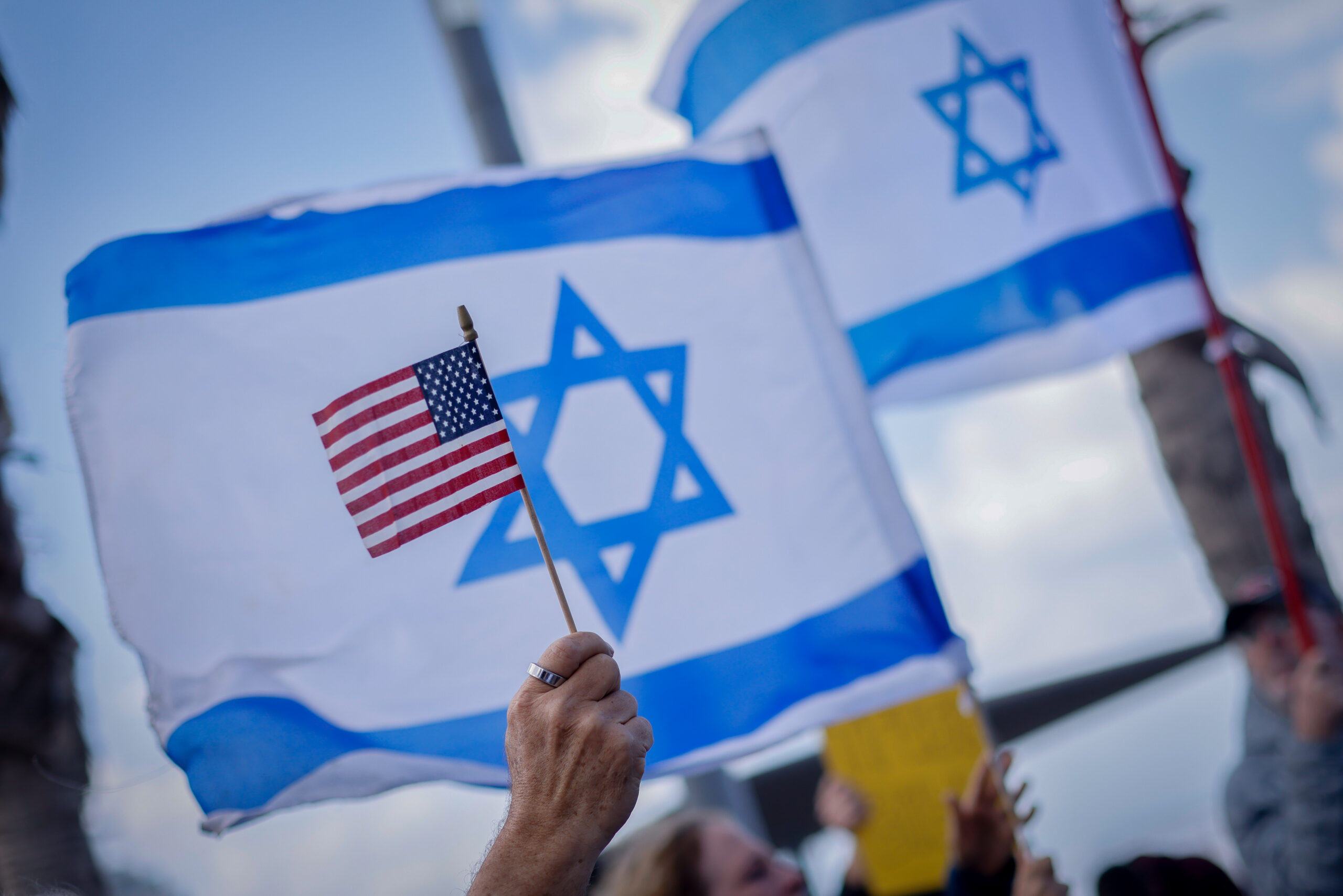
- 86% of respondents believe Israel should remain both a Jewish and democratic state.
- 79% are proud of Israel’s contributions to the world.
- 73% feel emotionally attached to Israel.
- 64% say Israel makes them proud to be Jewish.
- 73% feel a responsibility to care for Israel.
At the same time, 61% acknowledge that it can be difficult to support certain actions taken by the Israeli government; yet 67% still feel comfortable expressing support for Israel in public.
So where does the tension lie? Digging deeper, the challenge seems to be in a feeling that we are hopelessly divided, when in fact we have so much in common to draw from. This perceived divide leaves many feeling that if they voice discomfort, they won’t be welcomed. And yet, only 25% of Jews say they don’t want to be in community with those who disagree with them. That means 75% do. Community, it turns out, matters more than our disagreements.
Here’s the thing: many of us are feeling the daily weight of antisemitism. The horrors — on both sides — of a two-year war have left American Jews feeling heartbroken, confused and searching for answers that may take time to arrive. But we have strength and unity in so many areas of our lives.
In Judaism, we say: Chazak, chazak v’nitchazek — may we continue to go from strength to strength. That sentiment has never felt more urgent. Let us be thankful for our many strengths. In doing so, we’ll find the resilience to overcome what divides us.
Jessica Mehlman is the associate vice president of impact and planning at the Jewish Federations of North America.