IN MEMORIAM
Family of man killed in Jerusalem terror attack look to honor him by completing his final charity project: Commissioning a Torah scroll
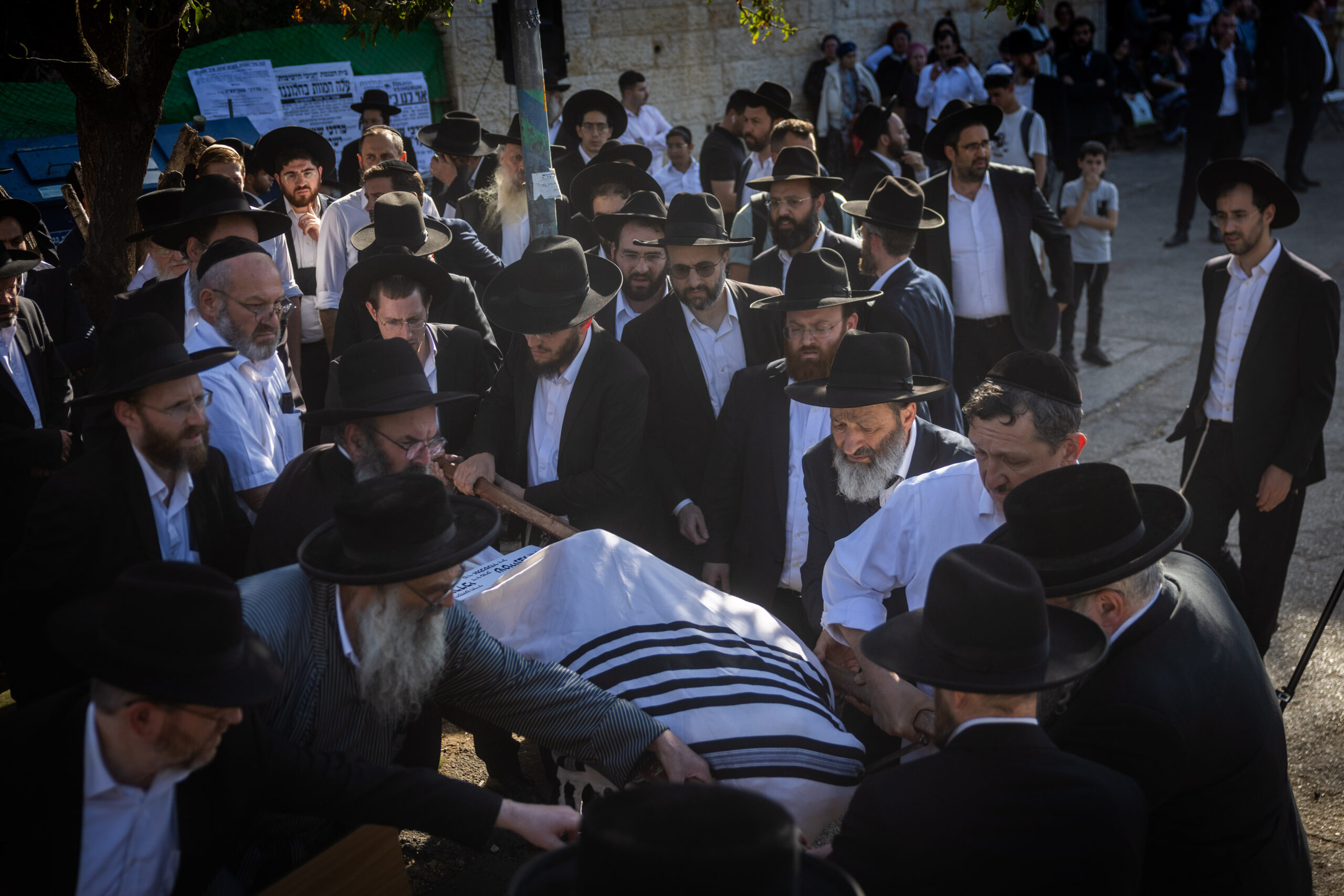
'At the funeral, I immediately understood that we had to finish his work,' says daughter of Rabbi Mordechai “Dr. Mark” Steintzag, a Soviet Union-born doctor-turned-baker-turned-rabbi
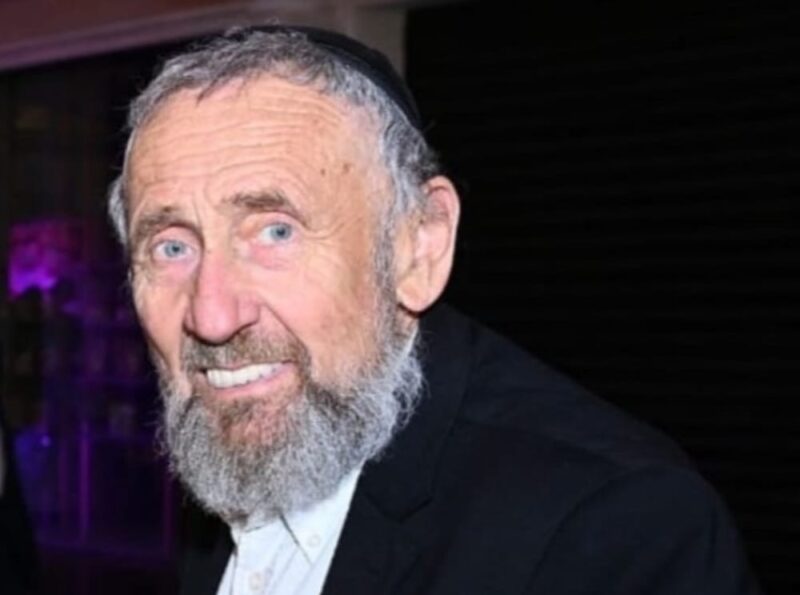
Courtesy
Rabbi Mordechai 'Dr. Mark' Steintzag.




 Add EJP on Google
As his multiple honorifics attest, Rabbi Mordechai “Dr. Mark” Steintzag lived an accomplished life, which was cut short last month at 79 when he and five other people were shot dead in a terror attack at a bus stop in Jerusalem’s Ramot neighborhood.
Born in Belarus, he trained as a cardiologist before immigrating to Israel after the fall of the Soviet Union, establishing a popular commercial bakery and eventually becoming a rabbi. But according to his family, he will be best remembered for his charity.
“We didn’t realize the extent of the chesed [charity] he did. We learned how he had touched dozens, probably hundreds of people he helped, and everything was done with modesty, without any fanfare,” Steintzag’s grandson, Ophir Ospovat, told eJewishPhilanthropy. “The number of people who came to the shiva filled the apartment, they filled the stairwell and they were waiting in the courtyard by the building.”
Now, Ospovat and his mother, Tanya, are looking to honor Steintzag by completing the final charitable project that he started two weeks before his death: having a new Torah scroll written for his synagogue in Ramot.
“At the funeral, I immediately understood that we had to finish his work,” Tanya Ospovat told eJP.
Two weeks before the Ramot terror attack, Steintzag commissioned his third Torah scroll for his local synagogue, Hanichei HaYeshivot, continuing a two-decade tradition of Torah donations that his family said exemplified his quiet but profound approach to Jewish philanthropy.
The Ospovats said they are determined to complete what Steintzag started — not just the Torah scroll itself, but spreading his legacy of action, community building and charitable giving without fanfare.
Born in Minsk, Belarus, in the former Soviet Union, Steintzag studied medicine and graduated with a dual specialty in cardiology and rehabilitative medicine. Despite pervasive antisemitism in the USSR, he rose to high-ranking positions in the country’s medical institutions, even hosting a television program on healthy living, said Tanya Ospovat, who lives in the Boston area.
Steintzag, known in Israel as “Dr. Mark,” immigrated to Israel in 1993 and worked for a short time at Jerusalem’s Hadassah Hospital. But believing that medicine was too limiting, Steintzag launched what would become a famous healthy bread bakery, believing that people should eat healthy food in order to live better. As a financially struggling new immigrant, he personally marketed samples to local grocery stores on his bicycle. He began by baking healthy breads in his home kitchen, distributing them around his neighborhood by bicycle before demand grew enough to open Dr. Mark’s Bakery, which has been operating for more than 30 years, producing preservative-free, whole-grain breads and baked goods, including spelt and sourdough loaves.
In his death notice, Steintzag’s employees describe him as “beloved, appreciated and inspiring,” who believed that bread was more than food but was “a symbol of warmth, home, belonging and charity.”
During the shiva, Ophir Ospovat said that dozens of people shared stories that revealed the scope of Steintzag’s philanthropy — lending large loans to help families marry off children, dispensing medical consultations for those with health problems and regularly hosting young people who had nowhere to go for Shabbat and holiday meals.
Having grown in religious observance over two decades in Israel, Steintzag made another dramatic life change in 2011: He sold his thriving business to dedicate himself to full-time Torah study.
His approach to philanthropy reflected both his medical background and his understanding of community needs, his family said. Just as he had focused on prevention rather than treatment, his philanthropy aimed to strengthen the foundations of Jewish life rather than simply address crises.
One of his greatest passions was supporting Torah study. Twenty years ago, he personally commissioned a Torah scroll for a Russian-speaking synagogue in the Betar Illit settlement in the West Bank. In 2019, he donated another commissioned Torah to a synagogue in Ramot, the largely Haredi neighborhood where he lived.
The third Torah commission was meant to help the fledgling community as it expanded. His intention was to also contribute to a new building for the synagogue, in addition to funding the Torah. “My mother took on this project to complete this Sefer Torah that he started, in his memory,” Ophir said.The family’s goal is to raise money for the third Sefer Torah, which will cover the completion of the scroll, its necessary coverings and expenses for the dedication celebration. Any excess funds will support his widow and help with funeral expenses.
Related News
MAGICAL EXPERIENCE
Shefa launches psychedelics retreat for Jewish professionals suffering burnout

MAJOR GIFTS
Center for Jewish History celebrates 25 years with a $25M matching grant
PRESIDENTIAL REBUKE
Israel’s Herzog: Mamdani ‘makes no effort’ to hide disdain for Israel, Jews must fight back
EXCLUSIVE
Detroit-based philanthropists Nancy, James Grosfeld donate $8M to renovate JDC’s Israel campus
HIGHER EDUCATION
As Jewish donors reconsider academia, Jan Koum doubles down, endowing Israel studies at Stanford