Opinion
CONSIDER THIS
Don’t cancel the ritual: The case for annual galas




 Add EJP on Google
In Short
Net revenue is the wrong way to measure what these events are actually worth.
For 10 years without fail, while we still lived in the United States and our kids were young, my family made the same trip: Every summer, we would drive up to Story Land and the North Conway area of New Hampshire. Each time, we did more or less the same things we did the year before. The same rides. The same hikes. The same ice cream stop. The shape of the trip never changed. My kids could practically recite the itinerary before we packed the car.
I used to think the sameness was the weak point of the trip, the thing that would eventually make it boring, but I was wrong. The sameness was the entire point. Because we did it every year, in more or less the same way, it became something my kids could count on. It wasn’t just a vacation; it was a ritual. Rituals build some of the deepest memories a family has, because predictability lets people relax into the experience and actually be present. Nobody is wondering what’s going to happen because they already know, and that knowing is what makes room for connection.
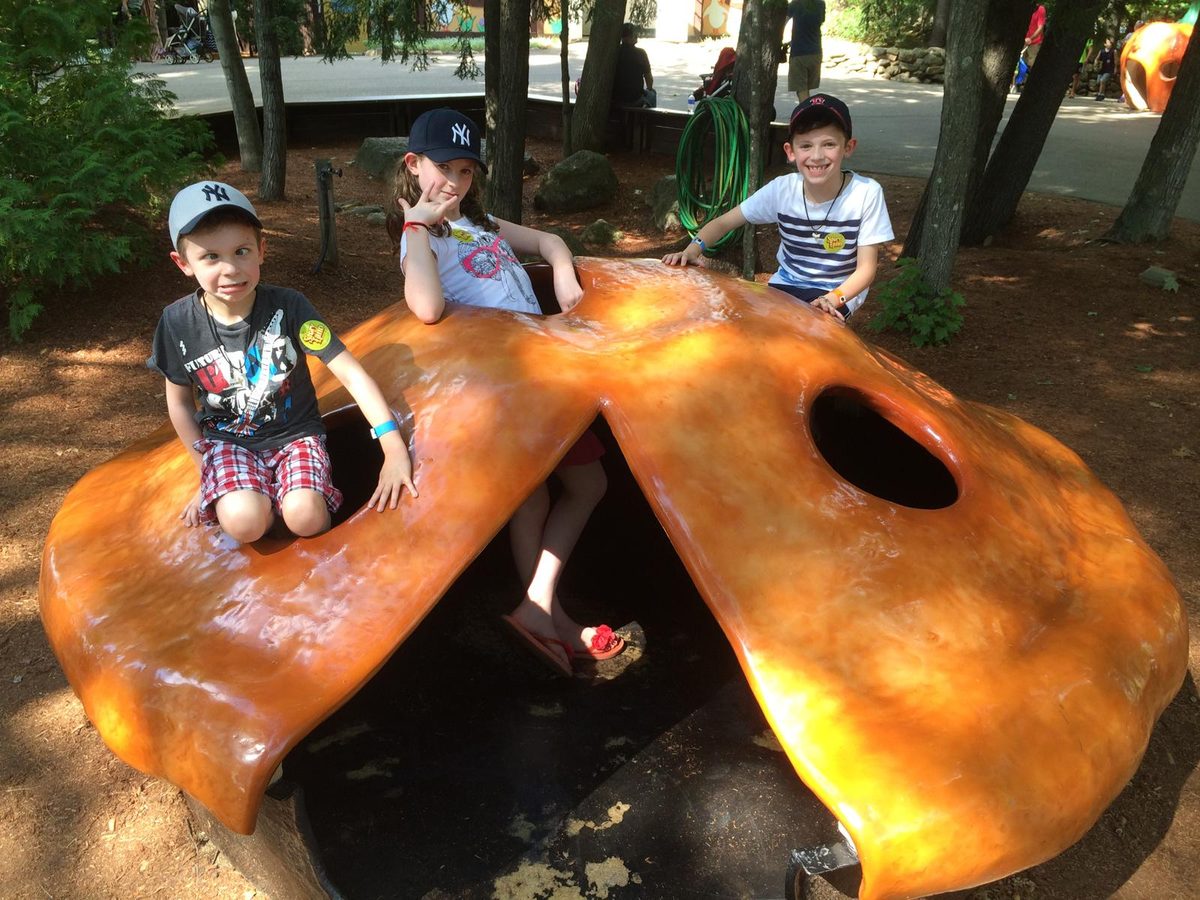
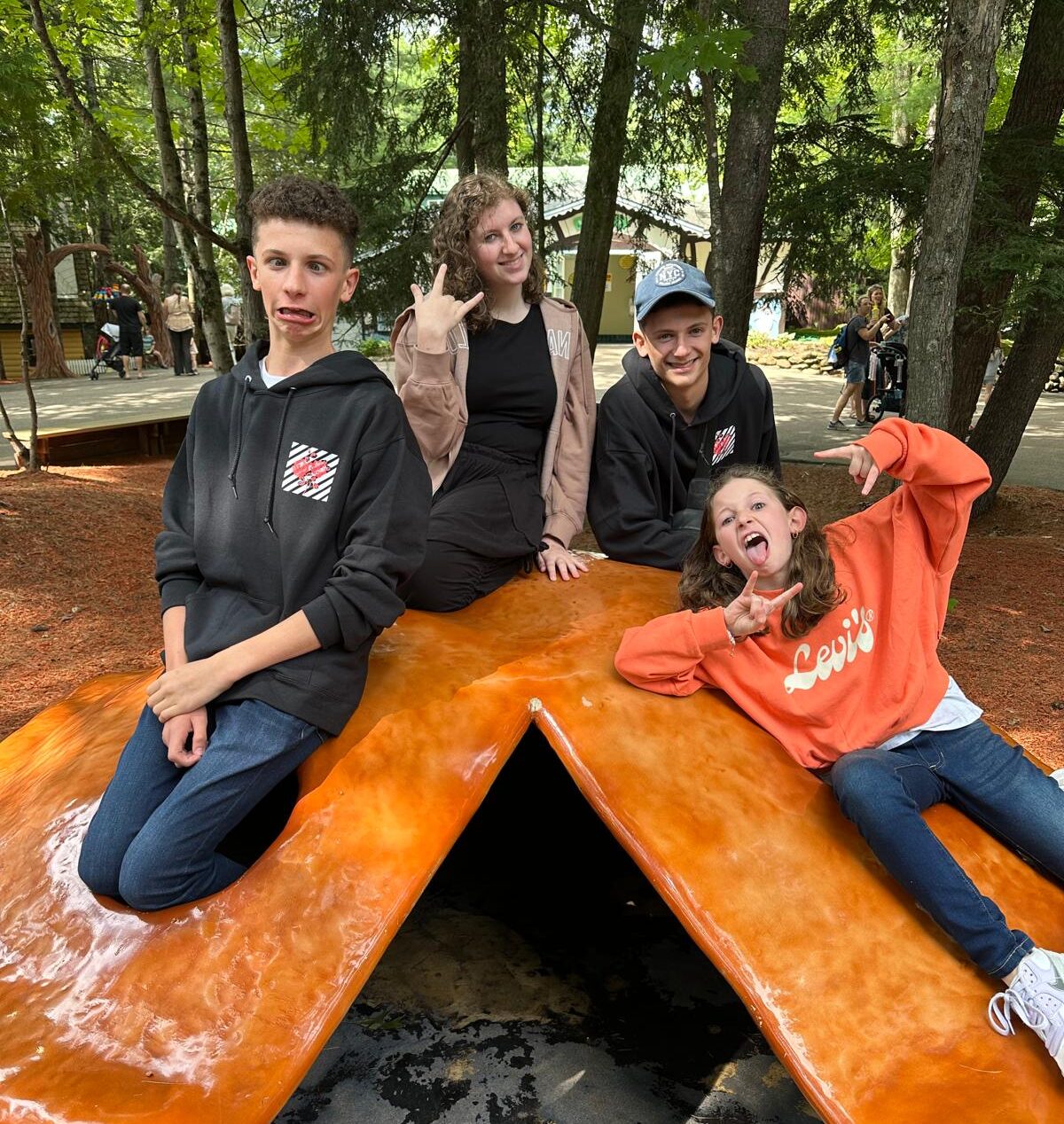
We live in Israel now, and Story Land has become a memory. But the ritual didn’t disappear — it just moved.
Now every year, at the end of the summer, we take our family to Eilat in southern Israel. It’s a different country, and the kids are in a different stage of childhood, but the underlying idea remains the same. We are forging a new set of core memories the exact same way we forged the old ones: by showing up together, in a familiar shape, year after year.
I’ve been thinking about that trip a lot lately in the context of something that has nothing to do with amusement parks: the annual dinner.
For years, many organizations have downgraded the annual dinner from a communal ritual to a fundraising tactic. And especially since the COVID-19 pandemic, when so many organizations discovered they could raise real money through online campaigns without ever filling a ballroom, the temptation to cut the dinner altogether has only grown. On a spreadsheet, that decision often looks smart. Dinners are expensive to produce. The net revenue, once you subtract the venue, the catering, the journal production and the staff hours, can look thin next to a well-run digital campaign.
But that’s the wrong way to measure what an annual dinner is actually worth.
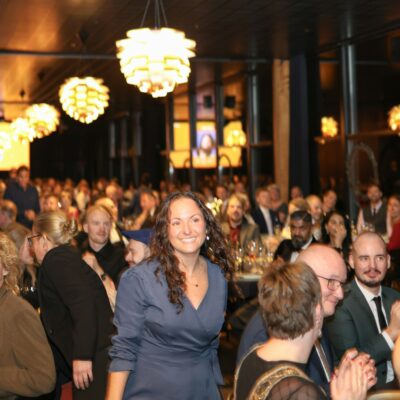
An annual dinner, done right, is not primarily a fundraising event. It’s a ritual, just like my family’s trip to Story Land. It’s the one night a year when your donors, your lay leaders, your professional staff, your beneficiaries and your partners are all in the same room at the same time, having the same experience together. They know what to expect: There will be a program. There will be honorees. There will be a moment where the organization tells its community what it accomplished this year, and a moment where it casts a vision for what’s next. That predictability isn’t a flaw. It’s what makes the evening familiar enough for people to actually feel something, rather than just process information.
Think about what a good annual dinner actually does that no email or online giving page can replicate. It’s a state of the union. It’s the one moment each year when your community gets to see, in real time and in person, the full sweep of what the organization stands for and who stands behind it. It’s a chance to publicly honor the people whose leadership deserves to be seen and celebrated, which does something a thank-you note never can: it shows the entire room what leadership looks like, and implicitly invites the next generation of leaders to imagine themselves in that role. It’s a chance for a first-time attendee to sit at a table, watch the honoree be honored, and think, I want to be part of this.
None of that shows up as a line item on a profit and loss statement, but it is arguably more valuable to the long-term health of your organization than the net revenue the dinner generates in any single year. A donor who has been to your dinner five years running has a relationship with your mission that a donor who has only ever clicked a giving link simply does not have. They have memories. They remember who spoke, who was honored, who they sat next to, what the room felt like, the year the organization announced it had hit its capital campaign goal. Those memories are the emotional infrastructure that major gifts, planned gifts and multi-generational giving are actually built on. You cannot email your way into that kind of attachment.
This is not an argument against digital fundraising, and it’s not an argument that every organization needs a black-tie gala with a live auction. Plenty of dinners are bloated, overproduced and could be run leaner without losing any of their power. Our trip to Story Land was never a trip to Orlando — it was never thousands of dollars, a week at the theme parks, the big production version of a family vacation. It didn’t need to be, because the size of the production was never what made it matter. The same is true for your dinner. It doesn’t need to be the biggest ballroom in town or the most expensive journal your organization has ever printed. The size of the check and the size of the room are not what make the ritual work. What makes it work is the same thing that makes my family’s trips to Story Land work: showing up, together, in a familiar shape, year after year, so that the people who care about you can count on it and build a piece of their own story around it.
If your organization is weighing whether to keep the annual dinner alive, I’d ask you to measure it by more than what it nets. Ask what your community would lose if that one predictable night, the night they know is coming, the night where they get to see the mission made visible and the leadership made real, simply stopped happening. Some of the most important things an organization does for its community can’t be captured in a fundraising report. They show up years later, in the form of a donor who never left, a leader who stepped up because they watched someone else get honored first, or a family that has quietly come to think of your dinner as part of their own calendar, the way mine once thought of a trip to New Hampshire or Eilat.
Keep the ritual. The math will follow.
Jonah Halper is the founder of Altruicity and the author of Magnetic Mission: A Fundraiser’s Guide to Finding Donors Who Share Your True North.