Opinion
BALANCING ACT
The work no one sees: The paradox of caring for Israel’s double orphans




 Add EJP on Google
In the aftermath of the Oct. 7 massacre, Israel was confronted with a scale of loss that massively shifted thousands of lives. Nuclear families were upended by the deaths of mothers, fathers, sons and daughters, each a devastating loss. At the center of this group are those most vulnerable: children who lost both parents to the terror of that dark day.
Adding to the heartbreak is a new destabilizing reality. Many of these children were uprooted from their homes or separated from their communities, all familiarity gone from their lives. Nearly all of them are navigating an “after” that is not just a chapter in their lives: It has become the very architecture of their childhood.
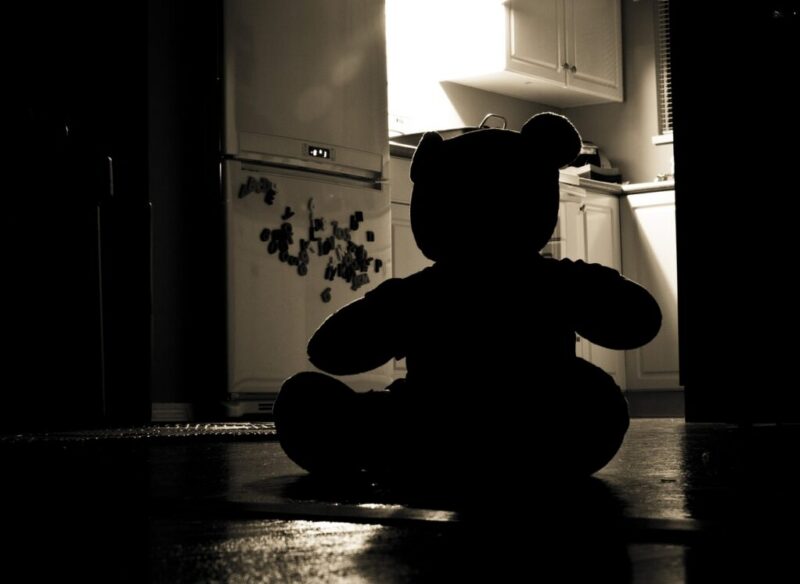
Image by thisguyhere from Pixabay
The care these children require is unusually intense. A single intervention, a few therapy sessions or one supportive program aren’t enough. This support they need is long-term, high-touch, vigilant and holistic: emotional, practical, educational and social, all woven into that child’s life for years to come.
This is the kind of specialized, critical work that requires tremendous support and has real impact. And yet, with these cases, we must do the opposite. The work we do with these orphans is largely cloaked in secrecy.
A model built on confidentiality
The conventional path for most of OneFamily’s work is clear. Like most nonprofits, we tell the story, describe a need, and demonstrate the impact of funds we raise. Yet our work with these orphans is guided by a different assumption: extreme privacy.
This ethical line is nonnegotiable. Professional confidentiality in these cases takes priority over everything.
This creates a huge organizational challenge. As advocates providing support for victims in Israel and internationally, our impulse is to publicize, create awareness, and raise sensitivity. We cannot do that in telling the stories of these children – it cuts against the very thing they need most: control over their own inner world. If one interview or video is posted online, it stays forever. By protecting them from the media, we are not hiding anything. We are preserving their inner space.
This is the paradox at the heart of our most intensive care: the more vulnerable the child, and the more delicate the rehabilitation, the less “shareable” the work becomes.
The group itself is small compared to others in our care, roughly two dozen minors under age 18 who lost both parents on or since October 7, yet the level of support required is massive. These children are not simply grieving. In many cases, they have lost the entire scaffolding that holds a child’s life together: parents, home, routine, sometimes even the social ecosystem that made daily life feel coherent.
Sadly, we have learned through nearly 25 years of experience with young orphans of both parents that orphanhood is not only a life event of loss. It is an ongoing existential state that shows up everywhere: in school, in friendships, in the body, in sleep, in how a child reacts to sudden sounds or unexpected questions. For the adults around them — extended family, foster arrangements, schools, therapists, community supports — every day can become a negotiation between functioning and collapse.
That kind of reality does not lend itself to neat success stories. And it absolutely does not lend itself to a camera.
When ‘the elevator stops’
Trauma, especially in children, is often misread. People imagine breakdowns as dramatic moments of tears. But one of the most common responses is freezing; a sudden shutdown that can come without warning, triggered by a memory, a noise, a date on the calendar, or nothing identifiable at all.
It is as though an elevator has stopped between floors. When that happens, you sit next to them. You don’t move; you stay and talk them through it, waiting with them until the elevator moves again. That patience is the work. So is the steadiness. As is the willingness to be present without demanding the child explain themselves, without forcing them to “process,” without turning their pain into something observable and legible to outsiders.
It is also the reason our involvement can’t be a short-term project. A child who has lost both parents may need an advocate for years, someone who understands how school assignments can become emotional traps, how commemorative ceremonies can retraumatize, how public recognition in a supermarket can suddenly make a child feel exposed and unsafe. The help is often quiet, practical, and immediate: intervening with a teacher, adjusting expectations, creating alternatives that allow a child to participate without being crushed by what “normal” assumes.
We cannot fundraise through these children’s stories because exposure itself can be harmful. Media, especially uncontrolled footage and repeated public discussion, can deepen the imprint of trauma. Children may encounter images and narratives they were never meant to absorb, and those images can become part of their internal landscape. Even well-meaning attention can be destabilizing. It turns a child into an emblem. It invites strangers to react emotionally. It reinforces the child’s sense that they are permanently different, permanently “the tragedy.”
Furthermore, it is our responsibility and duty to respect their privacy for the sake of their future selves as well. Media exposure today will remain as a digital footprint, and they cannot yet understand what their adult selves will want in terms of privacy. It is our hope that each one will thrive and succeed, and as adults, decide whether and how to tell their story. We don’t want that decision to be made for them.
Our approach is to protect the child’s right to be a child, including the right to be unremarkable – not “the orphan.” The goal is not to erase grief. It is to prevent grief from becoming the child’s entire identity.
The people on our team who work closest with these special families are cautious for a reason. Their reluctance is not defensive; it is protective. Their only concern is the child’s safety and trust.
And yet, as founders running the organization, we feel it is critical that the public understand a bit of what’s happening behind the scenes. Rather than knowing the children’s identities, it is knowing that someone is always standing beside them – consistently, professionally, and for the long haul.
OneFamily tries to be that steady presence for the rest of their lives, even if it must remain a well-kept secret.
This is not a romantic notion of secrecy. It is a disciplined choice: to accept that the truest measure of impact will not be visible, and may never be reportable. It is worth having that cloak of silence if it helps just one orphan move toward a stable, thriving, healthy life. And if it preserves enough inner safety for a child to laugh freely again, to trust again, to grow into adulthood, without being trapped forever in public grief.
This may be the most counterintuitive message in nonprofit organizational work: Sometimes restraint is the highest form of care. While we hold them, remain with them, care for them, we are also keeping our work quiet.
It is a tremendous organizational challenge, one we know builds and instills the trust of those in our care. Along with that comes the trust of our board and donors that sometimes having real impact means refraining from bringing it to light.
Chantal Belzberg is the founding director of OneFamily, Israel’s national organization supporting victims of terror and bereavement through long-term, individualized care and community-based healing.