Opinion
TRAUMA RESPONSE
After the gunshots fade, hate keeps taking its toll




 Add EJP on Google
In Short
Communities need immediate access to crisis intervention, counseling and trauma-informed care.
In recent weeks, antisemitism has surged with alarming visibility across the United States and around the world. Jewish communities are facing vandalized synagogues, public intimidation, online incitement and violent attacks that no longer feel isolated or sporadic. What once simmered beneath the surface has become increasingly normalized, emboldening those who traffic in hate and conspiracy.
The consequences of this escalation are painfully real. In New York, Jewish families are weighing whether it is safe to gather publicly. Abroad, that fear turned to horror when a Hanukkah celebration in Bondi Beach was targeted in a brutal act of terror. These events are connected not by geography, but by an environment that allows antisemitic rhetoric to spread unchecked and, too often, to turn deadly.

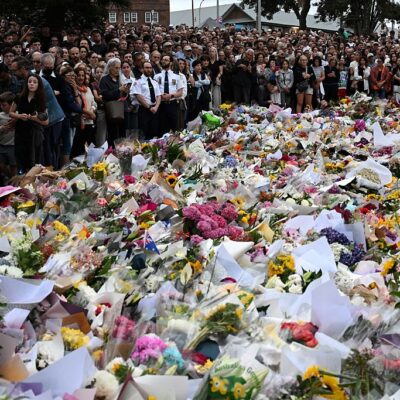
Saeed Kahn/AFP via Getty Images
Members of the Jewish community mourn the victims of a shooting at Bondi Beach, during a vigil at the Chabad of Bondi in Sydney on Dec. 15, 2025.
As the CEO of Chai Lifeline, which operates the largest crisis response team in the Jewish community, I have seen firsthand how moments like these reverberate far beyond the immediate scene.
In the hours after the Bondi Beach attack, our crisis professionals responded to hundreds of calls from witnesses, terrified parents, educators and families worldwide. While most callers had not been physically harmed, they were in acute distress. They described panic, confusion and the inability to calm their children or themselves. Some had been present at the scene. Others were parents thousands of miles away watching the news unfold in real time, struggling to explain to their children why a Jewish celebration had become a target.
Educators and school leaders sought urgent guidance on whether to open schools, how to speak with students of different ages and how to recognize when fear was turning into trauma. For families already carrying generational wounds, including children of Holocaust survivors, the psychological impact was immediate and profound. These moments reveal a truth often overlooked in public conversations about terrorism. The harm does not end when the violence stops. It spreads through fear, trauma and continuing uncertainty.
Antisemitism today is being fueled by forces that demand urgent attention. Online platforms amplify antisemitic conspiracy theories at unprecedented speed, presenting them as insight rather than hate. These narratives falsely cast Jews as manipulators of global events, economics and politics. What is especially alarming is how deeply these ideas are taking hold among young people. A recent analysis in The Atlantic found that a significant number of Americans under 22 agreed with at least one antisemitic statement, often shaped by social media ecosystems that reward outrage and distortion over truth. This is not accidental. Algorithms push vulnerable users toward increasingly extreme content, normalizing hatred under the guise of activism or skepticism.
In New York City, where I live, the consequences are visible. Menorahs are vandalized. Jewish students feel unsafe on campuses. Families hesitate before attending public celebrations. For Holocaust survivors and their children, these events trigger profound psychological distress. We are hearing from people whose trauma has been reawakened by what they see unfolding around them.
Antisemitism is not just a Jewish problem. It is a societal failure. When hatred is tolerated, minimized or rationalized, it grows bolder. The FBI and civil rights organizations report that antisemitic hate crimes have reached record levels in the United States, but the reality is that these numbers reflect only a fraction of the damage. The emotional toll on children, families and communities is immeasurable.
Action must follow awareness. Governments, educators and technology companies must confront the spread of antisemitic propaganda online. Schools need resources to teach media literacy and historical truth. Law enforcement must treat antisemitic threats with seriousness and urgency.
We must also recognize the essential role of mental health support. Acts of terror and hate leave deep psychological scars that are often invisible but no less damaging than physical injuries. Anxiety, sleep disruption, hypervigilance and withdrawal are common responses, particularly among children and adolescents whose sense of safety is still forming.
Communities need immediate access to crisis intervention, counseling and trauma-informed care that respects cultural and religious context. Delayed or inadequate support allows fear to harden into long term trauma, affecting academic performance, family stability and communal life. Mental health response should not be viewed as optional or secondary to security measures. It is a core component of resilience.
When communities invest in early intervention, they reduce long-term harm and help individuals regain a sense of control and stability. Ignoring this need risks allowing acts of hate to achieve their intended goal, which is to not only to harm bodies but to fracture spirits and silence public Jewish life.
Hanukkah teaches that light does not appear on its own. It is created deliberately, candle by candle. In times of darkness, choosing light requires courage, responsibility and collective effort.
This moment demands that we stand together, reject hatred in all its forms and ensure that fear does not become the new normal. If we fail to act now, we risk allowing intolerance to harden into something far more dangerous.
Rabbi Simcha Scholar is the CEO of Chai Lifeline.